
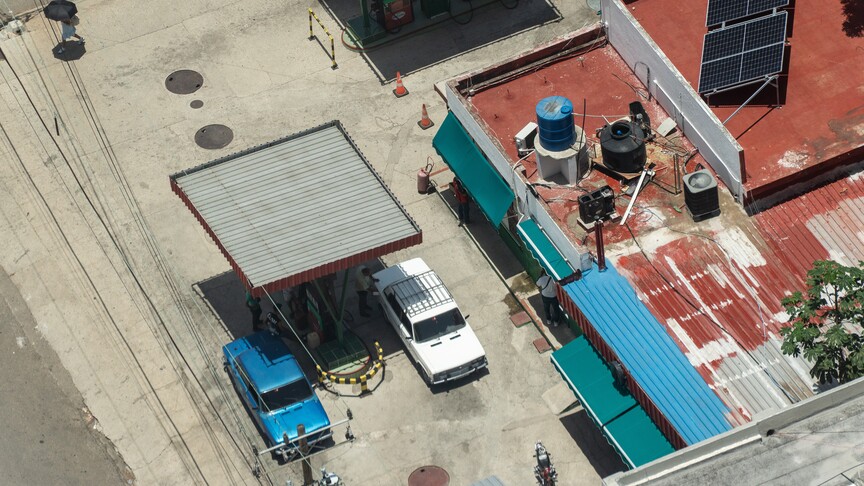
A significant fuel crisis is currently gripping the Iraqi Kurdish Region, leaving motorists stranded for hours at gas stations. The turmoil can be traced back to a series of Iranian attacks that have disrupted energy supplies and exacerbated daily life in cities like Erbil, Sulaymaniyah, and Duhok.
Impact of Iranian Attacks on Fuel Supplies
This gasoline emergency follows a wave of power outages and a shortage of bottled cooking gas, which emerged amidst escalating tensions between the US and Iran. Drone and missile strikes on Erbil and Sulaymaniyah have compelled regional energy firms to halt operations. The disruption has not just impacted gasoline; it has also resulted in the suspension of natural gas supplies to power plants, leading to widespread electricity outages. Residents in the Kurdish region, who were accustomed to consistent electricity, now experience power for merely five to six hours each day.
With soaring summer temperatures, many have resorted to using generators that were previously restricted due to environmental regulations. The shortage has also led to a rise in demand for bottled gas, prompting long queues outside distribution points. Prices in the open market have skyrocketed, with cylinders now selling for between 25,000 and 30,000 Iraqi dinars, up from a previous range of 12,000 to 15,000 dinars.
Price Surge and Government Response
The gasoline crisis has drastically affected daily life in the region. For context, prior to the attacks, premium gasoline was priced at 1,550 Iraqi dinars per liter but has spiked to as high as 1,900 dinars. Similarly, mid-grade gasoline climbed from 1,250 to 1,600 dinars, and regular gasoline leaped from 850 to 1,400 dinars. In response, the Kurdish Regional Government (KRG) instituted fixed prices, setting premium gasoline at 1,200 dinars per liter and regular at 850 dinars. However, this effort has only aggravated the crisis, as fuel stations have opted to withhold sales, citing depleted supplies.
As a result, vehicles have lined up for many hours at the few stations still operating. Some frantic drivers have even begun camping overnight to secure the much-needed fuel. The KRG’s price controls have inadvertently deepened the shortages, creating a frustrating cycle for consumers.
Expert Insights on the Fuel Crisis
Energy expert Rebin Samet remarked that the conflict between the US and Iran is to blame for this fuel supply crisis in Iraq. According to Samet, the conflict has obstructed the importation of essential materials required for gasoline production, which has been further exacerbated by the cessation of production from oil companies in the region.
The absence of government-owned refineries in the Kurdish area has left officials unable to effectively regulate fuel prices or meet local demand through their own channels. Political infighting among local parties has compounded the issue, making it challenging for any solution to be reached. To alleviate the impact of the ongoing crisis, Samet suggests waiving import duties on chemicals necessary for gasoline production and reducing taxes on filling stations. The ever-increasing number of vehicles in the region adds an additional layer of strain to the already dwindling fuel supplies.
Future Trends in Fuel Prices
Cengi Mecid, head of the Erbil Gas Station Union, highlighted that the supply issues are becoming more acute as tensions persist. The city of Erbil requires approximately 2.2 million liters of gasoline daily; however, only about 1 million liters of subsidized fuel is currently available. Commercial deliveries of fuel have also plummeted due to the ongoing crisis, leading to a substitution in consumer behavior.
Drivers have increasingly turned to subsidized gasoline, which is priced at 750 Iraqi dinars per liter, now available at more filling stations than before. Despite the challenges, Mecid noted that the easing demand for premium gasoline might indicate stabilization in the market. With these shifts, there is cautious optimism that fuel prices may decline soon, offering some relief to the beleaguered residents of the Kurdish Region.