
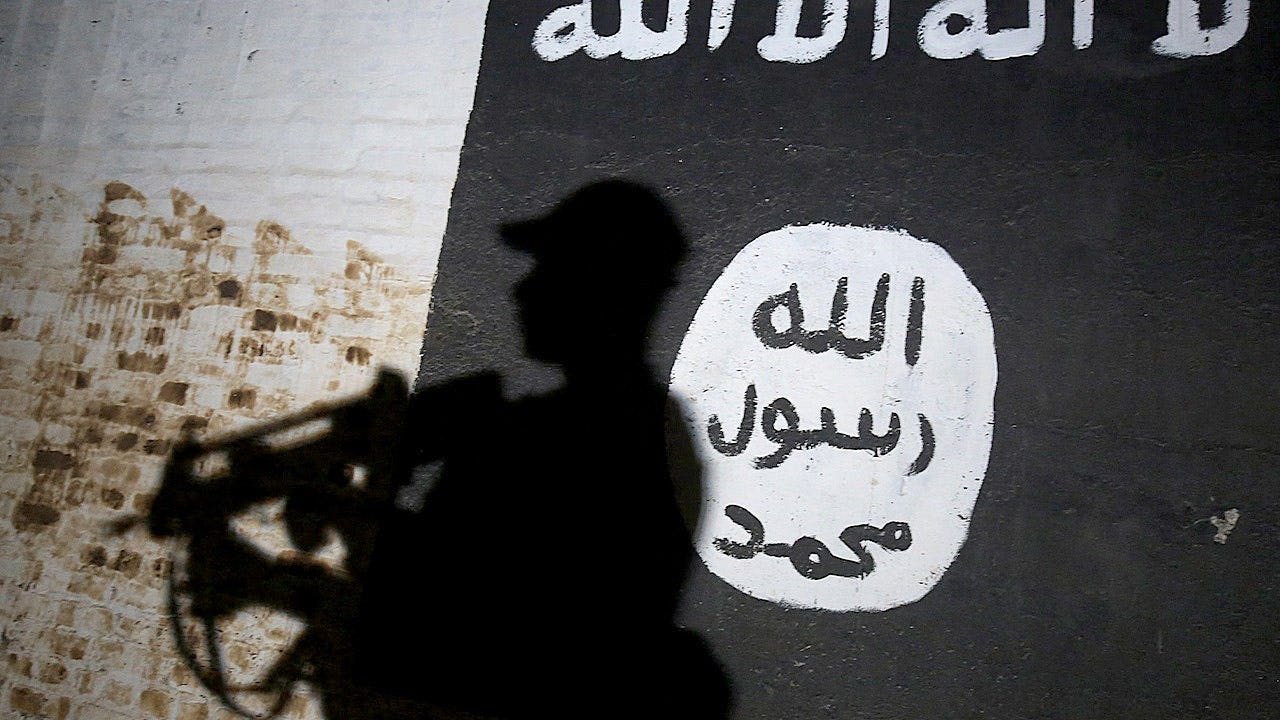
The ongoing withdrawal of U.S. troops from Iraq has raised alarms about the potential resurgence of the Islamic State (IS). Experts warn that the terror group may exploit the impending security vacuum, particularly given the challenges the Iraqi government faces in controlling Iranian-backed militias. As Iraq navigates this turbulent period, the implications for regional stability and security are significant.
The Looming Threat of ISIS
With U.S. forces slated to depart by September 30, counterterrorism expert Dr. Omar Mohammed stresses that ISIS is strategically positioned to exploit any gaps left behind. Mohammed notes that the dynamics in Iraq today echo those seen before the fall of Mosul in 2014. He explains that the militias often use the ISIS threat to justify their arms, while ISIS actively recruits disillusioned individuals affected by the actions of these same militias. This cycle of violence and resentment only serves to empower both entities, creating a complex interdependency in a landscape already precarious.
The historical context underscores the severity of the issue. In 2014, when ISIS seized control of Mosul after a swift and calculated campaign, Iraqi security forces disbanded, facilitating the group’s takeover. Through a combination of intimidation, extortion, and stealth, ISIS infiltrated the region and built a formidable network that ultimately led to the establishment of its so-called caliphate. Local engagements and intelligence, such as those documented by Mohammed through his “Mosul Eye” blog, played a crucial role in revealing the dire conditions under ISIS rule.
The Role of Iranian Influence
As the landscape shifts, Iran’s influence within Iraq remains a concern. The Popular Mobilization Forces (PMF), an umbrella group that operates alongside Iraq’s security forces, continues to receive significant funding, including billions from the Iraqi government. This force comprises factions with close ties to Iran that operate autonomously, often exacerbating tensions in the region. According to Mohammed, this situation complicates Iraq’s efforts to establish a cohesive security strategy as it tries to rein in these armed factions.
Iranian officials have condemned the impending U.S. troop withdrawal, expressing fears that a stable and well-armed Iraq could undermine their interests. Mohammed emphasizes that the Iranian regime’s main fear isn’t necessarily the resurgence of ISIS, but rather becoming irrelevant in a post-U.S. withdrawal Iraq. A scenario where Iraq effectively disarms militias and maintains control could limit Iran’s ability to exert influence in the region, a situation Tehran deeply fears.
The Future Landscape
As the deadline approaches, the question of how Iraq will manage internal security hangs in the balance. The dual pressures of withdrawing U.S. troops and domestic disarmament initiatives will be pivotal. With armed factions and ISIS closely linked, their interdependence poses a distinct challenge to stability. The upcoming months could mark a critical juncture for Iraq, as the nation strives to balance security needs amidst external and internal pressures.
In conclusion, the upcoming U.S. withdrawal from Iraq may create conditions ripe for a resurgence of ISIS and may also influence Iran’s strategic calculations. Stakeholders must remain vigilant as the situation unfolds, as history has shown that ignoring early warning signs can result in devastating consequences. The defining dynamics of the region will be shaped not only by local actions but also by broader geopolitical currents that extend beyond Iraq’s borders. The complexities of these relationships will likely define the security landscape for years to come.