
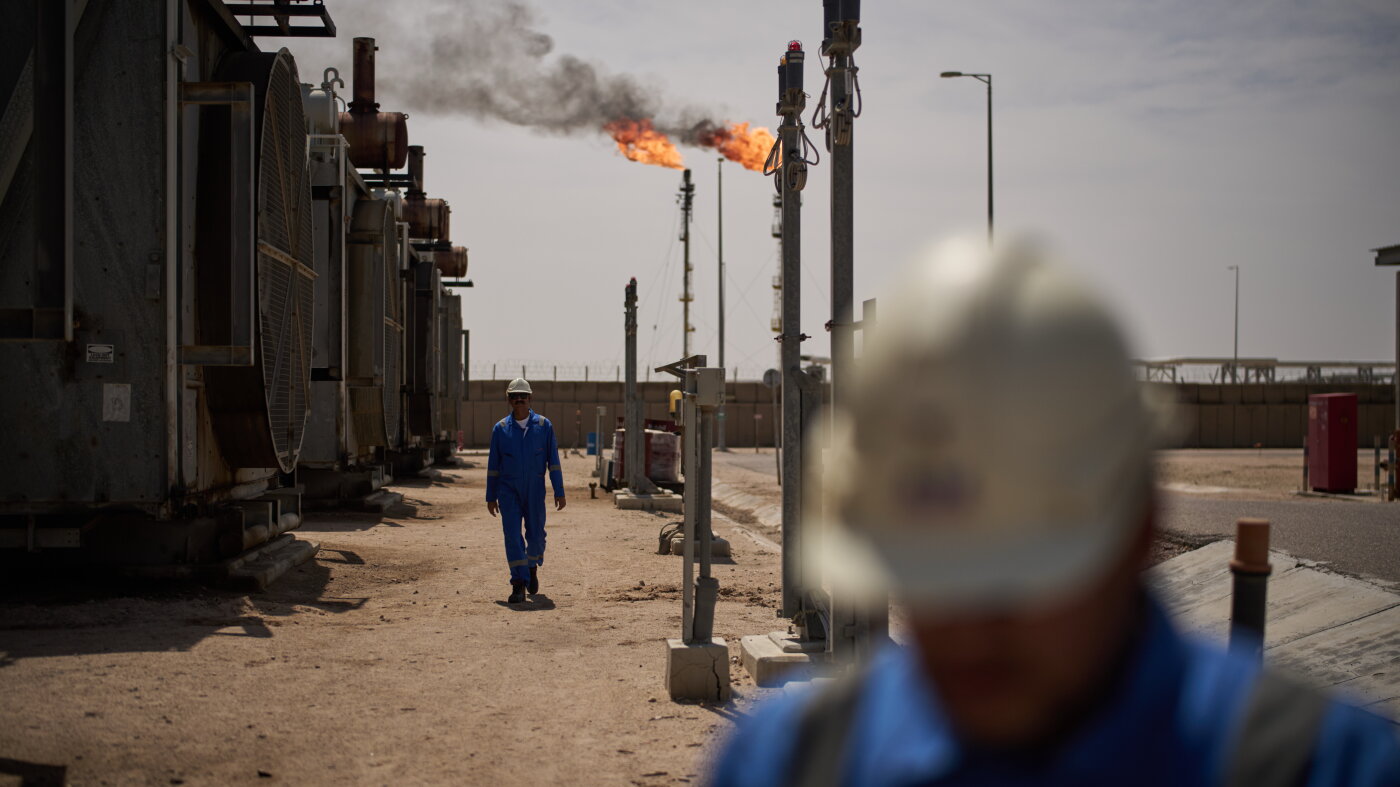
The recent geopolitical developments surrounding the Strait of Hormuz are raising concerns about the future of oil transportation and pricing globally. With the U.S. implementing new economic sanctions on Iran, the stability and accessibility of this vital shipping route are under scrutiny. Industry analysts suggest that while alternative infrastructure projects may offer partial solutions, a significant reliance on the Strait continues to exist.
The Importance of the Strait of Hormuz
The Strait of Hormuz is crucial for global oil trade, with nearly 20 million barrels passing through daily before the onset of conflict in the region. U.S. Treasury Secretary Scott Bessent claims that within two years, the strait could transition into a lesser-used waterway, with up to 70% of oil transported through new underground pipelines. However, energy experts are skeptical of such predictions, stating that despite ongoing attempts to develop bypass pipelines, the strait will remain a key maritime passage for years to come.
Recent initiatives include a $3 billion pipeline expansion in the United Arab Emirates, expected to commence next year, and plans for Saudi Arabia to enhance pipeline capacities. Nonetheless, the International Energy Agency (IEA) warns that even with these developments, a substantial volume of oil—potentially over 10 million barrels per day—will still need to pass through the Strait for overall Gulf exports to return to pre-crisis levels.
Escalating Shipping Challenges
The ongoing conflict in the region has had dire repercussions for energy supplies, creating the largest disruption in energy shipping history. Industry experts, such as David Goldwyn, emphasize that the current crisis indicates a trend toward longer-term export constraints from the Strait. The volatility of the conflict makes long-term shipping assurances essential, and any alternative routes remain subject to threats from Iran.
The IEA remarks that while new pipelines may ease some transport concerns, they cannot address the underlying tensions affecting long-standing shipping routes like Bab el-Mandeb. The strategic significance of this narrow waterway further complicates the situation, as it has become a target for attacks from Houthi rebels aligned with Iran.
Global Energy Prices and Consumer Impact
With shipping disruptions, global oil prices have surged, often exceeding $100 per barrel. These price increases are directly affecting consumers, with higher gasoline and natural gas prices expected to persist. Goldwyn predicts that elevated costs for energy and food will endure for at least a year, primarily due to disrupted supply chains in the Gulf, from which fertilizer and other essential commodities are sourced.
As countries face heightened dependence on imported energy, attention has shifted toward renewable resources as a potential remedy. However, while interest in wind and solar energy is growing, experts argue that these alternatives will not sufficiently alleviate immediate concerns regarding fossil fuel price volatility.
Limited Alternatives to Oil Transportation
While pipelines and alternative transportation routes offer some hope for circumventing crises in the Strait, they are hindered by geopolitical disputes and logistical challenges. Iraq is currently negotiating pipeline agreements with Turkey to enhance its oil transportation, but progress is slow due to internal conflicts and external pressures.
The Bak el-Mandeb remains one of the few alternative routes for oil transport, yet its reliability is compromised by ongoing military conflict. Analysts warn that while developments like new pipelines are beneficial, they do not provide a foolproof solution, emphasizing a desperate need for a lasting peace in the region to ensure stability in global energy markets.
In summary, as geopolitical tensions continue to mount, the future of oil transportation through the Strait of Hormuz hangs in the balance. Industries and consumers alike should be prepared for prolonged instability and elevated prices, while simultaneously advocating for sustainable energy solutions.