
Reflections on Iraq’s Painful Geography
The scars of conflict run deep in Iraq, a land whose history is marred by violence and displacement. As I drove along the highway linking Baghdad to the cities of Amman and Damascus, the memories surged back—a poignant reminder of the millions who have fled this fractured nation.
Childhood Memories Against the Backdrop of War
One afternoon, as a child, I overheard my mother whispering dreaded predictions—“they would come for us.” I wasn’t even ten at the time, yet this moment remains etched in my memory. I left my cousins outdoors, playing football, and climbed the stairs for a simple sandwich, only to be met by a grim television broadcast displaying New York’s skyline engulfed in smoke. That was the beginning of an unraveling, as just two years later, the United States led its invasion of Iraq, raining devastation upon my homeland. The garden once full of laughter became a battlefield, foreshadowing the family’s disintegration.
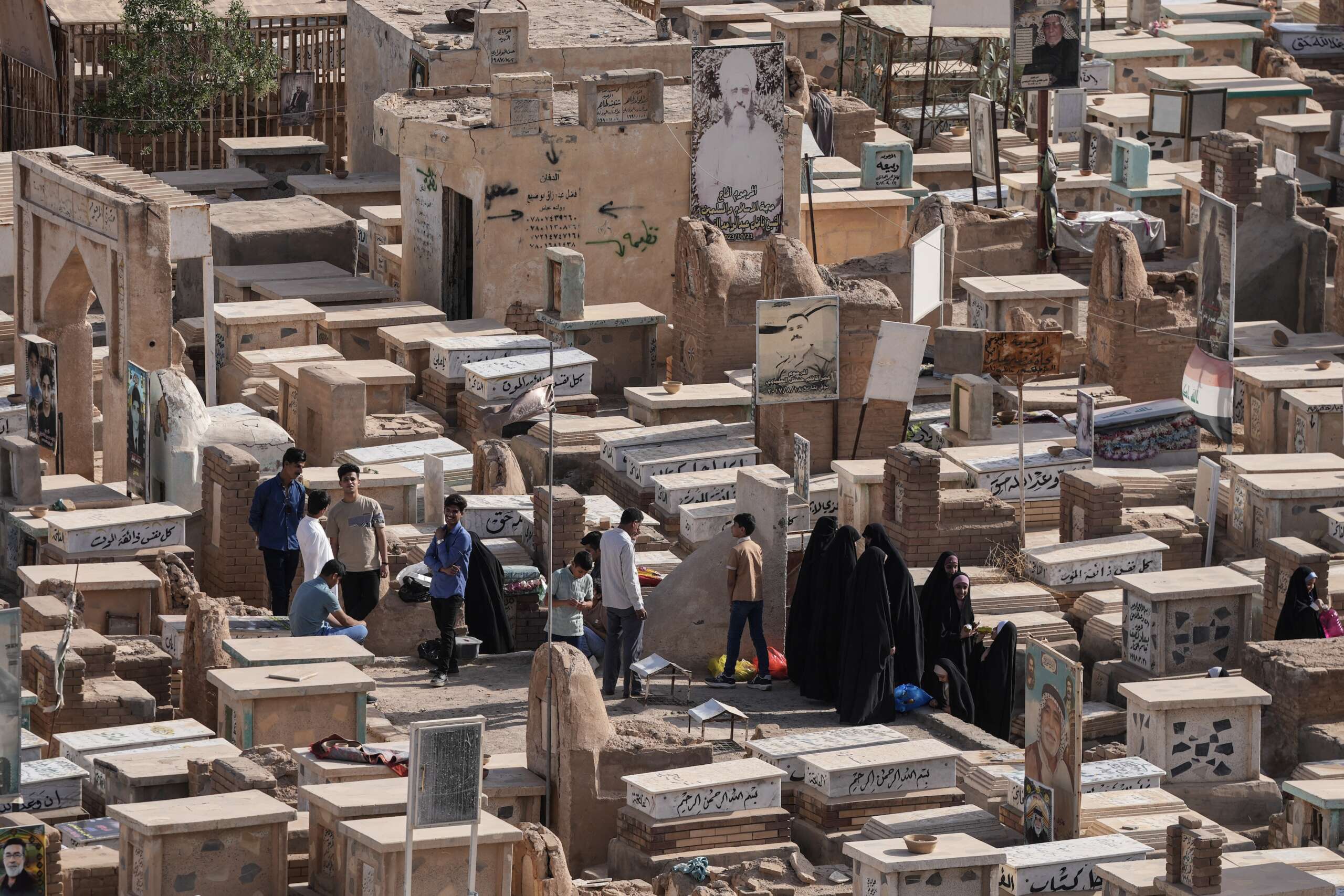
Fast forward to July 24, 2021, I found myself retracing the same roads to visit my mother’s grave, honoring her memory on the anniversary of her passing from COVID-19. This road, scarred and neglected since the invasion, bore witness to the lives uprooted by years of sanctions and war. The missing guardrails, shattered signs, and bullets striking the lampposts were silent testimonies to Iraq’s ongoing struggle. As I washed my mother’s gravestone with rose water, I couldn’t help but reflect on the untold stories of countless Iraqis who remain forgotten in the wake of such trauma.
Visiting Fallujah: A City of Shadows
Next, I journeyed to Fallujah, passing by remnants of a pre-war life now overshadowed by checkpoints manned by paramilitary forces, their images a stark reminder of the continued turmoil. Arriving at the city’s iron bridge, I encountered locals recounting the infamous Blackwater incident from 2004—a grim chapter in Iraq’s modern history. Standing by the Euphrates River, a place once filled with joy and life, I contemplated the despair of young men who frequently succumb to the river’s depths, escaping the pain of their reality.
As I sought the Martyrs’ Cemetery, now situated on what once was a sports field, I considered the transformation of spaces once vibrant into solemn grounds of remembrance. The tombstones, lined in rows, told the stories of lives cut short. In contrast to the cacophony of life just earlier, this place became a haunting silence, echoing the loss of innocent dreams.
The Current Landscape: A Struggle for Survival
Heading past Abu Ghraib toward my family’s neighborhood, I observed the emptiness that had become a norm for many Iraqi families. Farmers selling watermelons along the roadside contrasted sharply with the somber realities of recent years. Economic despair loomed large, as ordinary citizens were left to mend a fractured future amidst wilting resources and a lack of government support.
In Baghdad, the streets echoed with protests from disenfranchised farmers and the unemployed. State authorities responded with force, leaving a trail of indignation and fear. The imminent September 30 deadline urged militia members to disarm, yet it felt like a superficial endeavor. Conversations recounted a grim willingness to sacrifice lives for power—a stark negotiation where human life hung perilously in the balance.
A Silent Diaspora
Amidst this chaos, many scholars, residing in far-off lands, remain mute, distanced from the harsh realities faced by ordinary Iraqis. Despite the upcoming release of works detailing Iraq’s plight, very few contributors actively engage in the struggles that define life within this disfigured territory. International media often filters stories, amplifying the voices of those detached from the visceral experiences on the ground—an erasure of narratives that matter.
Ultimately, the pervasive challenge is not the lack of eloquent voices but rather the unwillingness to listen. There are profound stories that persist in the shadows, longing for recognition, but they must be actively sought instead of passively consumed. In this complex landscape, the hope for change remains, driven by those who continue to dream of a brighter tomorrow in spite of enduring unprecedented challenges.