
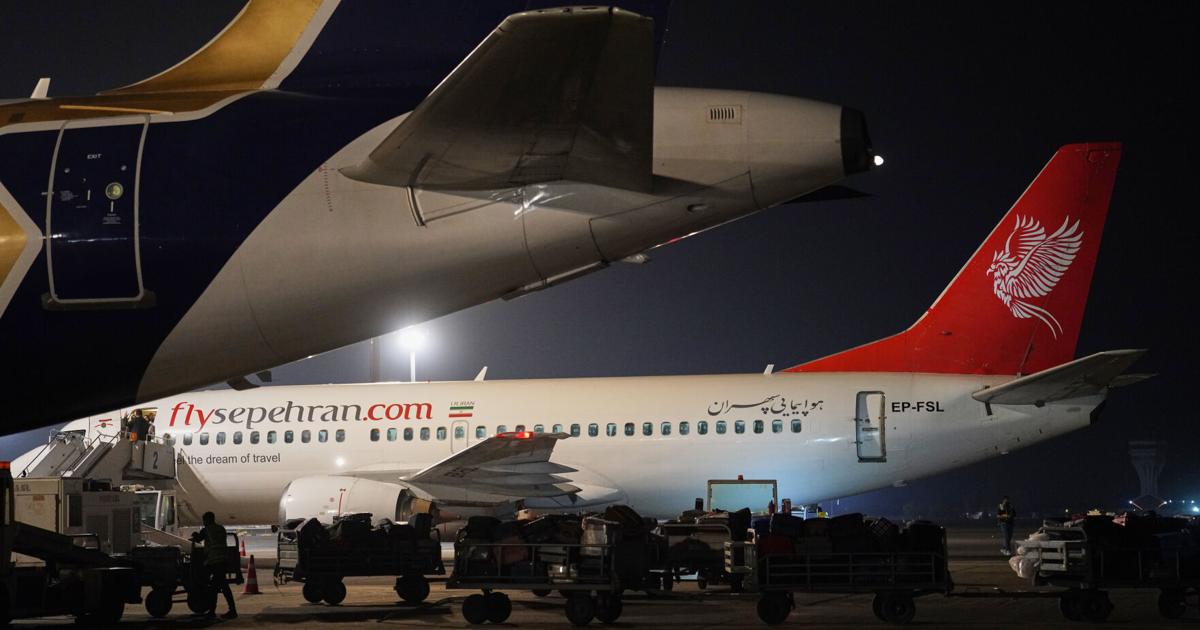
Iran’s aviation sector has been making headlines recently, particularly regarding airlines like Sepehran Airlines. This rise in interest underscores the rapidly growing aviation landscape in the Middle East, including places like Najaf International Airport in Iraq.
Sepehran Airlines: A Brief Overview
Sepehran Airlines has emerged as a significant player in Iran’s aviation industry, serving as a vital link for travelers in the region. Established in 1998, the airline has steadily expanded its route network and fleet, providing reliable domestic and international flights. Aiming to enhance connectivity, Sepehran strives for quality service while accommodating the needs of travelers across the region. As the airline continues to grow, it remains committed to improving customer experience and operational efficiency.
Najaf International Airport: A Gateway to the Region
Najaf International Airport plays a crucial role in enhancing travel to and from Iraq. Serving as a key hub, it facilitates traffic not only for local residents but also for international passengers. The airport has been upgraded in recent years, featuring modern facilities that accommodate a diverse range of airlines. As cities like Najaf expand in tourism and trade, the airport’s capacity and services are crucial for achieving regional economic growth. The presence of airlines such as Sepehran enhances Najaf’s appeal, making it easier for people to access significant cultural and religious sites.
The Future of Aviation in the Middle East
The aviation industry in the Middle East is projected to experience significant growth in the coming years. As regional economies expand and modernize, demand for air travel continues to rise. Airlines are focusing on upgrading their fleets with more fuel-efficient models and improving passenger experiences through technology and amenities. Sepehran Airlines, along with other carriers in the region, is positioned to benefit from this trend, adapting to the dynamic travel landscape. Additionally, the strategic location of Middle Eastern airports makes them pivotal transit points for global travel, further cementing their importance in international aviation.
Conclusion
In summary, the growth of Sepehran Airlines and the development of Najaf International Airport reflect the burgeoning aviation sector in Iran and the wider Middle East. As airlines invest in expanding their operations and enhancing the travel experience, both local and international passengers gain better access to a variety of destinations. With the industry poised for continued growth, the future looks promising for airlines operating in this vibrant region. The interplay of economic development, tourism, and modern infrastructure will likely shape the trajectory of air travel in the coming years.