
In the evolving landscape of modern warfare, the U.S. military is re-evaluating its strategies in light of advancing drone technology. As combat becomes increasingly complex, military leaders are advocating for a shift in approach to reduce vulnerabilities on the battlefield.
Adapting to Drone Warfare
The significant troop deployments during the Iraq and Afghanistan conflicts presented a new set of challenges, especially with the rise of attack drones. Marine General Francis Donovan, head of U.S. Southern Command, emphasized the necessity for the military to become less of a target. During his remarks at this year’s SOF Week exhibition in Tampa, he noted the lessons learned from the intensity of previous conflicts, saying, “I think we need to make ourselves a smaller target.” His insights highlight the urgent need for military strategies to adapt to contemporary threats.
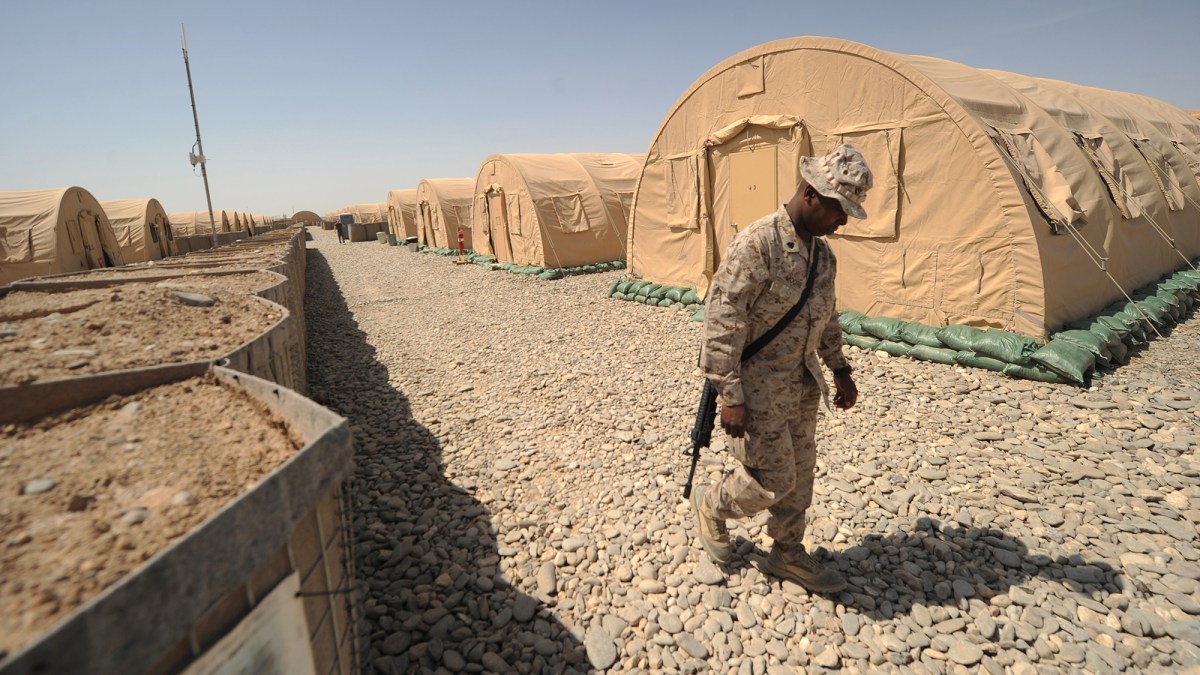
At the height of both wars, the U.S. military had approximately 100,000 troops in Afghanistan and 170,000 in Iraq. Massive bases such as Bagram Airfield in Afghanistan and Joint Base Balad in Iraq served as pivotal logistics and transportation centers. However, maintaining these large facilities came with increased logistical demands, making U.S. forces more vulnerable to potential attacks. Donovan stressed that the logistical footprint complicates military operations, stating, “When you build up logistics for your own needs, you make yourself more vulnerable.”
Challenge of Increased Vulnerability
U.S. troops have traditionally positioned themselves at substantial forward bases, equipped for rapid response and medical evacuations. Yet, in today’s drone warfare era, this operational model has become obsolete. Donovan remarked, “It’s very hard to hide anywhere these days,” urging a reevaluation of operational strategies to enhance concealment. He pointed out the importance of deception, movement discipline, and reducing the digital footprint to safeguard against enemy targeting.
The evolution of threats, particularly from enemy drones, necessitates that the military transition its tactics from large-scale deployments to smaller, more adaptable units. The Army has begun to conduct training exercises that emphasize mobility and stealth, preparing soldiers to effectively navigate contemporary threats. Donovan remarked that the military’s focus on significant troop levels has to change fundamentally: “If we need all those things, then the enemy has an easier way to target us.”
Lessons from History and Future Implications
As the military grapples with these pressing challenges, Donovan’s outlook focuses on achieving a more dynamic and streamlined presence. With an operational theater that spans Latin and South America, he highlighted the need for restraint in troop deployments and logistics support. “We have to be careful not to get too strong, too big at any location,” he advised, urging a balance between an optimal force level and maintaining an agile response capability.
The implications of this strategic shift are profound. Military leaders recognize that to remain effective, the U.S. must account for new threats posed by technology in warfare. As the world continues to evolve, adapting military tactics will be crucial not only for national security but also for safeguarding the lives of service members engaged in complex operations.
With the advancement of drone capabilities on the battlefield, it is imperative for military strategies to become more nuanced, targeting effective operational frameworks that ensure troop safety while maintaining readiness for future conflicts. This reflection will ultimately shape how the U.S. military prepares for the challenges ahead.