
The experience of visiting the Department of Motor Vehicles (DMV) is often characterized by long waits and a sense of anonymity. Indeed, this is a place where many, including myself, may grapple with their identity, especially during the critical transition to civilian life. As I sat in the waiting area, surrounded by strangers, the sense of urgency and anticipation was palpable, especially as the clock ticked down just before closing time.
The DMV Encounter
Finally, my number was called by a staff member at Station 5. Without making eye contact, she requested my documents, indicating that I was merely another task to complete. She then casually pointed to a display promoting special license plates. “Do you want one?” she asked.
“No, not really,” I replied, attempting to communicate that I was an uncomplicated case. She nodded, focused on her paperwork, and disappeared into the back, leaving me to contemplate my surroundings.
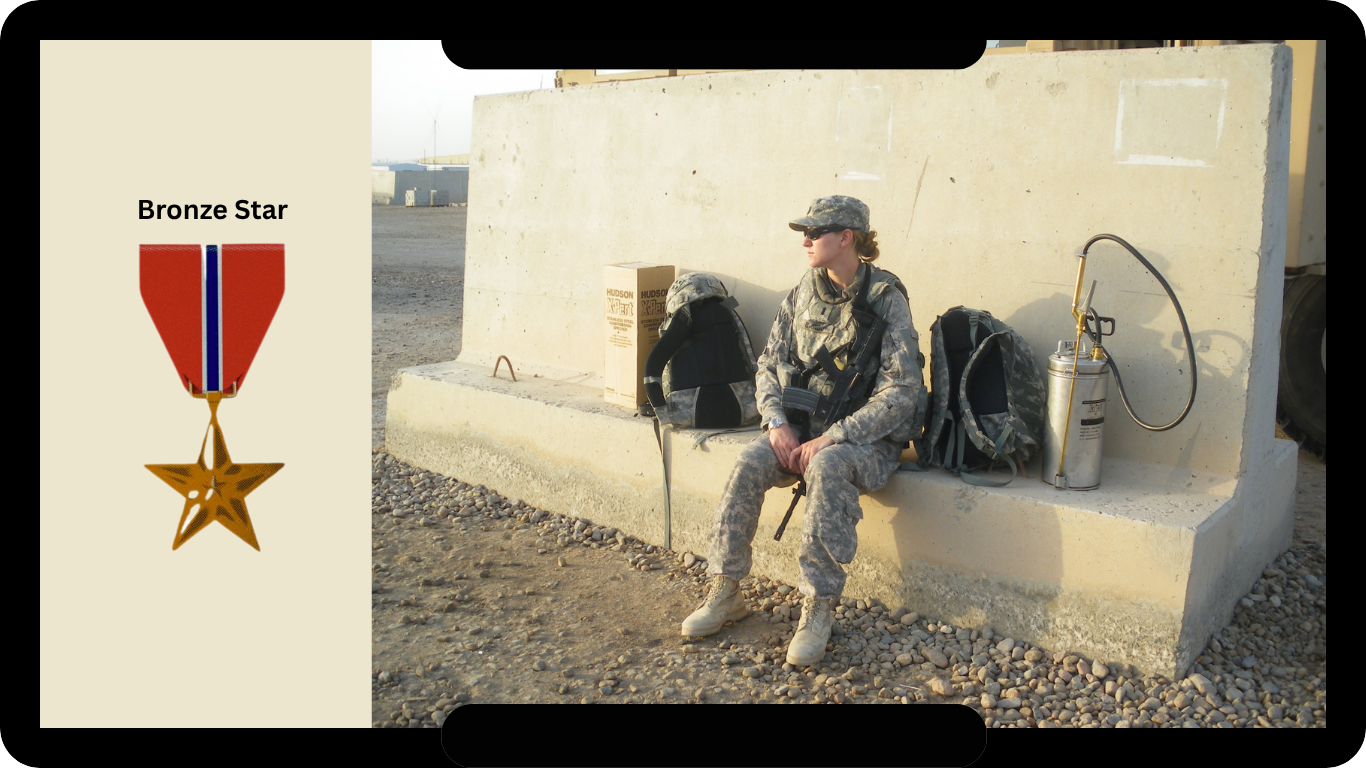
Upon her return, I noticed a specialty plate featuring the Bronze Star Medal—a recognition bestowed upon military service members for commendable achievements in combat zones. This simple image struck a chord within me; it represented both pride in my service and the unwarranted perceptions that come along with such awards.
Understanding the Bronze Star Medal
The Bronze Star Medal recognizes not just acts of valor, but also commendable service. While I was honored to receive the medal for my deployment in Iraq, I was troubled by the misconceptions it could create. Many might automatically assume that the medal equates to heroism in active combat, a narrative that didn’t reflect my reality. I was simply doing my job as a medical services officer, and this dissonance made me uncomfortable.
When I stepped into the DMV, I was focused solely on navigating my new civilian life after leaving the Army. Yet, the sight of that specialty plate brought forth a wave of introspection, a reminder that I needed to navigate more than just bureaucratic tasks. I had to figure out how to integrate my military identity into my civilian life.
Decisions of Identity
As the DMV representative completed my transaction, I hesitated when she brought up the price for the standard plates. I momentarily debated the significance of displaying my Bronze Star on my vehicle. Did I want to publicly acknowledge my achievement, or was I downplaying my service because I didn’t feel “heroic” enough compared to my peers?
She observed my internal struggle and encouraged me to fill out the application for the special plates, reminding me of my deserving service. Her words struck a chord, offering me an unexpected moment of recognition that I had been denying myself.
Ultimately, after much contemplation, I decided to order the plates. Sometimes, an outsider’s perspective can provide the validation we need to accept our accomplishments fully. I left the DMV carrying not just my new documentation but a sense of clarity about my identity as a veteran.
In this whirlwind of thoughts, I realized that while I may not have been a hero in the traditional sense, my experiences and achievements deserved acknowledgment. Life after military service is complicated, but taking pride in who you are and what you’ve accomplished is a necessary part of that transition.