
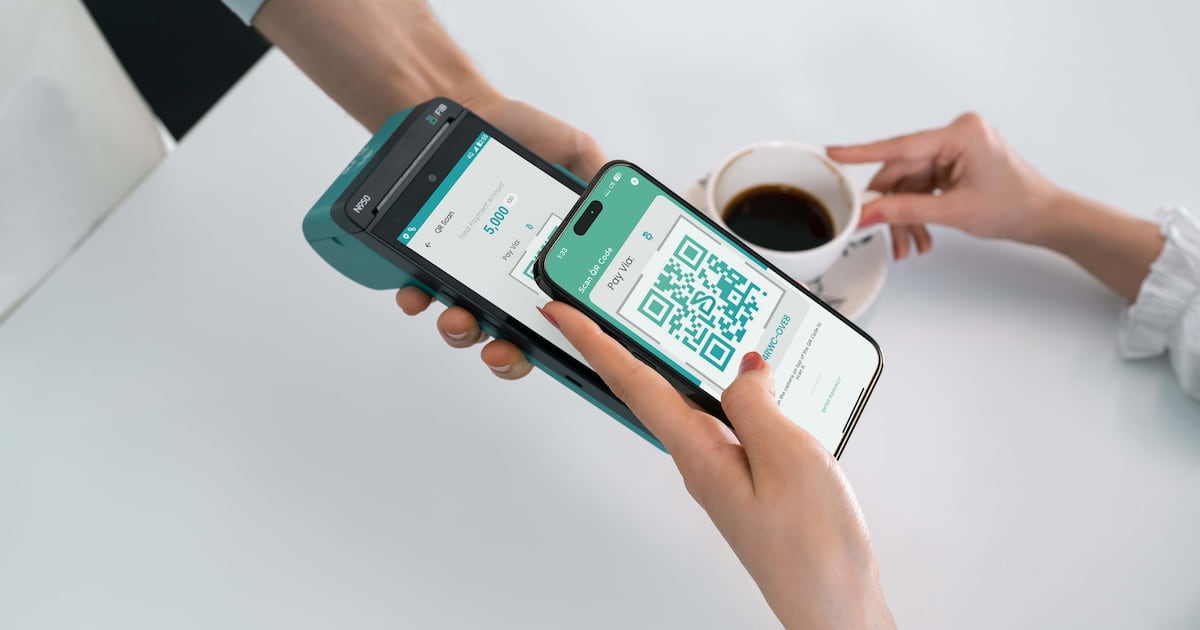
In recent years, Iraq has witnessed a transformation in its banking landscape, driven largely by the emergence of digital banking. Kawa Junad, the founder of First Iraqi Bank (FIB), faced the daunting task of persuading a predominantly cash-based populace to consider the benefits of digital banking. Most Iraqis had never engaged with a traditional bank, making his mission even more challenging.
The “Chicken and Egg” Dilemma
Junad’s primary obstacle was what he termed a “chicken and egg” scenario. Consumers required merchants to adopt digital payment methods, while merchants were reluctant to switch without a customer base. To break past this logjam, Junad and his team tirelessly engaged with both merchants and consumers during the initial six months of FIB’s launch, going door-to-door to build awareness and trust. By late 2021, this effort yielded significant results; FIB established a network of approximately 3,000 small and medium enterprises (SMEs) capable of conducting transactions via the app. This milestone served as a crucial pivot point in the bank’s growth trajectory.
Growth in a Cash-Dominated Economy
The success of FIB is indicative of a broader shift in Iraq’s economy. With the rise of younger consumers and an increasing number of SMEs, digital payments are becoming more accepted. As of now, FIB boasts a user base exceeding 1.3 million customers, a staggering 90% of whom had never held bank accounts before and mostly relied on cash. Furthermore, around 30,000 merchants have begun accepting payments through smartphones, sidestepping the need for costly point-of-sale systems. According to Junad, this growing interest highlights a significant market appetite for technologies designed to make everyday transactions simpler and more efficient.
Junad observed that the increase of digital transaction volumes was notable, with growth rates surpassing 85% from 2024 to 2025. Small businesses utilizing FIB’s QR payment services transitioned from predominantly cash transactions to only receiving about 20% of payments in cash—a remarkable transformation by any standard. This newfound ease in transactions has not only simplified business operations but also paved the way for deeper engagements between consumers and the banking ecosystem.
Future Prospects for Digital Banking
The evolution of FIB extends beyond merely facilitating payments; it signifies an impending shift in customer relationships with banks. Approximately 30% of FIB’s clientele now accesses savings, credit, and salary account services. Junad anticipates that the next phase will revolve around enhancing access to credit, particularly for SMEs and customers with historically limited options. By focusing on digital lending and credit solutions, FIB aims to expand its offerings significantly by the end of 2026.
This transition is monumental, as it could provide businesses that have predominantly dealt in cash with avenues for formal borrowing, while simultaneously enabling banks to gather more data to evaluate creditworthiness. Junad describes this emerging landscape as a “game-changer in the near term,” signifying a tangible shift toward a digital economy where cash is increasingly sidelined.
In conclusion, while traditional banking methods remain ingrained in Iraq’s society, the ascent of digital banking, as exemplified by First Iraqi Bank, offers a promising glimpse into a more modern financial future. As younger consumers and a growing number of businesses embrace these innovations, the possibilities for both growth and inclusion in Iraq’s banking sector are substantial.