
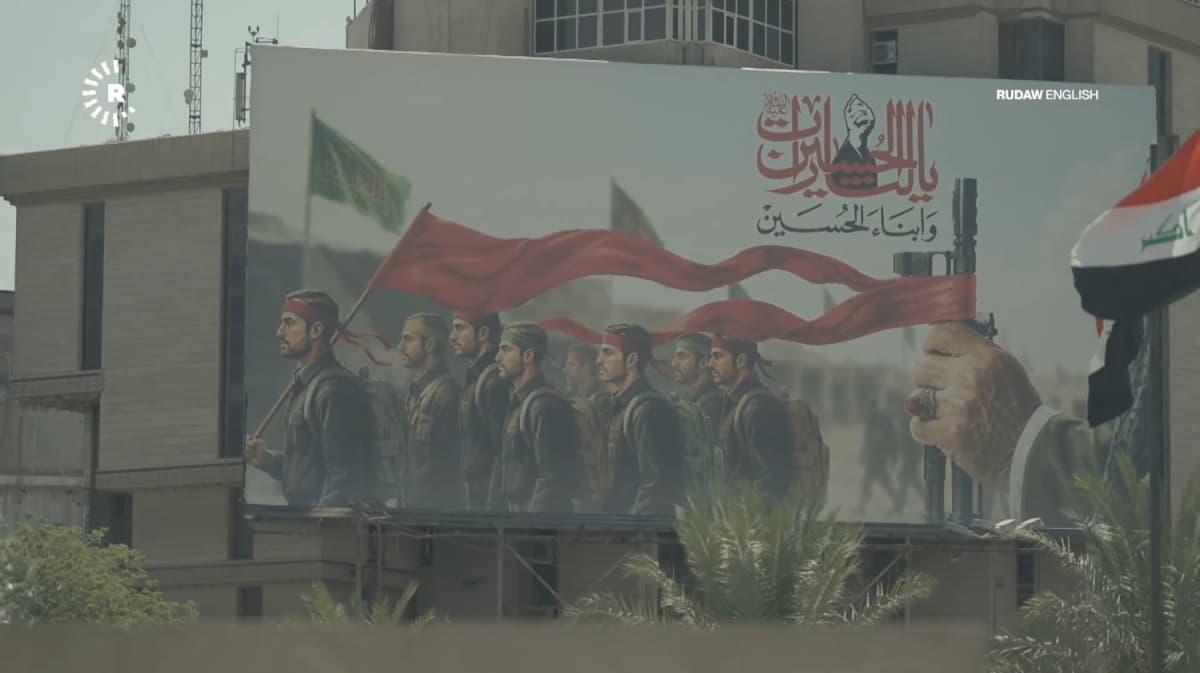
In the latest episode of Unfinished Stories, Hevidar Ahmed of Rudaw explores Iraq’s shifting political landscape following the withdrawal of US-led coalition forces on September 30, 2023. With the backdrop of this pivotal event, Ahmed delves into what the new dynamics may entail for the Kurdish factions in Baghdad.
Key Conversations in Iraq’s Political Landscape
During his visit to Baghdad, Ahmed engages with prominent figures such as veteran Iraqi Shiite politician Izzat al-Shabandar and Hoshyar Zebari, a senior member of the Kurdistan Democratic Party (KDP). Their dialogue centers around crucial topics including the disarmament of Iran-affiliated factions and the enduring influence of Kurdish political parties in Iraq’s capital. The shift in power dynamics could herald significant changes for Kurdish representation and their strategic autonomy within the Iraqi government.
Shabandar shares a stark perspective, asserting that “if the Americans want to drive Iran out and set the stage for Arab states to fill the resulting power gap, they must prepare for a long entanglement that could last 15 to 20 years.” This statement underscores the complexity of Iraq’s geopolitical reality and highlights the critical need for stability amidst uncertainty.
The Role of Iran and US Relations
US relations with Iran remain a point of contention. President Donald Trump has expressed a desire to sever ties with Iran, yet Shabandar argues that Iran is comfortable with Iraq maintaining a dual relationship with the United States. The ongoing political maneuvering leaves Iraq in a precarious position, balancing influences from both nations as it navigates its sovereignty.
While September 30 was set as a deadline for armed factions to disband, Shabandar cautions that this date is not absolute. He emphasizes that influential American stakeholders have borne certain flexibilities into this timeline, recognizing that immediate disarmament of factions is neither realistic nor practical. This situation highlights the ongoing ambiguity in Iraq’s political restructuring and its reliance on external powers.
The Kurdish Perspective and Future Prospects
For the Kurdish community, the departure of US forces evokes caution and a sobering understanding of the necessity for unity within the Kurdistan Region. Historically, the Kurds have played an instrumental role in the post-Saddam political landscape, actively participating in establishing a new Iraq and contributing to the formation of its constitution.
However, since the independence referendum in September 2017, the relationship between the Kurdish region and Baghdad has markedly shifted. The Iraqi government’s military response to Kurdish aspirations showcased the fragility of that partnership, leading to questions about the future of Kurdish influence in national decisions.
Zebari articulates the sentiment of the Kurdish leadership, advocating for a united front as they engage in Baghdad’s political discourse. He asserts that Kurdish strength in the capital can only be enhanced through unity, emphasizing the need for collaboration among Kurdish parties. Ultimately, the direction of Iraq in this transitional period will depend significantly on the cohesion of Kurdish interests and their ability to navigate external influences effectively.