Recent tensions in the Middle East have escalated as Iraq has claimed responsibility for attacks on a crucial Saudi oil pipeline. These assaults have raised alarm bells, especially given the geopolitical implications intertwined with U.S. authorities’ potential blame on Iran. President Donald Trump suggested that Iran likely played a role, stating, “Well, I think they are. Probably they are,” when asked about Iran’s involvement in the situation.
Iraq’s Involvement in Pipeline Attacks
The Iraqi government has stated that the attacks on the East-West pipeline, critical for daily oil exports, originated from its territory. In light of this, Iraqi Prime Minister Ali al-Zaidi ordered an investigation into military operations in Maysan province, located near the Iranian border. Following the analysis, the commander of the province’s military operations was dismissed. This investigation highlights the growing concern over both internal security and external regional stability, especially amid accusations targeting Iran and its associated groups.
U.S. and Saudi Responses
Amid these developments, the Saudi Foreign Ministry blamed drone strikes for the damage to the pipeline. They have allowed the Iraqi government time to address the issue without retaliation, indicating a desire for diplomatic resolution. Trump emphasized his relationship with Saudi Arabia, reassuring listeners that “everything’s going to work out fine and dandy,” and voiced confidence in the forthcoming talks between Lebanon and Israel, which add another layer of complexity to the regional dynamics.
Regional Instability and Houthi Rebellions
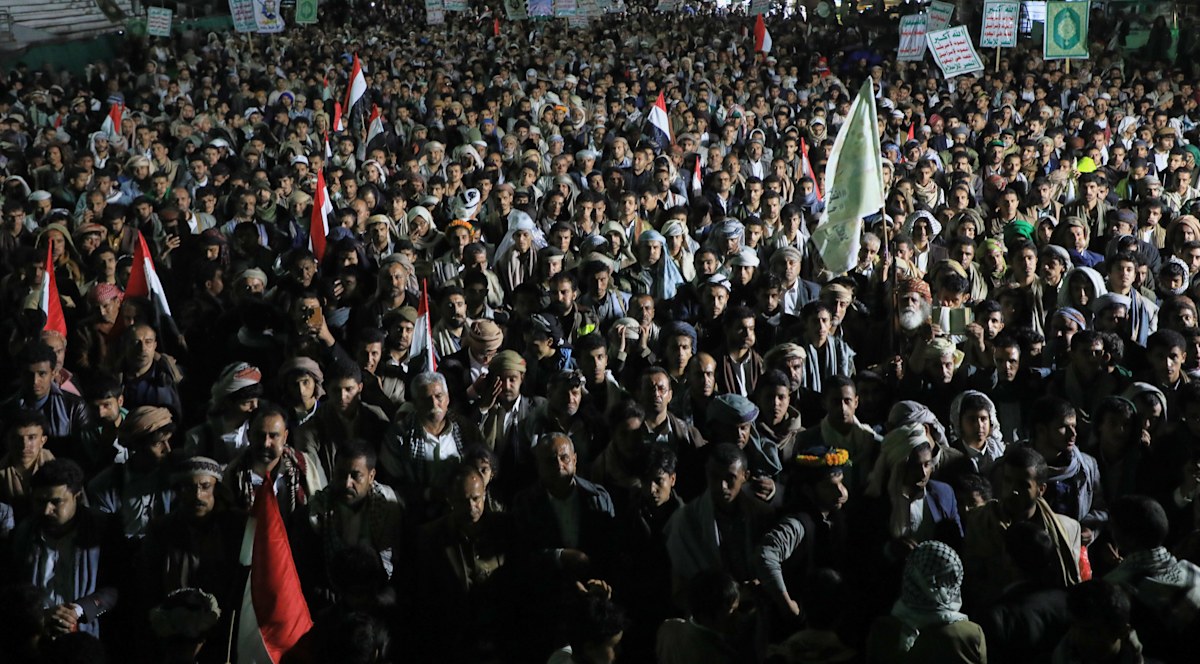
The situation has been compounded by the swift advance of Houthi rebels in Yemen, who are backed by Iran. Their rising influence threatens alternative shipping routes such as the Bab el-Mandeb Strait, heightening displacement issues for many civilians in the region. Reports indicate that the Houthis engaged in conversations with U.S. officials about their operations, clarifying that their primary focus is on Saudi targets while expressing a desire to avoid U.S. involvement in the conflict.
As the situation unfolds, the potential for backlash and further escalation remains present. The East-West pipeline is not just a mere conduit for oil but a barometer for regional tension. Significant increases in Saudi oil exports via this pipeline indicate a dependency that the authorities can’t afford to overlook.
In summary, the complex interplay between Iraq, Iran, and the Houthis underscores a precarious balance of power in the region. Should tensions rise further, the ramifications could extend well beyond the immediate area, affecting global oil markets and international security apparatus. It is imperative for the involved nations to engage in dialogue and seek diplomatic solutions to mitigate the risks posed by aggressive posturing and military actions.