
The Challenges of Traumatic Brain Injuries Among Combat Veterans
Traumatic brain injuries (TBIs) have emerged as a significant concern among U.S. military personnel, particularly those affected by conflicts like the Iran war. Veterans like Joe Shearer demonstrate the overlooked and often debilitating consequences of such injuries. While many injuries may appear “mild” or not immediately impactful, the long-term effects can profoundly disrupt everyday life.
Understanding Traumatic Brain Injuries
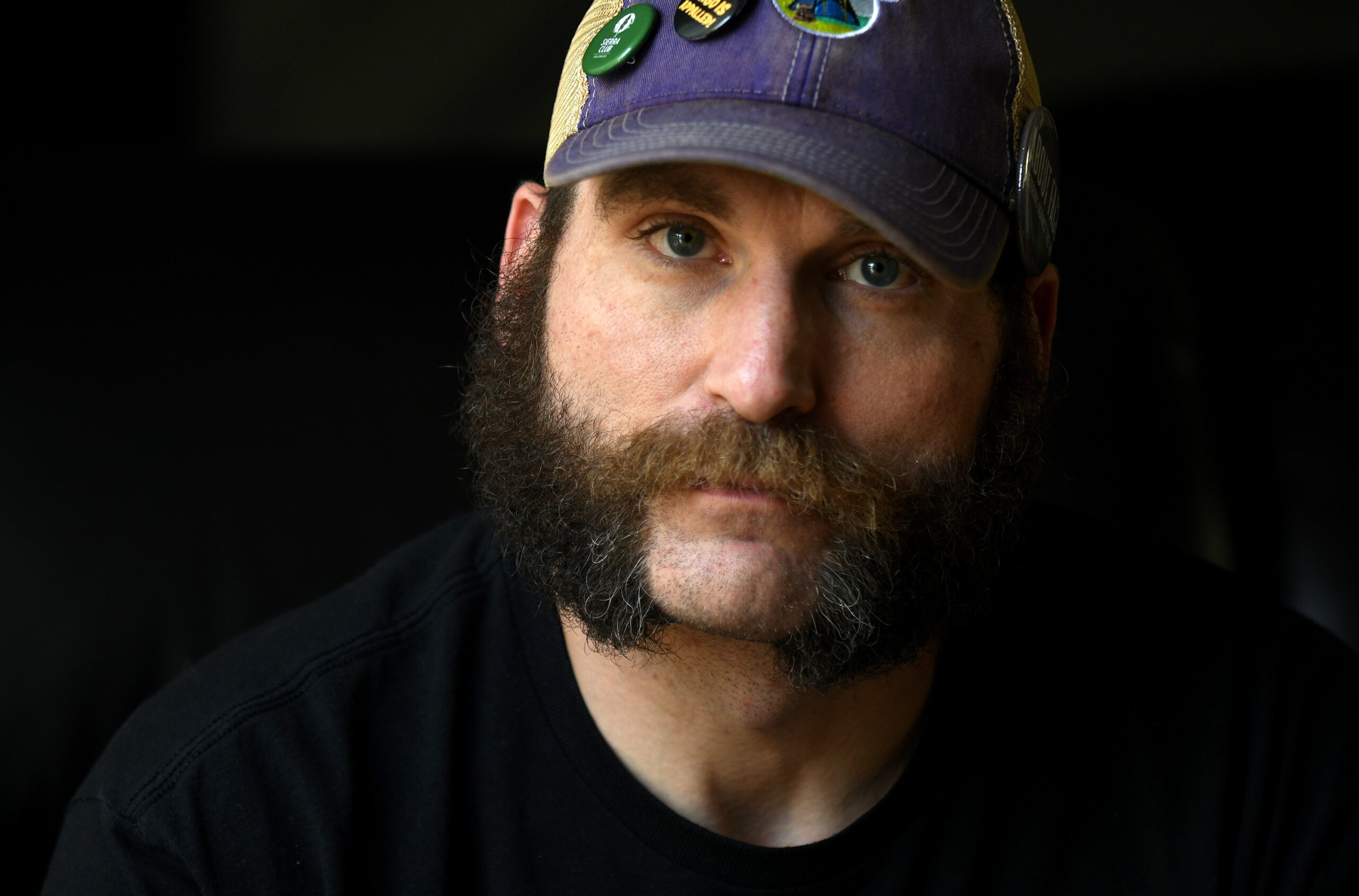
When Shearer served as a Marine in Iraq, he experienced two explosions that ultimately led to his TBI diagnosis. The first involved enemy mortar fire, while the second involved a roadside bomb. Although he physically returned to duty after each event, the invisible symptoms of his injuries lingered. Today, at 40, Shearer grapples with dizziness, migraines, and forgetfulness, making daily life challenging for both him and his family. These experiences are not unique; many service members face similar struggles as a result of TBIs that were often misclassified or overlooked at the time of injury.
The prevalence of TBIs in combat zones underscores the need for better awareness and treatment protocols. According to military officials, hundreds of service members have encountered TBIs due to drone and missile strikes. Unfortunately, the Pentagon recently characterized many of these injuries as “minor concussions,” downplaying their seriousness. Treating these injuries with the urgency they deserve is critical as experts warn that even seemingly mild TBIs may lead to severe, long-lasting consequences.
The Unpredictability of TBI Outcomes
Medical professionals face a daunting challenge—predicting who may face long-term issues after a TBI. While many recover quickly, some individuals endure symptoms like ongoing headaches, cognitive difficulties, or “brain fog” for months or even years. This unpredictability has sparked discussions within the medical community about redefining how TBIs are classified. The consensus is clear: repeated injuries amplify the risk of developing chronic conditions, including chronic traumatic encephalopathy (CTE).
Experts continue to investigate how explosive blasts impact the brain in ways distinct from traditional physical blows. Researchers like Dr. James Kelly note that the mechanism of injury from a blast wave differs significantly from blunt impact injuries, complicating treatment and recovery processes. As conflicts evolve and tactics change, combatants face new forms of warfare that may elevate the risk of TBIs, emphasizing the urgency for research and adaptation in treatment approaches.
Overcoming TBI Challenges Through Treatment
Addressing the long-term effects of TBIs requires a focus on holistic treatment. Veterans like Frank Sonntag have shared testimonies about the gradual process of reclaiming their lives post-injury. Sonntag faced severe cognitive challenges, including delayed speech and writing difficulties, leading to a diagnosis two years after his injury connected to a mortar blast. His path to recovery included speech therapy and various medications, highlighting how individualized treatment can significantly impact quality of life.
The experiences of Shearer, Sonntag, and other veterans illustrate a broader issue: the struggle for recognition and appropriate care for TBIs. Democratic lawmakers have called for investigations into military care practices following drone strikes, emphasizing the need for prompt screening and treatment for all affected service members. Advocates emphasize that survivors may require specialized therapy, and the symptoms of TBIs often overlap with other conditions, complicating diagnosis and treatment.
Overall, raising awareness, improving screenings, and implementing targeted therapies are vital for veterans coping with TBIs. The brain’s capacity to heal indicates hope for many affected individuals, but it requires a concerted effort by medical professionals, lawmakers, and military leadership to ensure these brave men and women receive the compassionate care they need.