
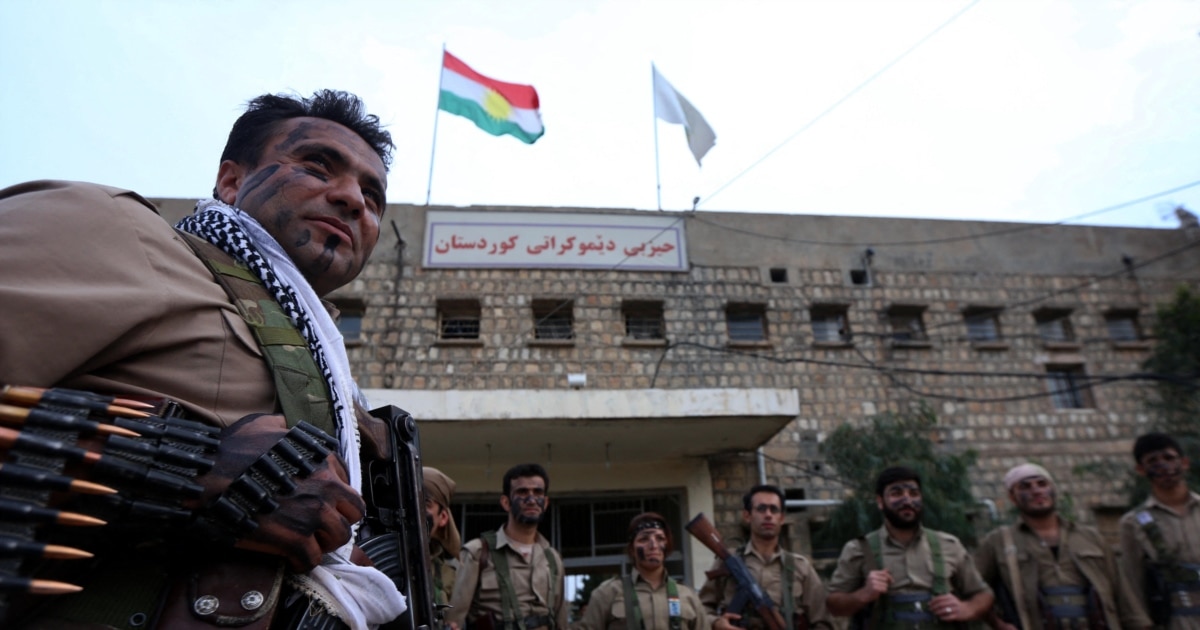
Growing Tensions: Iran’s Pressure on Kurdish Opposition
With the recent lull in U.S.-Iran tensions and the conclusion of American troop withdrawals from Iraq, Iran seems to be intensifying its pressure on Kurdish opposition factions in the region. This situation is not only critical for these groups but is also a litmus test for Iraq’s independence. Analysts emphasize that Tehran still wields significant influence over political decisions within Iraq, raising concerns about the sovereignty of its governance.
Iran’s Demands and Iraq’s Response
Reports from Iranian news outlets indicate that Iranian and Iraqi officials have reached an agreement to relocate members of Kurdish opposition groups from Iraq’s autonomous Kurdistan Region. Iranian Ambassador to Iraq, Mohammad Kazem al-Sadegh, confirmed that the two nations have agreed either to expel these so-called separatist terrorists or extradite them to Iran. However, Iraqi authorities have not corroborated these claims, and during a recent meeting that included representatives from the Kurdistan Regional Government, there was no indication of an official decision to move or extradite any opposition members. The Iraqi National Security Advisory Agency characterized the talks as discussions aimed at resolving issues under a pre-existing bilateral security agreement, leaving much uncertainty in their wake.
The Complex Political Landscape
The conflicting information reflects the intricate political dynamics surrounding Iranian Kurdish groups, which have long maintained a presence in northern Iraq. Hazhar Barnji, representing the Kurdistan Democratic Party of Iran (KDPI), stated that the party had received no formal communication regarding any relocation plans thus far. He emphasized the importance of respecting Iraqi sovereignty and international norms while remaining focused on their political activities within Iranian Kurdistan.
Tehran’s Ongoing Influence in Iraq
Entifadh Qanbar, an Iraqi political figure based in Washington, remarked that Iran’s sway over armed factions limits Baghdad’s capacity to make independent decisions, even amidst American efforts to curtail Tehran’s regional influence. He suggested that Iraqi Prime Minister Ali al-Zaidi struggles to exert control over these groups. As Qanbar put it, “Iraq will not emerge from Tehran’s control unless a fundamental political change occurs.” Political analyst Isam Fayli echoed these concerns, noting that Iran’s fear of a resurgent Kurdish opposition could pose a significant internal challenge in the future.
Legal and Humanitarian Implications
Fayli warned that Iraq’s potential decision to return opposition figures to Iran could raise serious legal and humanitarian issues. He advocated for international support to facilitate the safe resettlement of these individuals, drawing attention to similar past instances with other exiled opposition groups. Sheikh Ghaith al-Tamimi, leading the Iraqi Citizenship Project, pointed to historical precedents illustrating the limitations of military strategies in addressing Kurdish demands. He stressed that Iraq’s security collaborations with neighboring countries should prioritize constitutional and international obligations over settling political disputes for other governments.
A Test of Iraqi Sovereignty
As the U.S. military presence changes, the real test for Iraqi institutions lies in their ability to make independent security choices without yielding to foreign pressures or the influence of armed factions. For Kurdish opposition groups, the pressing question remains whether Iran’s reported commitment to cooperating with Baghdad will lead to tangible outcomes, especially considering previous agreements have failed to materialize in the expulsion of their factions from Iraqi territory.
In summary, as Iran steps up its efforts against Kurdish opposition groups, the interplay of local and international politics continues to shape Iraq’s future. The evolving dynamics present vital challenges not just for Iraq but for the broader stability of the region.