
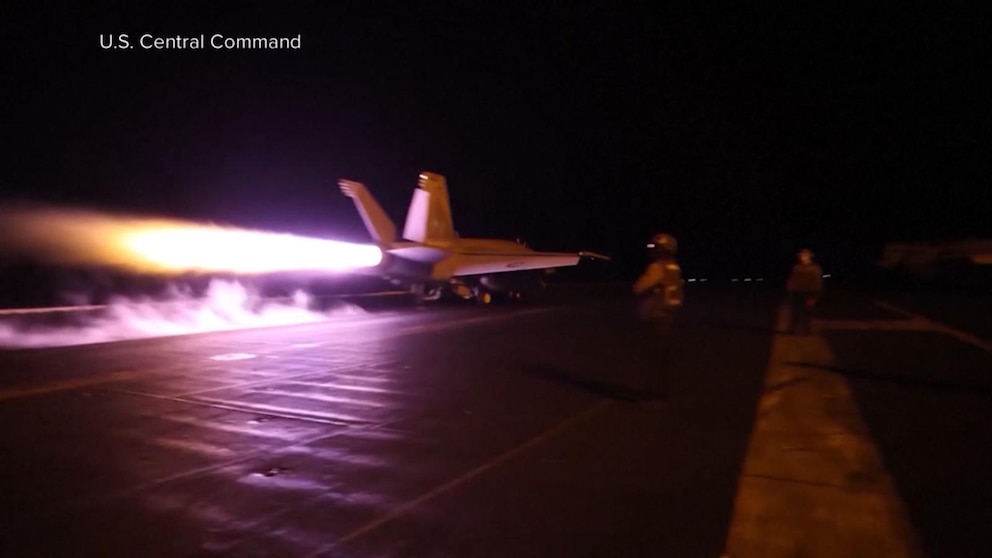
In recent weeks, tensions have surged between the U.S. and Iran, igniting discussions among President Trump and his team about whether to escalate military actions against Iranian targets. This situation unfolds against the backdrop of rising gas prices in the United States, which have reached a notable $4.10 per gallon, adding to the complexities of the current geopolitical climate.
Escalating Military Actions: A Closer Look
After two weeks of targeted strikes on Iranian positions, the U.S. administration is contemplating the next steps. The recent military operations have aimed to deter Iran’s influence in the region but have also raised concerns about potential escalation into a larger conflict. With President Trump and his advisors weighing their options, questions arise about the implications of increased military involvement. Any decision to intensify attacks could have significant repercussions, not just in the Middle East, but also on domestic fronts within the U.S., especially with regard to the economy.
The Impact of Rising Gas Prices
The spike in gas prices coincides with the ongoing military actions, striking a chord with American consumers who feel the pinch at the pump. As prices hover around $4.10 per gallon, direct implications for the economy become evident. Higher fuel costs can exacerbate inflation and impact discretionary spending, ultimately influencing consumer sentiment. For many, the rising prices serve as a harsh reminder of the broader implications of foreign policy decisions and military engagement. The connection between geopolitical tensions and everyday expenses might prompt a more cautious approach from the administration, considering public sentiment.
Public Sentiment and Political Ramifications
As military options are re-evaluated, the American public’s perception is crucial. The rising prices at gas stations can amplify public discontent, potentially influencing the administration’s decision-making process. A robust American economy hinges not only on international stability but also on domestic conditions. Thus, President Trump and his advisors might feel pressure to balance military strategies with economic realities. Historical contexts suggest that public support for military actions often wanes in the face of rising domestic costs, making the administration tread carefully as they navigate these turbulent waters.
Looking Ahead: What Comes Next?
As discussions continue about potential escalations, the focus must also remain on diplomatic solutions. Balancing military readiness with diplomatic negotiations can offer a middle ground that addresses both security concerns and economic impacts. The choice between escalating military pressure or seeking a resolved dialogue will significantly shape U.S.-Iran relations moving forward. With gas prices already on the rise, any decision made now could resonate through a variety of channels, affecting both domestic policies and international relations for years to come.
In conclusion, the interconnectedness of military actions and economic consequences makes this period critical for the U.S. administration. Sensitivity to public opinion and a keen understanding of the implications of rising gas prices could guide leaders toward more measured strategies. The narrative unfolding between the U.S. and Iran will undoubtedly influence not only international alliances but also the daily lives of Americans across the nation.