
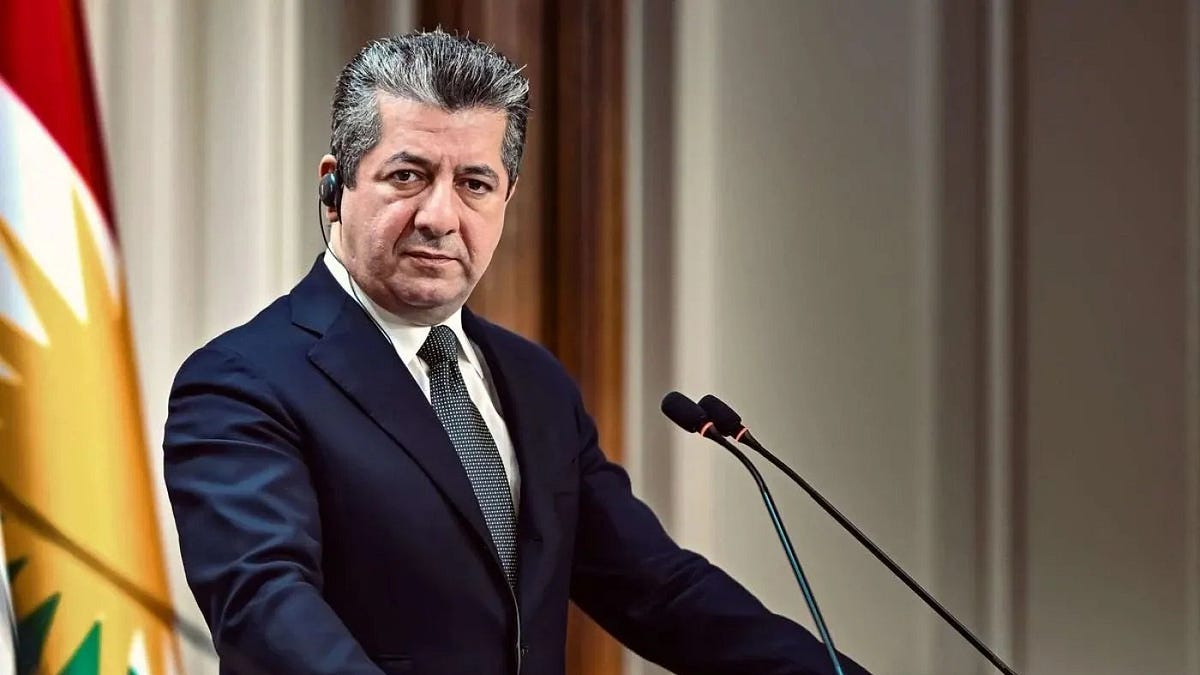
The ongoing conflict between Iran and Kurdish opposition groups in Iraq’s Kurdistan Region has escalated significantly, raising serious security concerns. With over 1,000 attacks since February 28, including drone and missile strikes, the situation poses a substantial threat to both KRG leadership and civilian populations.
Escalating Attacks and Humanitarian Impact
Since the U.S.–Iran tensions intensified, the Kurdistan Region has faced relentless assaults from Iranian-backed forces, resulting in significant casualties. Reports indicate at least 32 deaths have occurred due to these attacks, with percentages sharply rising post the breakdown of the U.S.–Iran ceasefire in mid-July. These operations particularly targeted members of Iranian Kurdish opposition factions residing in the region, exemplifying a dire humanitarian crisis. The attacks underline not only the deep-rooted animosities but also the complex web of regional geopolitics that makes the Kurdistan area a focal point of unrest.
Withdrawal of U.S. Forces and Increased Vulnerability
The U.S. military’s withdrawal on September 30, 2024, alongside the removal of Patriot missile systems, has left the KRG exposed to further incursions. This action can be traced back to a broader U.S.–Iraq agreement but raises alarms about the immediate security of the region. The absence of American military support could embolden Iranian forces to maintain their aggressive posture towards the Kurdish factions, which they consider a threat. This raises important questions about the KRG’s ability to defend itself in a highly volatile environment.
Potential Pathways for Mitigation
In light of these persistent threats, the KRG faces limited options. To safeguard its sovereignty, it could pursue either the acquisition of its own air-defense systems or engage in diplomatic negotiations to secure a more stable agreement with Iranian leadership regarding Kurdish armed groups. However, both strategies come with their own set of complications. The likelihood of reaching a satisfactory accord appears increasingly bleak, given ongoing Iranian demands for the expulsion of these Kurdish personnel and the delicate balance of power in the region.
Long-Term Implications for the Kurdistan Region
If the situation remains unresolved, more attacks are anticipated, targeting not just Kurdish militants, but also infrastructure and agencies affiliated with the KRG. This ongoing cycle of violence could destabilize the entire region, influencing local economies and creating further humanitarian crises. Moreover, the potential for Iran to continue its retaliatory campaigns against perceived U.S. influences could complicate the landscape even more.
In summary, the KRG stands at a crossroads, facing escalating dangers from Iranian-led offensives while grappling with the vacuum left by departing U.S. forces. Whether through military procurement or diplomatic negotiations, the KRG must find a viable strategy to protect its interests and ensure the safety of its people. The evolving dynamics underscore a broader narrative about the interplay of regional power structures and the ongoing struggle for autonomy and security in the Kurdistan Region.