
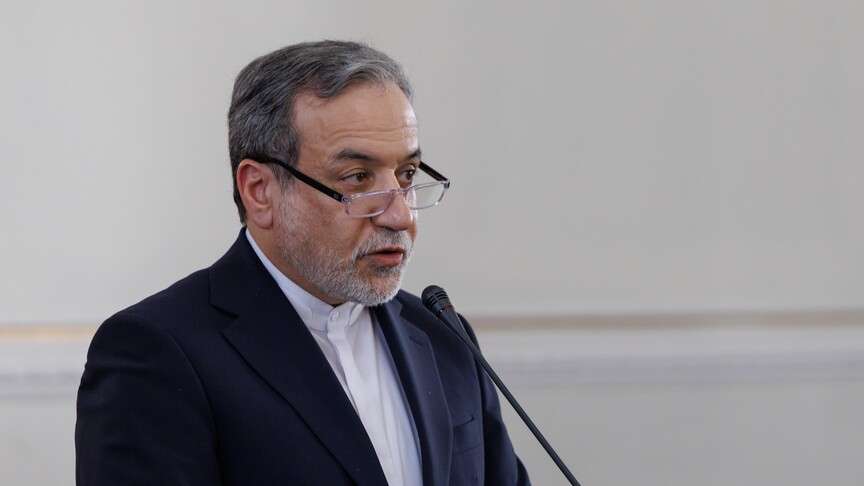
Iran’s Foreign Minister, Abbas Araghchi, has embarked on an official visit to Baghdad, aiming to engage in discussions with high-ranking Iraqi officials regarding various bilateral and regional matters. The visit underscores Iran’s strategic interest in strengthening ties with Iraq amidst ongoing geopolitical tensions in the region.
Key Objectives of the Visit
Araghchi communicated his agenda via a Telegram post, noting that he would be addressing critical topics related to Iran-Iraq relations. Among these, arrangements for a memorial service for the late Islamic Revolution leader, Ali Khamenei, at revered shrines in Iraq are significant. Khamenei’s death on February 28, 2026, during a conflict initiated by the U.S. and Israel, has heightened the urgency of this visit.
The diplomatic talks come on the heels of a temporary agreement aimed at ceasing hostilities between the U.S. and Iran, following an intense 60-day negotiation period geared toward a more enduring solution. This backdrop sets a challenging context for diplomatic discussions, as intermittent skirmishes have continued to mar the peace process. Recent U.S. military actions targeting southern Iran have drawn a retaliatory response from Iranian forces, further complicating the situation.
The Importance of Iraq for Iran
Iraq holds significant strategic importance for Iran, serving as a vital ally in the region. The two nations share deep historical and cultural ties, which have been essential for Iran in navigating its foreign policy in the post-ISIS Middle East. By engaging in dialogue with Iraqi officials, Araghchi aims to fortify bilateral relationships that can be pivotal in countering U.S. influence in the region.
This visit reflects a broader Iranian strategy that emphasizes diplomacy over military confrontation. By fostering closer ties with Iraq, Iran hopes to stabilize its western borders and reduce the risks posed by U.S. interventions. The discussions are likely to also touch on matters such as trade, security cooperation, and the strength of Shia political groups in Iraq, which have traditionally been sympathetic to Iranian interests.
Challenges Ahead
However, the road ahead is fraught with challenges. The political landscape in Iraq remains complex, with various factions having different stances on relations with Iran. Additionally, the aftermath of Khamenei’s death remains a sensitive topic. Given the ongoing U.S.-Iran tensions, any agreements reached during this visit will need to carefully navigate the various interests at stake.
The effectiveness of this diplomatic initiative will largely depend on the willingness of both Iranian and Iraqi officials to genuinely engage in discussions and find common ground. As the situation evolves, the interactions during this visit will be pivotal in shaping the future of Iran-Iraq relations and their roles within the broader geopolitical context.
In conclusion, Araghchi’s trip to Baghdad represents a significant opportunity to strengthen diplomatic ties amidst a tumultuous regional backdrop. The outcomes will be closely observed, not just by Iran and Iraq, but also by other players involved in the Middle Eastern geopolitical landscape.