
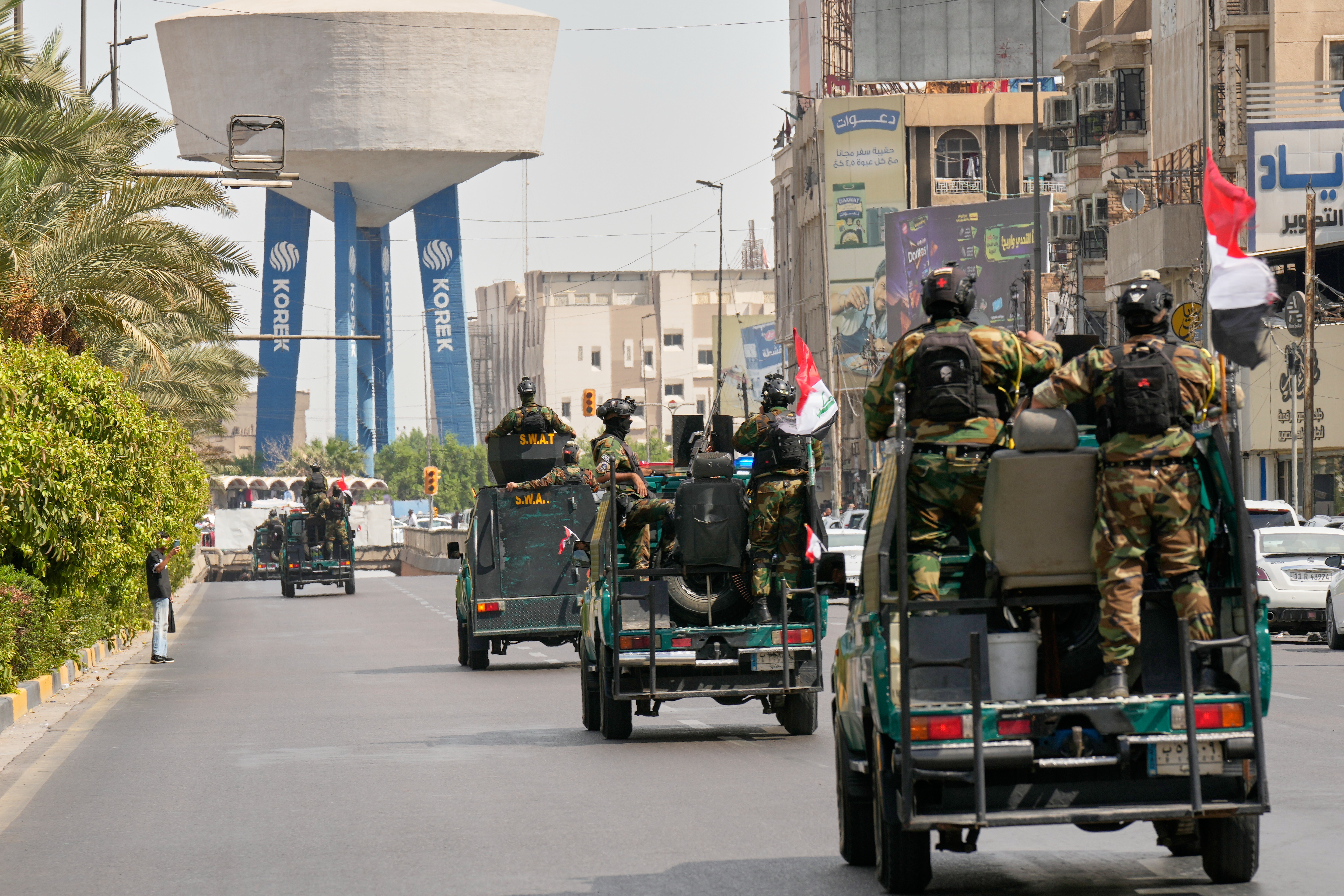
The recent withdrawal of U.S. forces from Iraq has been met with enthusiastic support from Iran’s Revolutionary Guards, who consider it a significant achievement. This move has sparked conversations about the future of U.S. military presence in the Middle East and its implications for the region.
Impact of U.S. Troop Withdrawal on the Middle East
The exit of U.S. troops from Iraq marks a pivotal moment in Middle Eastern geopolitics. Iranian military officials have openly celebrated this event, claiming it signifies a historic victory not only for Iraq but also for Iran’s broader strategic interests in the region. This development raises questions about the shifting power dynamics and the potential for increased Iranian influence in Iraq and possibly beyond.
Local reactions to the withdrawal are mixed. While some rejoice at the departure of foreign troops, others express concerns about the power vacuum that may arise. This situation could lead to renewed sectarian conflicts or even empower extremist groups that may seek to exploit the decline of American military oversight.
Iran’s Aspirations and Growing Influence
By heralding the withdrawal as a splendid achievement, Iran’s Revolutionary Guards aim to bolster their standing both domestically and in the wider Middle East. Their message not only underscores their military prowess but also signals Iran’s aspirations to extend its influence throughout the region. This could lead to a realignment of alliances and a shift in policy dynamics as countries adjust to a new balance of power.
Iranians believe that as U.S. forces leave, the responsibility for securing stability will fall upon local entities, which could further benefit Iranian interests. With fewer constraints from American military presence, Iran might significantly enhance its strategic positioning in neighboring countries like Syria and Lebanon, where it already maintains strong ties.
The Future of U.S. Military Presence
The ramifications of this withdrawal will likely extend beyond Iraq’s borders. U.S. officials have been pondering the future of military commitments in the region, especially given the complex relationships with allies and adversaries alike. There’s an ongoing debate about whether further troop reductions should be initiated in countries such as Afghanistan, Syria, and elsewhere in the Middle East.
Advocates for continued U.S. presence argue that leaving now might jeopardize the stability achieved over the years, while others push for a reevaluation of America’s military engagements based on evolving geopolitical realities. Striking the right balance between military readiness and diplomatic solutions remains a challenge for policymakers in Washington.
As the U.S. military steps back, it will be imperative to keep an eye on the developments in Iraq and the broader Middle East. The conflict-laden history of the region, combined with the new realities emerging from the troop withdrawal, indicates that the coming months and years could witness significant shifts in alliances, security dynamics, and potential conflicts.
In conclusion, Iran’s celebratory reaction highlights the complexities surrounding U.S. military strategy in the region. The implications of this withdrawal are far-reaching and will require careful consideration by all parties involved as they navigate an evolving geopolitical landscape.