
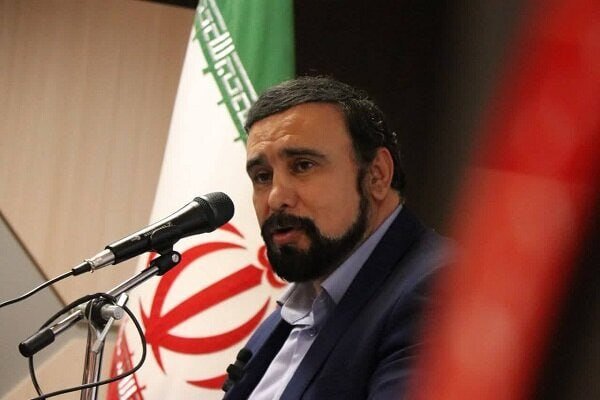
In a recent gathering in Tehran, Iranian officials highlighted the legislative measures taken in support of women and families, suggesting they could offer valuable insights for Iraq. This dialogue, which featured prominent lawmakers from both nations, aimed to foster collaboration and exchange knowledge on enhancing the legal framework for women’s rights and family protection.
Shared Cultural Foundations and Legal Frameworks
Nader Nourouzi, the Iranian Parliament’s deputy for legal affairs, underscored the interconnected cultural and religious backgrounds of Iran and Iraq during the joint meeting. He pointed out that these shared values lay the groundwork for meaningful comparative studies in legal practices. Nourouzi emphasized that Iran’s constitution promotes the empowerment of women, focusing on their material and spiritual rights. This legislative focus encompasses essential aspects of family life, including child custody, maternity support, and tailored insurance policies that protect vulnerable groups such as widows and the elderly.
Progressive Legislation in Iran
One of the key legislative elements discussed was Iran’s 2013 Family Protection Law. This law seeks to address various facets of spousal relationships and family litigation while providing critical safeguarding measures for women at risk. It also incorporates mechanisms for reconciliation and counseling before engaging in court proceedings. Furthermore, Iran’s legal framework includes provisions aimed at supporting families, childbearing, and working women. The Civil Code specifically addresses the duties of spouses and outlines the interventions necessary for children without guardians or those in precarious situations, thereby lending support from judicial, prosecutorial, and welfare organizations.
Collaborative Efforts and Future Plans
During the discussions, Nourouzi offered to share Iran’s legislative documentation and resources with Iraq to aid in legal improvements. Hosted by MP Somayeh Rafiei, the meeting included influential figures such as Zahra Khodadadi, head of the Women and Family Faction, and Alieh Zamani Kiasari, chair of the Population and Family Committee. Iraqi officials, including former MP Hala Jaberi and Deputy Labor Minister Hoda Sajjad Mahmoud Shaker, were also present, fostering a collaborative spirit aimed at addressing common challenges.
Rafiei proposed the formation of a joint working group focused on women and family affairs to facilitate the ongoing exchange of legislative experiences. Meanwhile, Mohammadbeigi advocated for quarterly sessions to tackle issues related to social, cultural, and economic affairs affecting women and children in both nations.
Addressing Regional Challenges Together
Furthermore, the dialogue took on a broader context as participants reflected on regional dynamics. Several Iranian officials pointed out the vital role played by Iranian women and families in responding to external pressures faced by the country. They emphasized the importance of Iran-Iraq cooperation in addressing foreign influences that threaten regional stability.
As the meeting concluded, attendees agreed on the necessity of continuing the exchange of legislative documentation and establishing the proposed joint working group. This commitment represents a significant step toward enhancing the legal landscape for women and families in both countries, promoting shared growth and security in the region.