
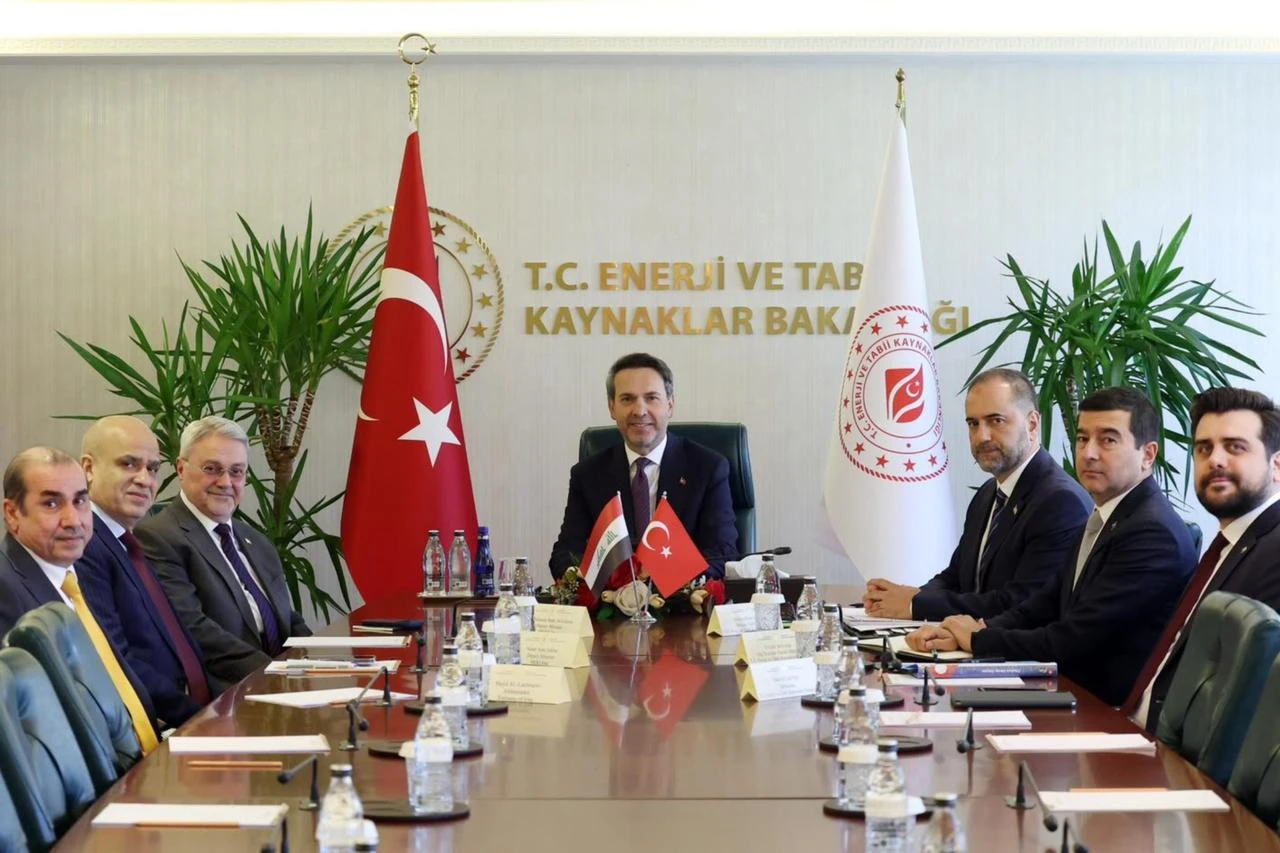
Iraq and Türkiye are on the brink of signing an interim protocol that aims to stabilize Iraqi oil exports before finalizing a new pipeline agreement. This development follows productive discussions in Ankara involving high-ranking officials from both nations, signaling a potential shift in their energy cooperation landscape.
Enhancing Energy Collaboration
An Iraqi delegation, led by key officials from the foreign and oil ministries, recently visited Ankara to explore the future of the Iraq-Türkiye pipeline. The talks focused on fostering deeper cooperation in oil exports and the broader energy sector. The delegation included notable figures like Undersecretary Mohammed Hussein Bahr Al-Uloom from the Foreign Ministry and Undersecretary Nasir Al-Hindawi from the Oil Ministry, along with Ambassador Majid Al-Lajmawi.
The meetings targeted critical ways to enhance energy cooperation that aligns with the strategic interests of both countries. They discussed advancing technical, legal, and logistical efforts. The Iraqi Foreign Ministry highlighted that the upcoming protocol would serve as a transitional measure aimed at ensuring the uninterrupted flow of Iraqi oil, particularly crude from northern regions. As a temporary solution, this protocol is set to facilitate a new pipeline agreement that is expected to be finalized within a year following the expiration of the existing arrangement.
Impending Pipeline Changes
The current Türkiye-Iraq crude oil pipeline agreement, established in 1973, is set to expire on July 27, 2026, marking over five decades of operations. The Iraqi government has recently sought a one-year extension for negotiations on a successor agreement. However, Türkiye has reportedly turned down the extension request, emphasizing that the existing agreement is outdated and doesn’t reflect contemporary commercial and legal environments. This shift signals a need for a more modern contract to address the realities both countries face today.
This transition comes after a significant disruption in oil flows due to an arbitration ruling that required Türkiye to pay Baghdad $1.5 billion over unauthorized Kurdish oil exports. It was only late last year that exports from northern Iraq’s oil fields resumed. A subsequent arbitration case concerning shipments from 2018 remains unresolved, adding to the complexities of the situation.
Strategic Use of the Kirkuk-Ceyhan Pipeline
Utilizing the 970-kilometer Kirkuk-Ceyhan pipeline effectively has become a pressing priority for Türkiye. The pipeline, which features dual lines with a combined capacity of nearly 1.5 million barrels per day, connects oil fields managed by both the Iraqi government and the Kurdish authorities to Türkiye’s Mediterranean export terminal at Ceyhan. This link allows direct access to international markets, boosting the potential for increased energy trade.
The renewed focus on northern oil exports follows a recent agreement between Baghdad and the Kurdish Regional Government, which permits federal crude from the Kirkuk oilfields to be exported through Kurdish pipelines to Türkiye. Current export rates stand at an initial 170,000 barrels per day, with expectations for this to rise to 250,000 bpd in the upcoming phases. Looking ahead, plans have been announced to increase throughput significantly, potentially reaching 770,000 barrels per day within a few months.
As discussions progress, Turkish officials have suggested furthering energy cooperation, including the possibility of extending pipeline infrastructure further south into Iraq towards Basra, the largest oil-producing region of Iraq. This initiative would not only solidify the energy bond between Iraq and Türkiye but also enhance the stability of energy exports in the region. The unfolding scenario showcases both countries’ attempt to navigate through complex dynamics for mutual benefit in the oil sector.