
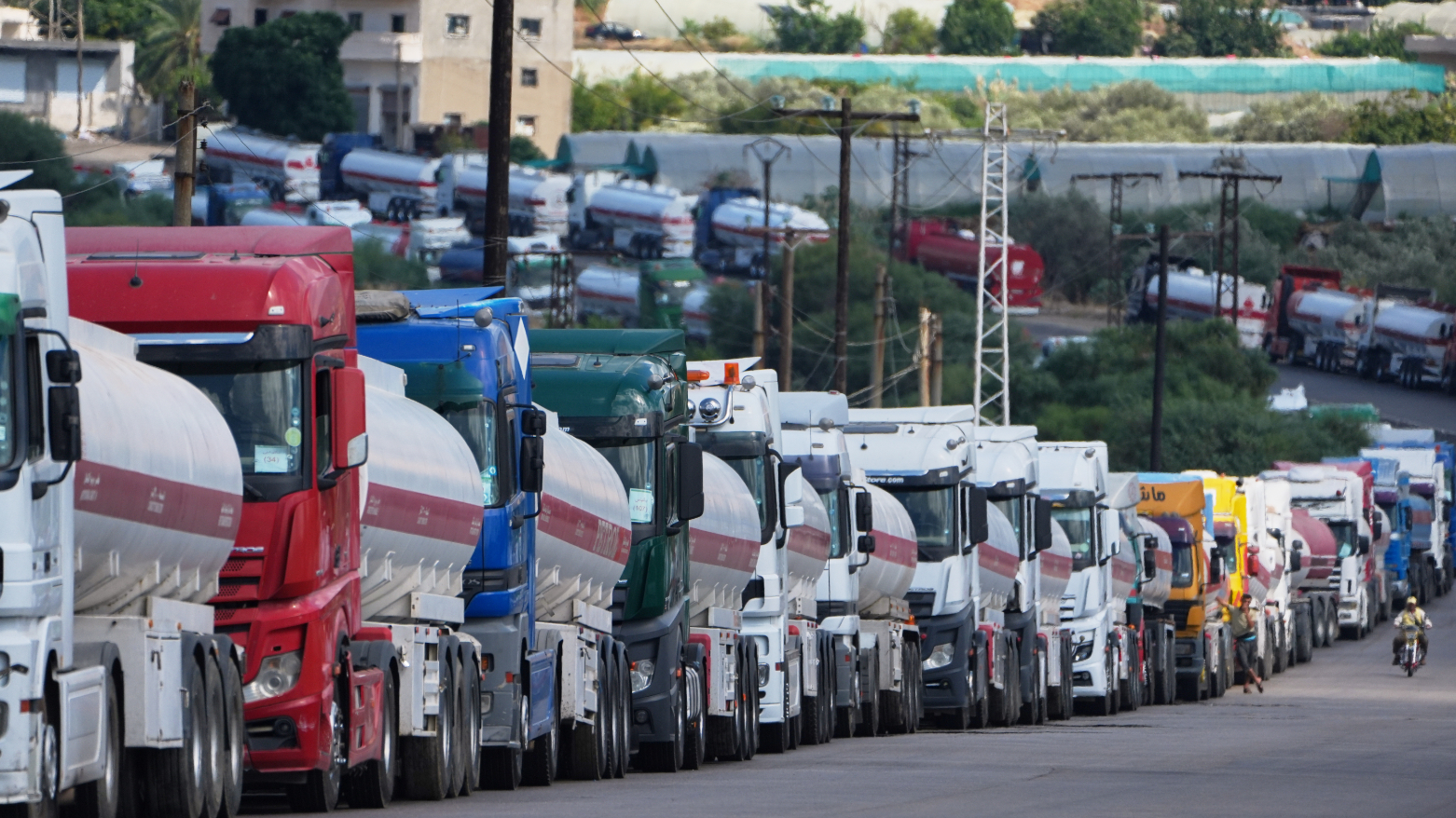
Iraq’s Oil Ministry has yet to confirm reports of attacks on fuel tankers originating from Syria, creating unease regarding the security of a vital supply route. This corridor is essential to alleviating Iraq’s gasoline shortage, and concerns are mounting over the safety of the shipments.
Security Concerns Along the Supply Route
In statements made to Kurdistan24, Salim al-Rukabi, spokesperson for the Oil Ministry, acknowledged awareness of the unverified reports but emphasized that no formal confirmation of any attacks has been received. Speculations have surfaced claiming that ambushes may have been strategically placed along the tanker routes. According to the agreements concerning these shipments, protecting the convoys while they are in Syrian territory falls under Syrian jurisdiction. Rukabi stresses the importance of tankers reaching Iraq without facing security issues.
The potential threat to these fuel tanks is particularly pertinent as Iraq has recently increased its reliance on imports from Syria to fill a significant gap in its gasoline supply. Baghdad began these imports in September after local production levels failed to meet demand. The initial batch of 57 tankers arrived from Syria on September 24, and the goal is to boost deliveries to as many as 200 tankers each day.
Gap in Domestic Gasoline Production
Iraq faces a daily gasoline consumption of approximately 32 to 33 million liters, while domestic refining yields only about 27 to 28 million liters. This results in a deficit of several million liters each day, underscoring the urgency of securing alternative supply routes. The imports from Syria, supplemented by other avenues, aim to bridge this gap and fortify the country’s strategic petroleum reserves.
Any disruption in the transportation of these shipments might exacerbate the existing supply issues. While the Oil Ministry has yet to confirm reports of attacks, these incidents highlight a notable weakness within the framework of cross-border fuel imports: commercial contracts alone cannot guarantee the safety of transport corridors.
Challenges in Maintaining Secure Transport Corridors
The border regions between Syria and Iraq have long been plagued by conflict and instability, making the protection of drivers, vehicles, and cargo a priority. Moreover, an attack on a tanker poses risks that extend beyond the immediate loss of fuel—it can also result in fires or explosions.
Despite being a significant crude oil producer, Iraq grapples with a structural shortfall in refined gasoline. The issue lies not in the availability of crude oil, but rather in the inadequate capacity to refine sufficient volumes for domestic use. Aging infrastructure, limited refining capabilities, and rising consumer demand contribute to this persistent divide.
Consequently, Iraq is currently dependent on imports to mitigate its fuel shortages, which adds further importance to the security of the Syria-Iraq transport corridor. Rukabi has indicated that Baghdad expects Damascus to guarantee safety for the convoys until they fully enter Iraqi territory. However, until any official confirmation is received regarding the reported incidents, the situation remains uncertain. The Oil Ministry is adopting a monitoring stance and underscoring that the responsibility for securing the tankers in Syria rests with local authorities there.
In summary, while the need for Syrian gasoline supplies remains critical for Iraq’s energy needs, ensuring the security of these shipments is imperative for the country to overcome its ongoing fuel crisis effectively.