
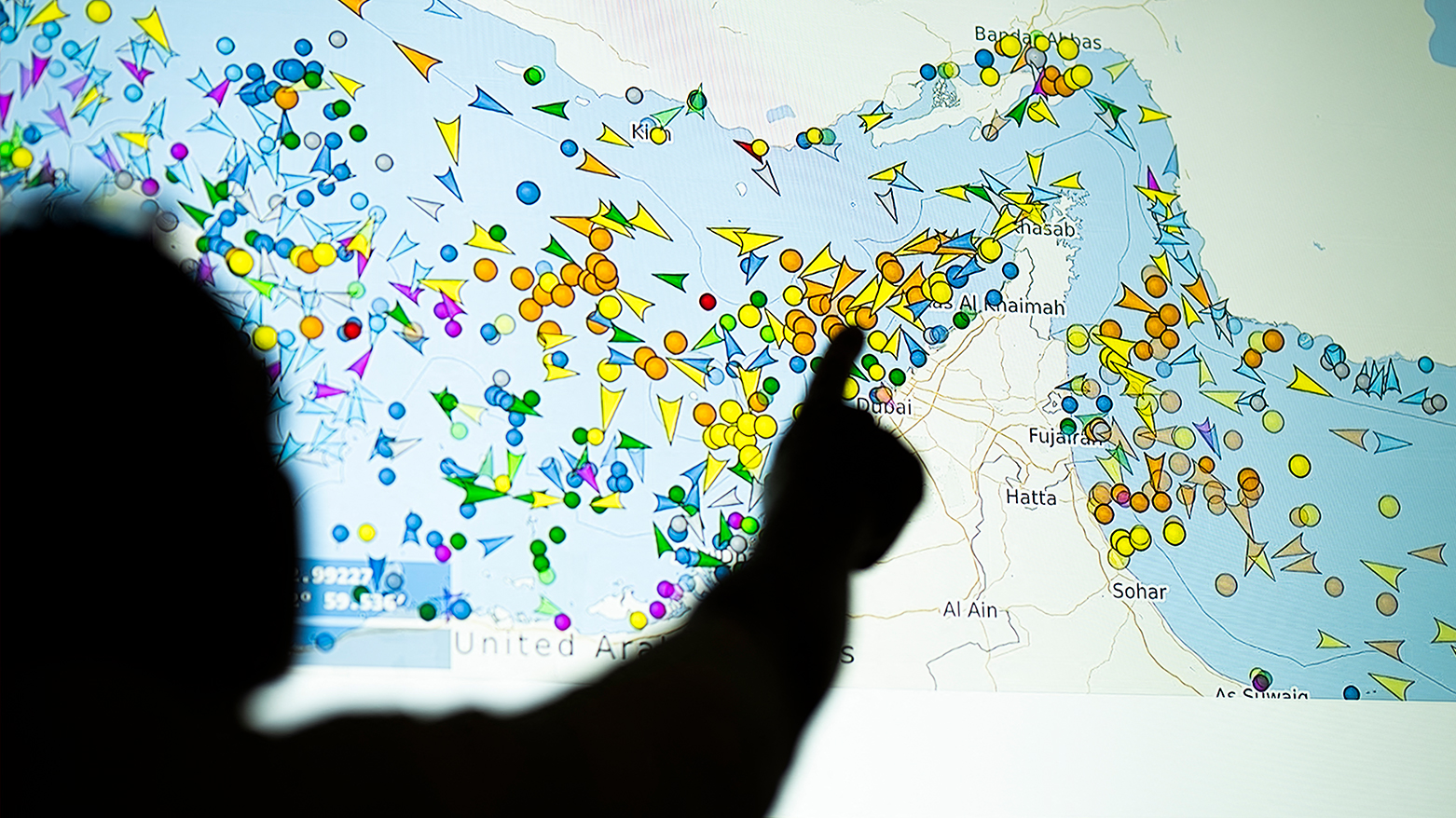
Iraq is poised to restore its oil exports swiftly through the Strait of Hormuz, despite the ongoing complexities of regional security. Following recent escalations involving Iran, the United States, and Israel, Baghdad’s Oil Ministry has articulated its readiness to resume operations, contingent on restoring stability in the crucial maritime corridor.
Iraq’s Oil Export Capacity
On Sunday, Iraq’s Oil Ministry highlighted its ability to return crude oil exports to prior levels within a week if the Strait of Hormuz, a vital waterway for global oil shipments, becomes secure. Deputy minister Bassam Mohammed Khudair emphasized that Iraq can operate at full capacity and noted that before the recent tensions, the nation was exporting approximately 3.4 million barrels of oil each day.
With an actual production capacity of 4.2 million barrels per day, Iraq is keen to utilize this potential. Khudair pointed out that timely restoration of navigation through the Strait of Hormuz is crucial for the country to return to these export levels quickly. He mentioned that two crude oil tankers are prepped for movement, and authorities are anticipating the arrival of two additional vessels.
Impact of Regional Tensions
Despite these preparations, the timing of these tankers’ departures hinges on the broader regional security dynamics. Khudair reiterated the correlation between vessel movement and the stability of the area’s security situation. The Strait of Hormuz has emerged as a focal point for global energy markets, especially after the intensity of regional conflicts spiked recently.
The turmoil escalated on February 28, correlating with increased hostilities following military operations against Iran led by Israel and the United States. As a result, maritime trade routes face significant strains, raising concerns across the global energy sector. While Iraq is optimistic about restoring normal export functions, the prevailing uncertainty linked to regional security remains a pressing issue.
Future Projections
U.S. President Donald Trump addressed the situation earlier on Sunday, indicating that military operations against Iran might continue for another two weeks and that additional targets could be struck. He claimed Iran had experienced military setbacks but insisted that the conflict isn’t fully resolved. The U.S. has reportedly achieved about 70 percent of its military objectives concerning Iran, maintaining the option for further strikes.
Given these circumstances, the Strait of Hormuz remains critical for ensuring a steady flow of oil to global markets. The prospect of increased tensions continues to overshadow Iraq’s plans to enhance its export capabilities. Market participants and observers are keenly aware that the region’s security landscape will significantly influence both oil prices and overall market stability going forward.
As Iraq navigates these turbulent waters, the global energy community will be watching closely. The successful resumption of oil exports will depend largely on diplomatic developments and the stabilization of the Strait of Hormuz, which plays an essential role in international oil transportation.