
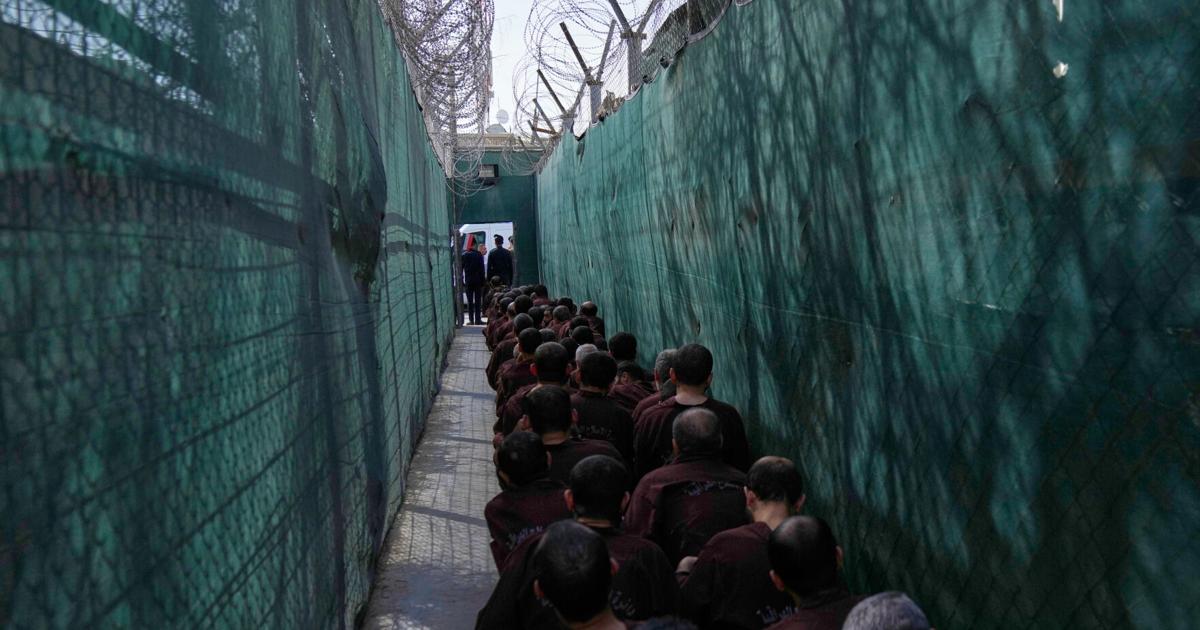
Iraq has firmly rejected a proposal from Syria to return thousands of suspected members of the Islamic State who were moved from Syrian detention facilities to Iraqi control earlier this year. This decision is rooted in significant security concerns and underscores the complexities of regional cooperation in combating terrorism.
Syria’s Request for Repatriation
Syria’s request aimed to facilitate the return of individuals it claims are its citizens, held in Iraqi facilities. The Syrian government argues that by repatriating these suspects, it can better manage the threat posed by lingering jihadist elements within its borders. However, Iraq’s response highlights the intricate nature of cross-border security issues and the longstanding territorial and political tensions between the two nations.
Iraq’s Position on National Security
Qasim al-Aboudi, Iraq’s National Security Advisor, has emphasized that allowing the return of these individuals could pose severe risks to national security. Iraq has faced its own battles against the Islamic State, and many officials remain deeply cautious about any potential resurgence of extremist activities within its territory. The rise of ISIS had previously led to significant devastation, and the Iraqi government is determined to prevent any re-emergence of such groups.
The Challenges of Regional Cooperation
The denial also reflects broader challenges in regional cooperation related to security matters. Both Iraq and Syria grapple with their own internal issues, including political instability and ongoing conflicts. These challenges complicate efforts to establish a cohesive strategy for addressing shared threats. A fractured approach to handling the remnants of the Islamic State may weaken the effectiveness of counterterrorism initiatives in the region, making it more complicated to achieve lasting peace and security.
Implications for the Future
The impasse over the repatriation issue raises questions about the future of both countries’ strategies in dealing with terrorism. It’s evident that both Iraq and Syria will need to navigate their respective challenges carefully, fostering a balance between national interests and cooperative efforts. Without effective collaboration, there is a risk that extremist groups may exploit gaps in security, further complicating an already volatile political landscape. The situation remains fluid, with both nations potentially facing significant ramifications stemming from their handling of former IS members.
In conclusion, Iraq’s rejection of Syria’s repatriation request marks a pivotal moment in the ongoing battle against Islamic State remnants. As both countries continue to grapple with the complexities of regional security, the situation highlights the delicate balance required to maintain safety in a continually evolving political context. Enhanced dialogue and cooperation may be necessary to forge a more unified front against the threats posed by remaining extremist factions in the region.