
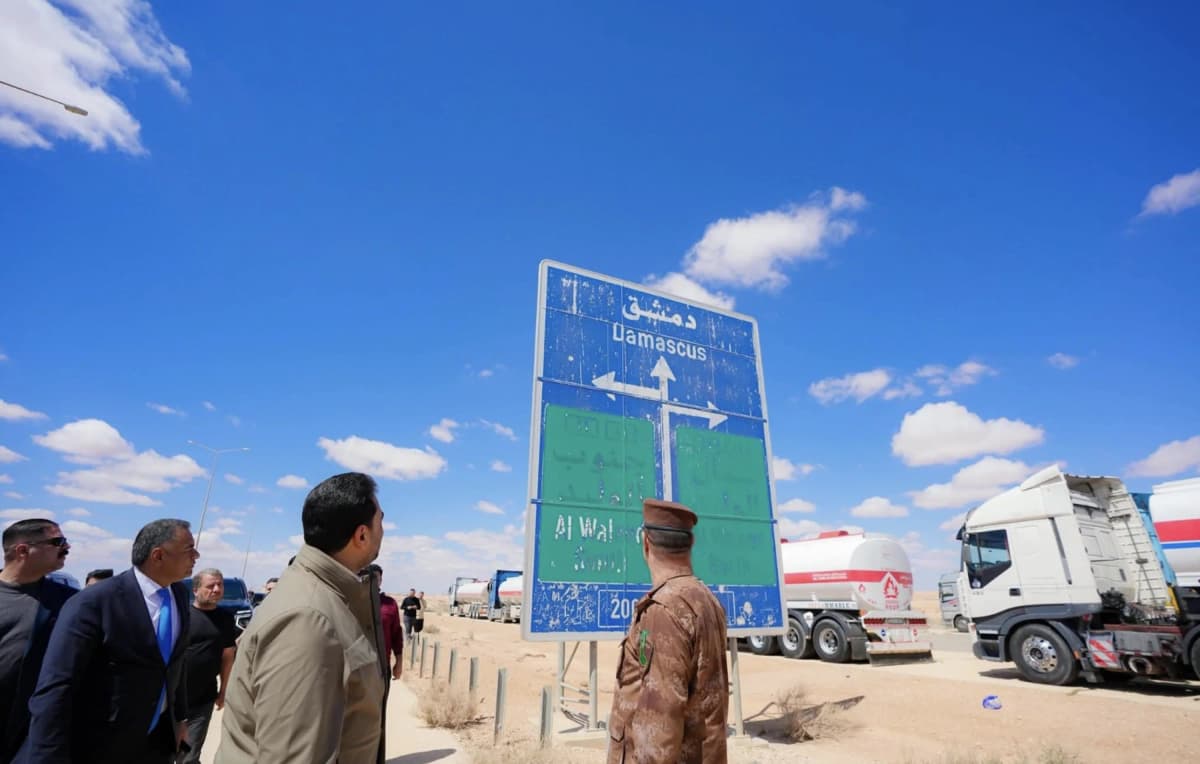
Iraqi Prime Minister Ali al-Zaidi recently announced an investment of over $12 million aimed at enhancing three key border crossings as part of the country’s efforts to expand its trade routes. The Iraqi Border Ports Authority highlighted that these initiatives come as trade levels have reached unprecedented heights, prompting the government to diversify export pathways in response to recent disruptions in regional commerce.
Investment in Key Border Crossings
During his visit to the Border Ports Authority, the Prime Minister specifically allocated approximately 16 billion dinars ($12.2 million) to develop the Rabia, al-Waleed, and Safwan border crossings. According to Aladdin al-Qaisi, a spokesperson for the authority, this funding will facilitate important infrastructure projects designed to bolster the country’s trade capabilities. The Rabia and Al-Waleed crossings, which opened last April, initially saw limited commercial activity but have since experienced a significant surge in trade following the closure of alternative routes, especially due to developments affecting the Strait of Hormuz.
Increasing Trade with Syria
The goal is to capitalize on the increasing trade levels between Iraq and its neighbor, Syria. The Iraqi government has made it clear that there’s been a notable rise in commercial exchanges, with these interactions reaching their highest levels to date. This shift is critical for Iraq as it seeks to adapt and thrive amid changing geopolitical landscapes.
H2>Driving Economic Growth through Export Diversification
Iraq’s strategy to diversify its export routes stems from disruptions caused by ongoing conflicts and geopolitical tensions, impacting vital waterways like the Strait of Hormuz. Previously, this strait served as a main channel for over 90% of Iraq’s oil exports. With maritime traffic now heavily restricted, the country has turned to land-based transportation solutions. Oil is presently exported to Syria via tankers, with approximately 1,500 tanker trucks operating daily. This model not only secures a viable trade route but also provides income to around 3,000 truck drivers and bolsters local businesses along the transit path.
This diversification strategy further includes the export of construction materials and sulfur to Syria, in return for agricultural products and other essential goods. Such reciprocity in trade supports Iraq’s economic recovery, which remains crucial for the livelihoods of its citizens.
Strengthening Bilateral Relations
In an effort to enhance the economic ties between Iraq and Syria, the heads of the chambers of commerce from both nations recently signed a memorandum of understanding. This agreement is designed to promote increased trade and investment between the two countries. It aims not just to deepen economic cooperation but also to position both Iraq and Syria as strategic partners in the regional trade landscape.
Such steps are vital for developing both countries’ economies, particularly under the shadows of past conflicts and existing geopolitical challenges. As Iraq continues to leverage its resources, such as its vast sulfur reserves, the potential for enhanced trade and investment opportunities could pave the way for a more prosperous future.