
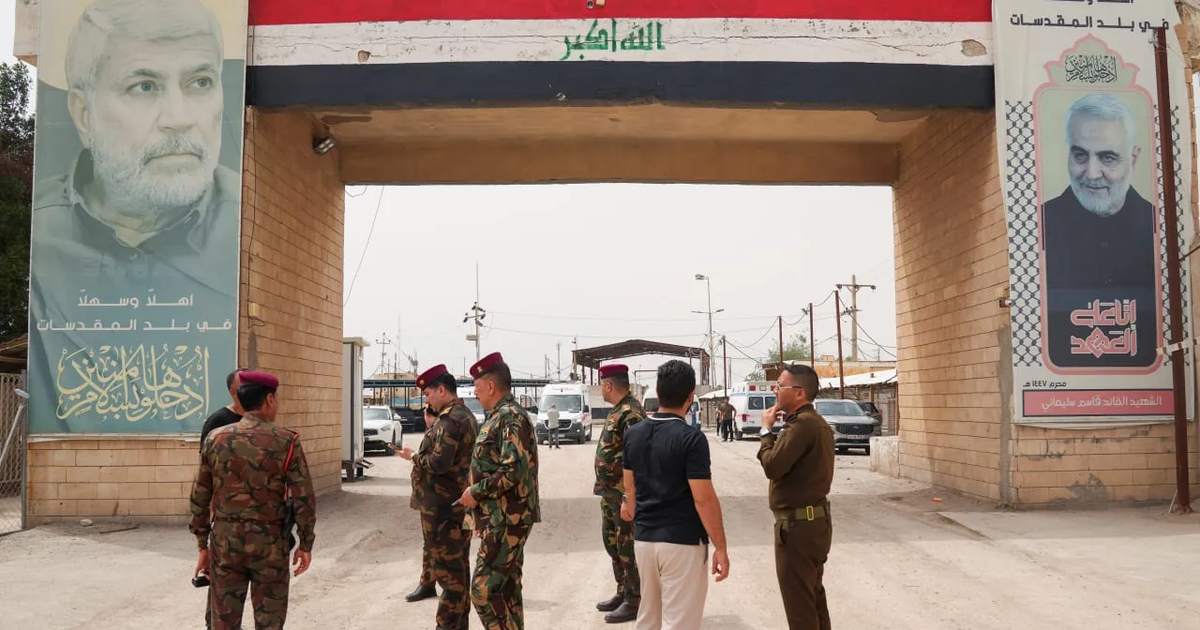
Yadollah Javani, the political deputy of the Revolutionary Guards, recently issued a warning regarding the critical internet cables in the Strait of Hormuz. He cautioned that if Iranian infrastructure were to be attacked, these cables could become targets as well. While the Strait of Hormuz is recognized as a pivotal route for global oil and gas shipments, its role in international internet traffic is less significant than one might think.
The Role of Submarine Cables in the Strait of Hormuz
Research from the International Cable Protection Committee (ICPC) reveals that the Strait of Hormuz houses five active submarine cable segments, which contribute to less than one percent of the world’s international bandwidth. Telecommunications firm TeleGeography highlights the presence of three main cable systems in this region: Asia Africa Europe-1 (AAE-1), FALCON, and Gulf Bridge International (GBI). Notably, the majority of data transfers between Europe and East Asia primarily traverse through the Red Sea, indicating that the strategic significance of Hormuz does not extend to dominating internet traffic at a global level.
Impact on Regional Connectivity
The submarine cables that cross the Strait of Hormuz have been primarily routed through Omani waters due to various political considerations. This routing means that an attack on these cables would mainly jeopardize connectivity for countries bordering the Persian Gulf, such as Bahrain, Qatar, Kuwait, and the United Arab Emirates. While these nations have alternative terrestrial connections, any disruption could significantly affect their regional communication networks. In contrast, Saudi Arabia relies less on these cable systems; much of its international bandwidth flows through routes along the Red Sea.
Cable Damage and Internet Access
Despite the potential consequences of damaging submarine cables, it is crucial to note that the global internet does not rely on a singular network. Telecommunication operators employ multiple submarine and terrestrial routes to manage data transfer, allowing them to redirect traffic when certain connections fail. Although rerouting can lead to slower speeds and increased latency, complete disconnection is not inevitable. Mehdi Saremifar, a technology expert, argues that threats against these submarine cables by Iranian officials are largely rhetorical, noting that the actual volume of international traffic flowing through the Strait is minimal.
Legal Protections and Threat Realism
International law also offers considerable protections for submarine communications cables. The United Nations Convention on the Law of the Sea and principles of international humanitarian law render them as civilian infrastructure, thereby restricting intentional attacks unless they meet specific military objectives. Consequently, while Javani’s warnings highlight potential vulnerabilities, they often overlook the technical and legal frameworks that mitigate the risk of widespread internet outages. With the availability of alternative routes for data transmission, even significant damage to cables in the Strait of Hormuz would likely not culminate in a global internet collapse but would primarily affect regional connectivity for Gulf states and businesses reliant on such infrastructure. Thus, while threats against submarine cables exist, the realistic implications are more nuanced than depicted by the Revolutionary Guards.