
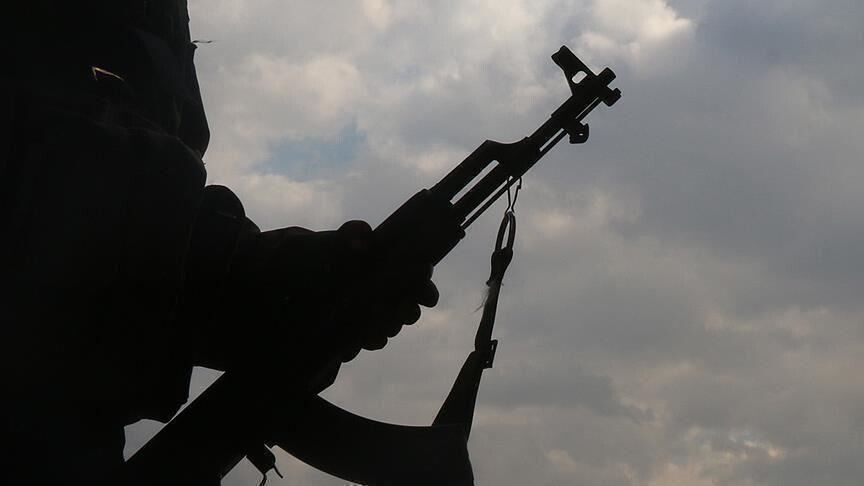
The Iraqi government has announced a firm deadline for disarming armed factions, a significant step aimed at enhancing the nation’s stability. According to government spokesman Haider al-Aboudi, the deadline is set for September 21, marking a crucial juncture for various militias operating within Iraq.
Deadline for Disarmament
The Iraqi administration has reached a pivotal moment as it demands that armed groups relinquish their weapons to state authorities by September 21. This decisive move is an essential part of Iraq’s efforts to consolidate power and reinforce the rule of law, ensuring that all factions align with the government’s directive. Al-Aboudi emphasized the importance of this deadline, indicating its ties to the broader strategy of stabilizing the country and enhancing its governance structure.
International Coalition Withdrawal
Alongside the disarmament deadline, the Iraqi government has linked this event to the planned withdrawal of the international coalition forces. Al-Aboudi noted that September 21 would serve as the cessation date for these external military presences, reflecting Iraq’s growing capacity to maintain security independently. This development signifies a major shift in the international community’s role in the region, aiming for a transition to a more self-reliant Iraq.
Iran’s Request for Funeral Ceremonies
In an unrelated but significant announcement, the Iraqi government has granted permission for Iran to hold funeral ceremonies for the late Supreme Leader Ali Khamenei in Iraq. This service is scheduled for July 8 and is expected to take place at various holy shrines within the country. Iranian Foreign Minister Abbas Araghchi has stated that Tehran will collaborate with Iraqi authorities to coordinate the arrangements for the procession, underscoring the intricate ties between the two nations.
Future Implications
The combination of these announcements illustrates the evolving dynamics within Iraq’s political landscape. By setting a clear deadline for disarmament, the government is not only attempting to wrest back control from armed factions but is also signaling its commitment to enhancing governance and restoring public trust. The planned withdrawal of international forces indicates a pivotal shift towards national sovereignty, which could lay the groundwork for future stability.
In summary, these developments greatly impact Iraq’s trajectory. The disarmament deadline serves multiple purposes: it acts as a catalyst for governance reform while signaling to the international community that Iraq is ready to uphold its security interests. The coordination surrounding Khamenei’s funeral further exemplifies the delicate balance of regional relationships and the complexities of Iraq’s geopolitical landscape. As these events unfold, they will undoubtedly shape the future of Iraq and its position in the region.