
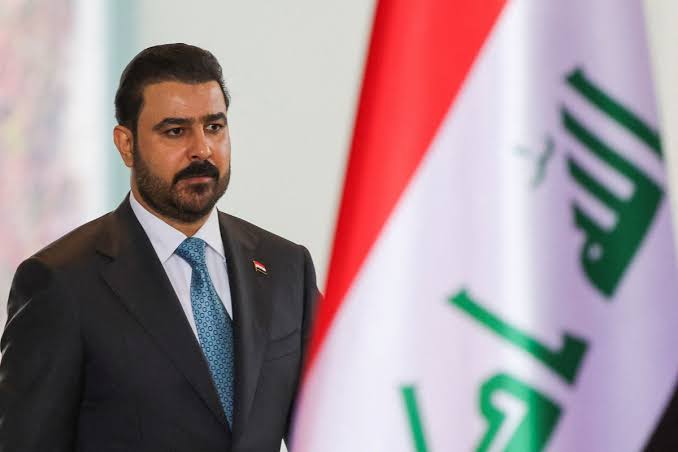
Iraq has set an ambitious target to disarm militia groups that operate outside of state control by June 2027. This initiative is vital for the Iraqi government as it navigates the complexities of consolidating its authority, especially as the remaining U.S. forces prepare for their exit.
Rationale Behind the Phased Disarmament Plan
Iraqi Prime Minister Ali al-Zaidi announced that the deadline for disarmament has been pushed to June 30, 2027. This extension aims to link the disarmament of armed factions with the planned withdrawal of U.S.-led forces, scheduled for the end of September this year. The revised timeline signifies both the political and security challenges that Baghdad faces, particularly in convincing influential armed groups—many of which have ties to Iran—to surrender their weapons or integrate into official military structures.
The proposed approach introduces a phased method where armed groups would first adhere to a 90-day ceasefire. During this period, U.S. forces would avoid engaging in hostilities with these factions. Following this ceasefire, the Iraqi government would work on transitioning the weapons into a controlled state system, with the intention of completing this process by mid-2027.
International Support and Concerns
This situation has garnered international attention, notably from U.S. officials. Secretary of State Marco Rubio met with Al-Zaidi at the United Nations General Assembly, expressing support for efforts to dismantle militias that operate independently of Iraq’s official governance. He underscored the necessity of preventing attacks from within Iraqi territory, which could undermine the government’s sovereignty. During this dialogue, Rubio cautioned that Iraq risks fragmentation if these armed factions continue to exist outside of effective government control.
While some factions claim to be ready to put their weapons under state authority, more hardline elements demonstrate resistance. Groups like Kataib Hezbollah and Harakat Hezbollah al-Nujaba, which are closely allied with Iran, have linked their disarmament to the complete withdrawal of foreign forces. This complicates the question of compliance with the government’s revised disarmament timeline.
The Broader Implications for Iraq’s Stability
Faced with the looming deadline for U.S. troop withdrawal on September 30, the situation is increasingly urgent. Rubio indicated no plans to extend this deadline, which places a heavier burden on the Iraqi government to manage the delicate relationship between formal security institutions and these powerful militia factions. This task transcends the mere surrender of weapons. Many of these groups gained power during the battle against ISIS and now wield significant political, economic, and institutional influence.
Some factions have been integrated into the official Iraqi security forces, yet they continue to maintain varying degrees of independence and external connections. As Iraq approaches the June 2027 target date for full disarmament, it tries to tackle one of its core issues: can the state exercise effective control over armed forces without triggering further internal conflicts?
Although the withdrawal of U.S. military support may diminish some justifications for keeping weapons, it remains uncertain if the Iraqi government has the necessary political clout to execute the disarmament effectively. This challenge will ultimately define Iraq’s stability in a post-war landscape.