
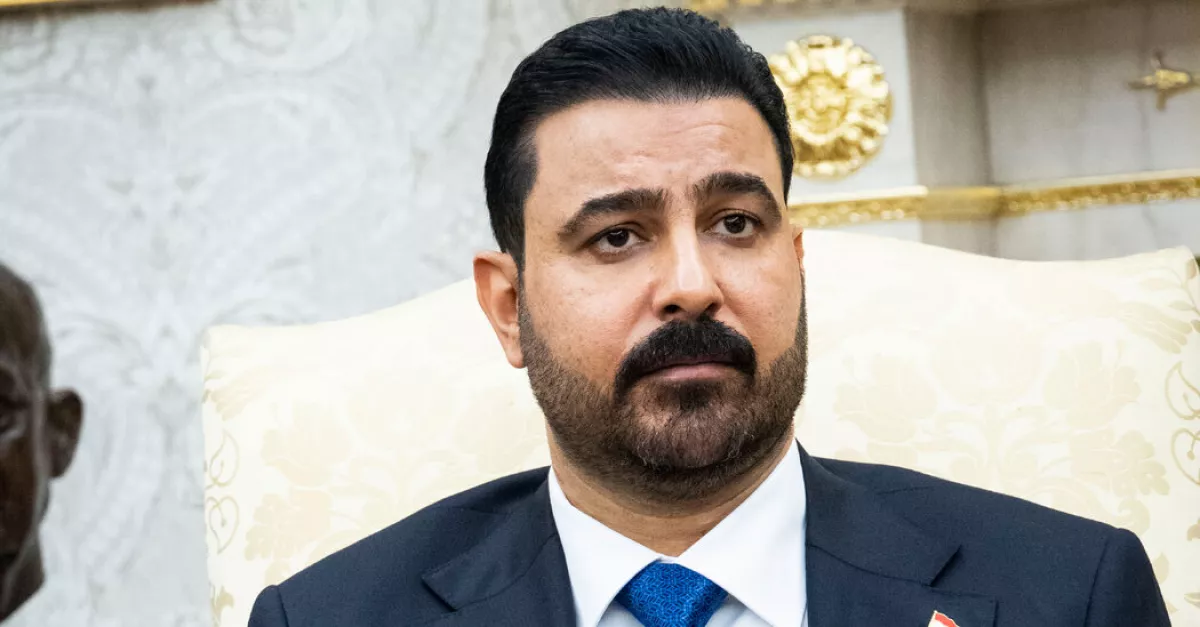
Iraqi Prime Minister Ali al-Zaidi has announced a bold initiative to disarm Iran-backed militias by June 2027. This ambitious timeline aims to consolidate control over the fractured landscape of armed groups operating in the country.
A Comprehensive Disarmament Strategy
In a recent interview with The New York Times, al-Zaidi unveiled a phased approach to disarmament that marks a significant challenge in Iraq’s complex political environment. The Prime Minister emphasized the urgency of this initiative, stating, “This is not something that is optional. It is a necessity.” His commitment comes at a time when pressure mounts from the United States, which has been a critical ally in the fight against extremist factions and seeks to limit Iranian influence within Iraq.
Al-Zaidi’s disarmament plan features a structured timeline aimed at bringing order to the militias that have long operated outside state control. The roadmap commences with a 90-day ceasefire, during which negotiations are expected to take place. Following the ceasefire, the government will initiate a process whereby these militias are compelled to surrender their arms. The ultimate goal is to completely dismantle independent armed groups and incorporate their personnel into the official Popular Mobilisation Forces, thereby centralizing military authority under the Iraqi government.
Challenges from Multiple Fronts
This initiative faces numerous challenges. Iran, Iraq’s neighbor, continues to exert influence over these militias, providing them with support and resources as part of a broader geopolitical strategy against U.S. interests in the region. Al-Zaidi recognizes the potential backlash, having noted that previous leaders have retreated on similar promises amid political pressures. However, he has vowed not to yield. “Others who spoke of this then backtracked,” he cautioned, indicating that his resolve is stronger than those who have come before him.
Al-Zaidi’s administration is also under scrutiny from the Trump administration, which regards curbing these Iran-aligned groups as crucial for Iraq’s stability. As political factions grapple with their allegiances, the Iraqi government must balance its ties with both the U.S. and Iran while maintaining the integrity of its own sovereignty.
Looking Ahead: A Test of Resolve
The deadline set for June 2027 could serve as a defining moment not just for Iraq, but for the broader Middle Eastern geopolitical landscape. If successful, it could reaffirm Baghdad’s authority and reduce Tehran’s leverage within Iraqi politics. Moreover, it would symbolize a shift towards a more unified national defense strategy that operates independent of outside influence.
As the world watches, the effectiveness of al-Zaidi’s approach will depend on his government’s ability to maintain unity amid divergent interests and potential dissent from militia groups. The disarmament plan’s success is not only a measure of internal stability but also a significant indicator of Iraq’s potential to navigate its complicated relationships with major powers like the United States and Iran.
The coming months will be critical as al-Zaidi’s government lays the groundwork for this transformative initiative, testing the strength of its political will in an intricate security landscape. Only time will reveal whether this ambitious disarmament vision can be realized.