
Iraq is currently facing significant financial challenges as it struggles to pay salaries for public sector employees for the month of July. This crisis stems from a critical shortfall in oil revenues brought on by the ongoing blockade of the Strait of Hormuz, a vital shipping lane for crude oil. The situation has sparked widespread concern about the country’s fiscal stability and its ability to meet essential financial obligations.
The Impact of Oil Revenue Declines
As the second-largest oil producer in OPEC, Iraq’s economy heavily relies on oil exports, which account for approximately 90% of its state budget. Unfortunately, oil exports have decreased drastically from around 100 million barrels in February to just 32.1 million barrels by May and June. This significant drop in exports has caused the government’s oil revenue to plummet from $6.8 billion in February to roughly $2.3 billion in the following months.
Iraq relies on about $6.5 billion per month for salaries, pensions, and social welfare payments, creating immense pressure on an already strained financial landscape. The declining revenue has not only impacted salaries but also critical commitments such as payments to energy companies, natural gas purchases from Iran, and obligations to bondholders and contractors. The Iraqi Finance Minister has formally requested a session with parliament to address these pressing financial challenges, emphasizing the need for urgent discussions on the state of public finances amid ongoing regional volatility.
Delayed Salaries and Future Solutions
Given the disruptions in oil exports, Iraqi officials have warned that timely salary payments may not be possible moving forward if this trend continues. One of the proposed solutions under consideration is to extend the salary payment schedule to every 45 days, indicating that the government will pay out salaries only as cash flow allows. This unprecedented step reflects the gravity of the situation, as it shows that even July’s salary payments might delay subsequent payments to employees.
The strain on the central bank’s foreign currency reserves has also raised alarms. Since the end of the previous year, reserves have fallen by 6.3%, reaching $91 billion by the end of May. This decline exacerbates the challenges faced by the Iraqi government in managing its financial obligations. If this pattern continues, it risks leading to widespread public dissatisfaction, potentially destabilizing a country already grappling with complexity brought on by external and internal conflicts.
Oil Export Developments and Strategic Adjustments
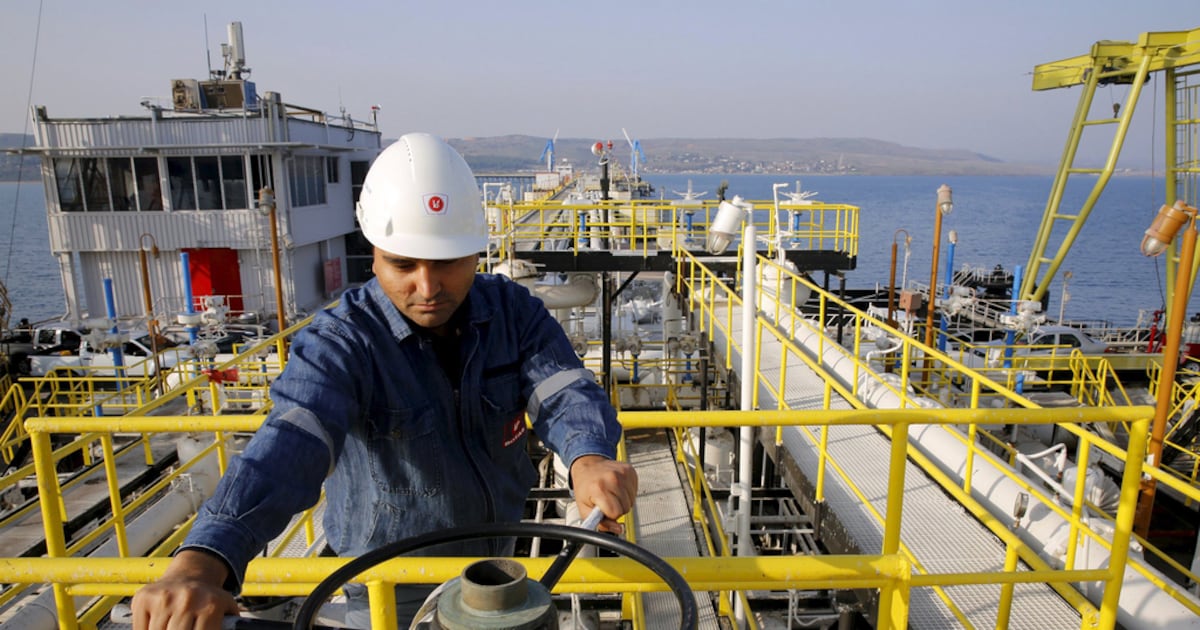
Despite these struggles, there is a glimmer of hope. In July, Iraq managed to increase its crude oil exports slightly, totaling approximately 42 million barrels. According to Ali Al Shatari, director general of the State Oil Marketing Organization, this increase was significant yet insufficient to meet the country’s economic aspirations. The government of Iraq is also focusing on enhancing oil exports through Turkey, having recently extended a critical oil export agreement to secure more favorable terms.
Under the new agreement, Iraq is expected to pump 750,000 barrels per day, with a tariff of $1.62 for oil transported through Turkey. This arrangement aims not only to bolster Iraq’s oil revenues but also to cover operational costs associated with pipeline maintenance. Nevertheless, the geopolitical landscape remains precarious due to ongoing conflicts and attacks in the region, posing risks to both domestic stability and international oil supply chains.
In summary, while Iraq is facing a challenging financial crisis marked by significant drops in oil revenues, recent attempts to stabilize exports and potential strategic partnerships with Turkey may provide a pathway forward. However, the underlying issues of fiscal mismanagement and regional conflict will continue to pose substantial hurdles that the Iraqi government must navigate carefully.