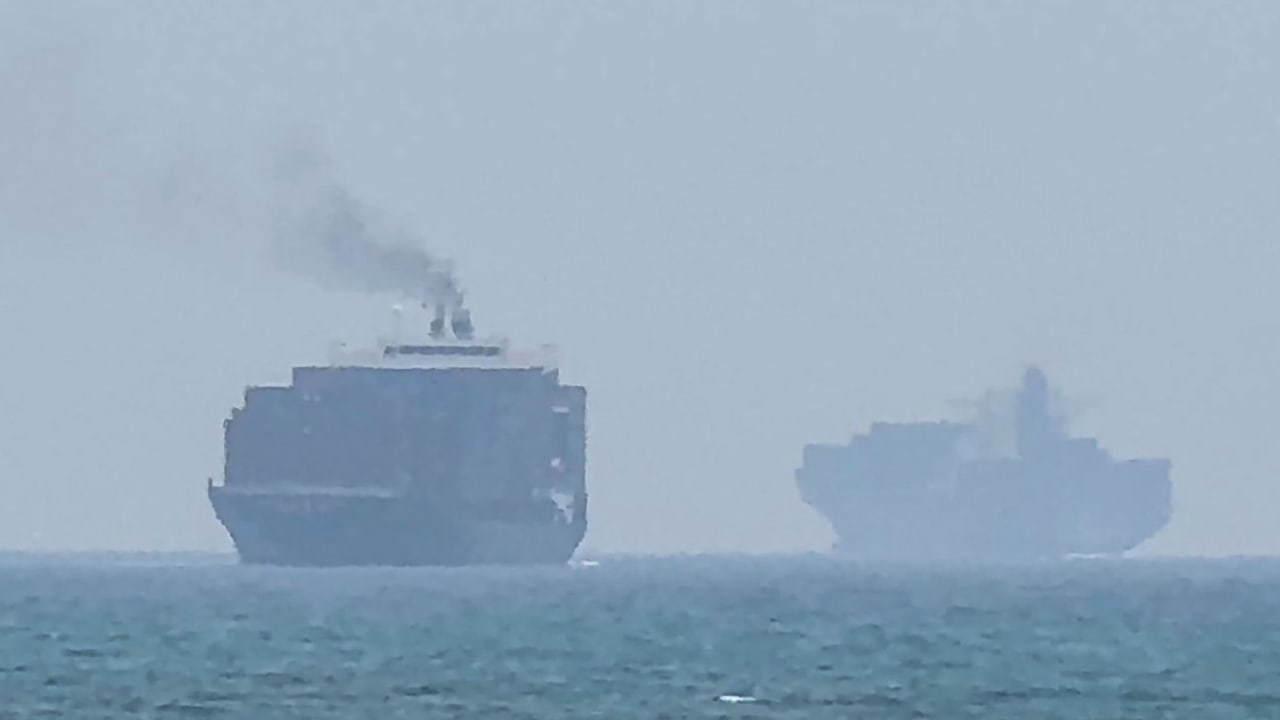
Iraq is currently facing a significant economic challenge as many public sector employees have reportedly not received their July salaries. This financial strain is largely attributed to ongoing disruptions in oil exports, which have been exacerbated by the closure of the crucial Strait of Hormuz.
Financial Implications of Oil Export Disruptions
The Iraqi government incurs an approximate monthly expenditure of $6.5 billion, covering salaries, pensions, and social support. A high-ranking official from the Finance Ministry recently stated that if the current export crisis persists, timely salary payments for public employees may become increasingly difficult. The official added, “We will pay whenever we have cash, or those who received their salaries on time for July might face delays in August.” In response to mounting pressures, there are discussions about shifting payment cycles to every 45 days.
The impact of these financial issues is evident in the dramatic decline of Iraq’s oil exports, which plummeted from around 100 million barrels a month in February to just 32 million barrels in May and June. Such a reduction not only aggravates the current salary crisis but also poses long-term risks to the nation’s overall economic stability.
Iraq’s Economic Recovery at Risk
Historically, Iraq has struggled with economic setbacks, primarily due to years of conflict. Despite recent improvements—such as a reported drop in poverty levels from 23% to 17.5%—the ongoing oil export crisis threatens to reverse these gains. Experts, including the Borgen Project, have expressed concerns about how these disruptions could hinder Iraq’s economic recovery.
Although Iranian authorities have suggested exemptions for Iraqi vessels in the Strait of Hormuz, the reality is that many vessels have faced attacks, making the situation even more precarious. For instance, incidents involving Iranian drone boats targeting commercial ships carrying Iraqi fuel have heightened these concerns.
Efforts to Mitigate Impact and Future Outlook
Faced with this crisis, the Iraqi government is actively attempting to cushion the economic blow. Efforts include a one-year agreement with Turkey to maintain oil exports via the Iraq-Turkey pipeline. Nevertheless, Iraq is still billions of dollars short due to the significant decline in oil export revenue. Authorities are also implementing price cuts to attract buyers, offering discounts of nearly $30 per barrel on Basra crude oil to encourage shipping despite the risks involved in the region.
Oil remains the backbone of Iraq’s economy, accounting for 90% of government revenue and over 53% of the Gross Domestic Product (GDP). Given the economic importance of oil, the current disruptions have created a ripple effect, manifesting as delayed salaries and mounting financial pressure on public services.
In summary, as Iraq’s economy grapples with these multifaceted challenges, ongoing efforts and adaptations will be critical to sustain public welfare while navigating the tumultuous waters of regional oil exports. The combination of strategic partnerships and financial adjustments may offer some relief, but the path toward economic stability remains complex and uncertain.