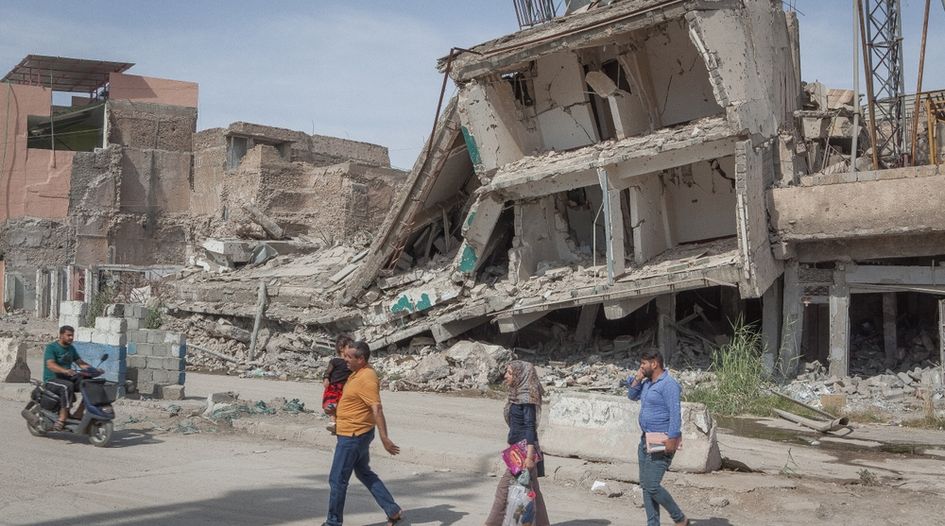
An arbitration tribunal has recently delivered a significant ruling regarding Iraq’s accountability in a dispute involving a Jordanian investor and a pharmaceutical facility that fell victim to ISIS’s takeover.
The Tribunal’s Findings
The International Centre for Settlement of Investment Disputes (ICSID) has determined that Iraq holds partial liability in a legal case centered on the pharmaceutical plant located in Mosul. This facility was initially established by a Jordanian investor and was operational until its destruction, largely attributed to military actions during the conflict. This ruling highlights the complex legal landscape involving international investments in volatile regions.
The Impact of ISIS on Foreign Investments
The rise of ISIS has had devastating effects on both local economies and foreign investments in affected areas. Many businesses, particularly in conflict-prone zones like Mosul, have faced significant risks, leading to loss of property, investments, and livelihoods. The tribunal’s decision underscores that while Iraq may not bear full responsibility, its role in safeguarding foreign investments has come under scrutiny. Investors need assurance that their assets will be protected under the rule of law, even in times of conflict.
Ramifications for Future Investors
This ruling could set a precedent for how similar cases are adjudicated in the future. Investors might gain a clearer understanding of their rights if their businesses are impacted by conflict or state actions. The decision could encourage potential investors to consider legal protections and frameworks before making commitments in regions with unstable conditions. Understanding the nuances of liability can be crucial when assessing risks associated with investments in such environments.
Conclusion: Navigating Investment Risks
As geopolitical tensions persist, the importance of robust legal frameworks for investment protection cannot be overstated. This ICSID ruling serves as a reminder of the complexities that investors face when dealing with assets in conflict zones. Stakeholders must be vigilant and informed, continuously evaluating the balance between risk and opportunity in the global market landscape.