
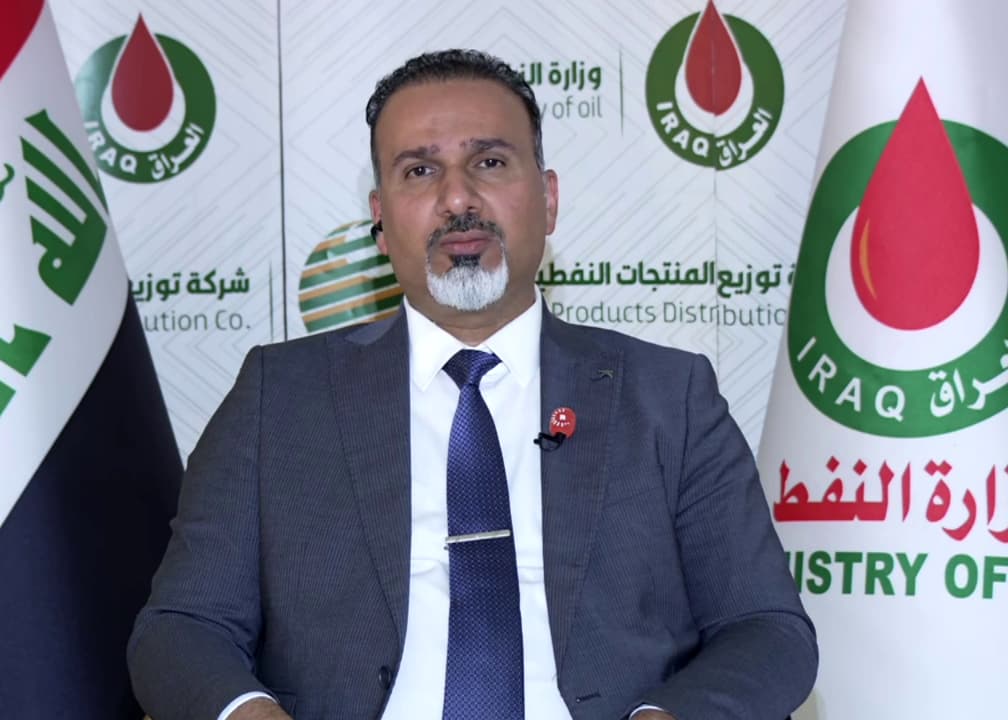
Erbil, located in the Kurdistan Region of Iraq, is set to implement a Free on Board (FOB) strategy to sell its crude oil directly from its southern ports. This decision comes as the region aims to enhance its maritime exports while mitigating transit risks for buyers. The spokesperson from the oil ministry announced this shift on Saturday, highlighting the need for Iraq to regain its oil production and export levels following a notable decline influenced by recent geopolitical tensions, particularly between the United States and Iran.
The FOB Sales Strategy Explained
According to Salim al-Rikabi, the spokesperson for the Ministry of Oil, the State Organization for Marketing of Oil (SOMO) will manage the import system through the FOB method. This means that quantities of Iraqi crude oil will be available at the ports, with purchasing companies taking on the responsibility for shipping out the oil through designated safe routes. This method aims to streamline operations and reduce costs for buyers engaged in the procurement of Iraqi oil.
As Iraq’s oil production and exports aim to rebound, the implementation of this strategy is crucial. The country experienced significant production dips earlier this year, especially following the escalation of conflicts affecting shipping logistics across the Strait of Hormuz. Before these disruptions, Iraq was capable of producing over 4.5 million barrels per day (bpd). Unfortunately, output has been significantly lower due to the disruptions, necessitating the implementation of new export protocols.
Recent Export Figures and Recovery Efforts
Recent reports indicate that Iraq’s crude oil exports are witnessing a gradual recovery. They have increased from around 200,000 bpd to approximately 2.2 million bpd. In August alone, total exports reached 70 million barrels. However, it’s noteworthy that figures fluctuate as deliveries from the Kurdistan Region vary between 50,000 and 150,000 bpd. Currently, the output stands at close to 180,000 bpd, which includes 150,000 bpd from the region and additional contributions from Kirkuk oil fields.
In light of improving export volumes, the Iraqi government is working diligently on plans to boost production to 10 million bpd by the year 2030. Prime Minister Ali al-Zaidi emphasized the importance of enhancing output, particularly from fields located in the Kurdistan Region, as well as fostering increased exploration activities. The focus on attracting international energy firms for collaboration in expanding upstream operations is a critical component of these plans.
Strategic Partnerships and Future Prospects
In a bid to strengthen its oil sector, Iraq is also building strategic partnerships with international companies. Notable players such as British Petroleum and ConocoPhillips have initiated studies and developed operational plans in the Kirkuk fields. The Ministry of Oil has outlined potential contracts with American companies, highlighting fields, which were specifically assigned to them in line with the nation’s objectives for production growth.
In addition to maritime routes, Iraq is exploring transit options through Syria, where SOMO sells fuel oil from southern warehouses. Future plans include establishing pipeline systems to facilitate smoother exports. The proposed pipelines, designed for maximum capacities, demonstrate Iraq’s commitment to overcoming logistical challenges and securing a more stable oil export framework.
In conclusion, Iraq’s new FOB strategy aims to revitalize its oil industry amidst ongoing challenges. As the nation works toward stabilizing its exports and pursuing collaboration with global energy partners, the path ahead could lead to a more prosperous and competitive oil sector, further bolstered by strategic infrastructure development and enhanced operational efficiency.