
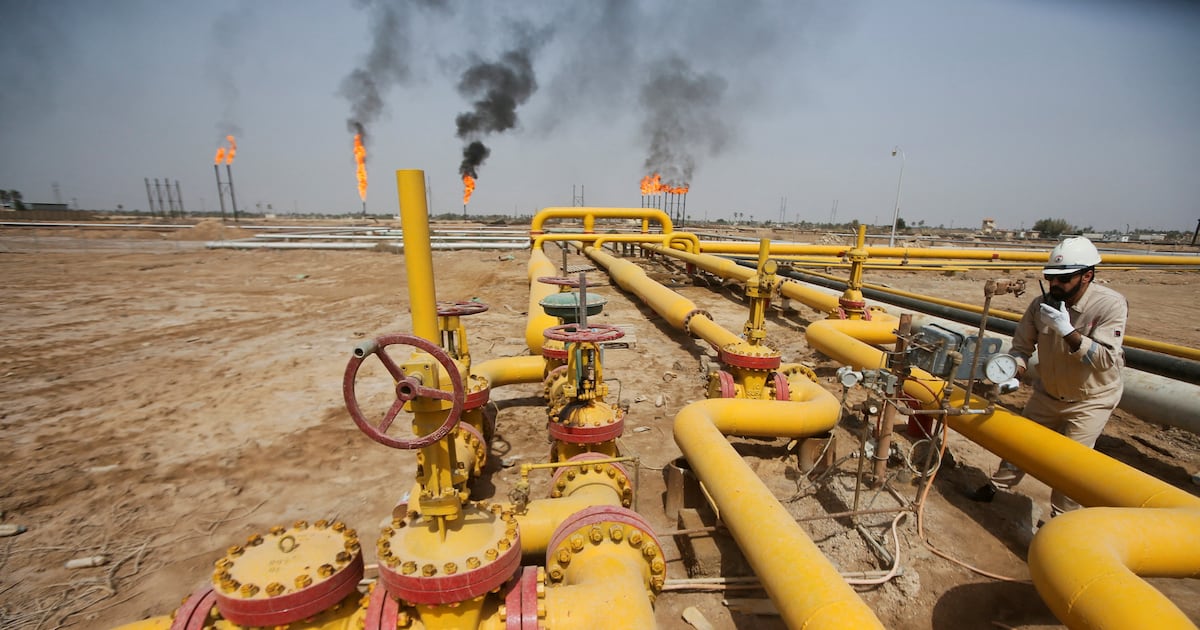
Iraq is strategically enhancing its oil production capabilities, aiming to increase exports despite the ongoing challenges in the Strait of Hormuz. The nation’s oil minister recently reported that Iraq has successfully raised its crude oil output to over three million barrels per day as of September, which reflects its resilience amid regional tensions. By developing alternative pipelines and improving its infrastructure, Iraq is positioning itself to further increase its production capacity.
Current Oil Production and Future Goals
As the second-largest producer in OPEC, Iraq’s ambitions extend beyond the current production levels. The oil minister indicated that with ongoing developments in infrastructure, including strategic pipelines leading to Fishkhabour and Baniyas, the country plans to escalate its export capacity to five million barrels per day. Since early September, Iraq has managed to maintain an export rate of three million barrels per day, a positive sign of recovery given the circumstances.
Historically, Iraq’s oil exports have been severely impacted by the geopolitical landscape, especially following the escalations in the Iran conflict. In February, exports were approximately 4.2 million barrels per day, but within three months, this figure plummeted to around 1.45 million barrels per day. This decline highlights the vulnerabilities faced by Iraq’s oil sector amidst ongoing regional instability, including attacks on shipping routes.
Challenges in the Strait of Hormuz
The Strait of Hormuz is a critical corridor for global oil supplies, but recent conflicts have resulted in significant disruptions. A ceasefire agreement that once provided a glimmer of hope for stability has deteriorated, leading to renewed attacks on commercial vessels. This troubling pattern underscores the inherent risks for Iraq in transporting its crude oil, a situation that has prompted the country to take direct action for safe passage through negotiations with Iran.
With hostilities affecting a lane through which a fifth of the world’s oil and gas supply once flowed, Iraq has shifted its focus to securing specific agreements for tanker passage. In late August, Iraqi President Nizar Amidi announced that Iran had granted permission for several Iraqi oil tankers to navigate the contentious waters, marking a significant diplomatic breakthrough.
Strategic Developments and Infrastructure Projects
While negotiations with Iran are a crucial aspect of securing export routes, Iraq is concurrently pursuing infrastructure projects aimed at reducing dependency on the Strait of Hormuz. Efforts include building pipelines that will connect Iraq to the Turkish port of Ceyhan and the Syrian port of Baniyas, creating alternative routes for oil transport. Baghdad has already formalized a deal with Syria for the Haditha-Baniyas pipeline, a strategic step towards diversifying its export options.
By diversifying its export routes and negotiating for safe passage, Iraq is not only working to stabilize its oil sector but also to ensure long-term economic viability. With its increasing production capacity and strategic partnerships, the nation is setting the stage for broader stability in its energy sector, aiming to mitigate the risks presented by ongoing regional tensions.