
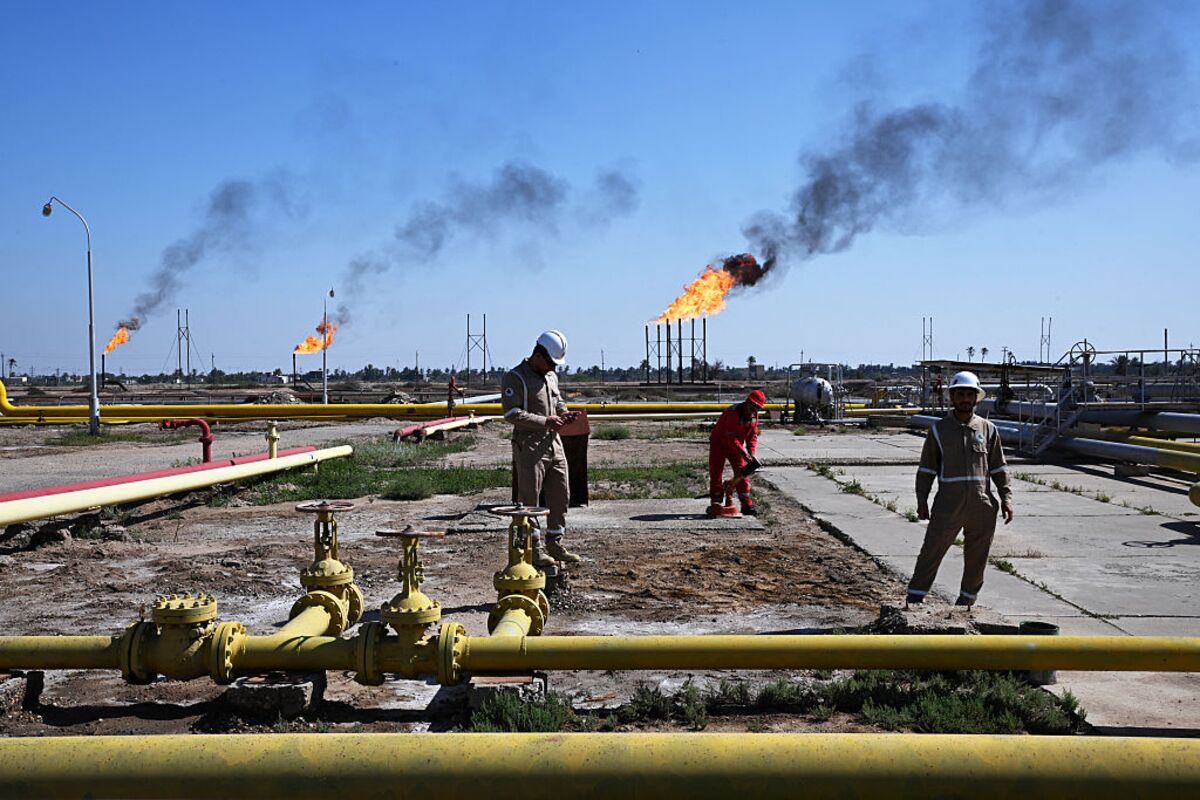
Iraq is making strides in ramping up oil exports from its principal port, a strategic move that underscores the efforts of prominent OPEC nations in increasing shipments across the critical Strait of Hormuz. This uptick in oil loadings not only signals Iraq’s growing capabilities but also reflects the overall dynamics of the region’s oil sector.
Iraq’s Oil Export Strategy
As one of the key players in the Organization of the Petroleum Exporting Countries (OPEC), Iraq has been focusing on enhancing its oil production and export capacity. This initiative includes streamlining operations at its primary logistical hub in the southern part of the country. By optimizing the activities at its terminal, Iraq aims to alleviate some of the supply constraints that have historically hindered its oil output.
The country is equipped with a vast array of oil reserves, which positions it as a vital contributor to the international oil market. With increased activity in the port, Iraq can export larger quantities of crude oil, thus fulfilling its commitments to global markets while generating essential revenue for its economy. Such enhancements are crucial for a country that relies heavily on oil revenues, particularly in a volatile market environment.
The Importance of the Strait of Hormuz
The Strait of Hormuz serves as a significant conduit for global oil transport, with a substantial percentage of the world’s crude oil passing through this narrow waterway. By increasing shipments through this chokepoint, Iraq is not only enhancing its own economic prospects but also contributing to global oil stability. The region’s top oil producers, including Saudi Arabia and the United Arab Emirates, are also ramping up their output, which collectively helps alleviate supply pressure in the international arena.
As geopolitical tensions continue to influence oil markets, the ability of countries like Iraq to accelerate exports can serve as a stabilizing force. With demand fluctuating and supply being impacted by various external factors, such proactive measures are critical for maintaining a balanced market.
OPEC’s Role in the Global Oil Market
The Organization of the Petroleum Exporting Countries plays a pivotal role in shaping the landscape of the global oil market. OPEC’s strategies often involve coordinating production levels among member countries to influence prices, and Iraq’s recent actions align well with this cooperative approach. By boosting its exports, Iraq joins other member states in meeting the escalating global demand for oil, particularly as economies rebound post-pandemic.
Iraq’s commitment to increasing oil loadings not only reinforces its importance within OPEC but also helps solidify its position as a critical oil supplier. This focus on expansion is essential for Iraq’s long-term economic stability and can also foster better relationships with other oil-exporting nations as they navigate the complexities of the global market together.
In conclusion, Iraq’s ongoing efforts to accelerate its oil loadings and enhance shipments from the Persian Gulf are indicative of its strategic importance in the global oil market. As one of the leading OPEC producers, its actions can significantly impact supply dynamics and price stability, demonstrating the interconnected nature of energy resources in today’s world.