
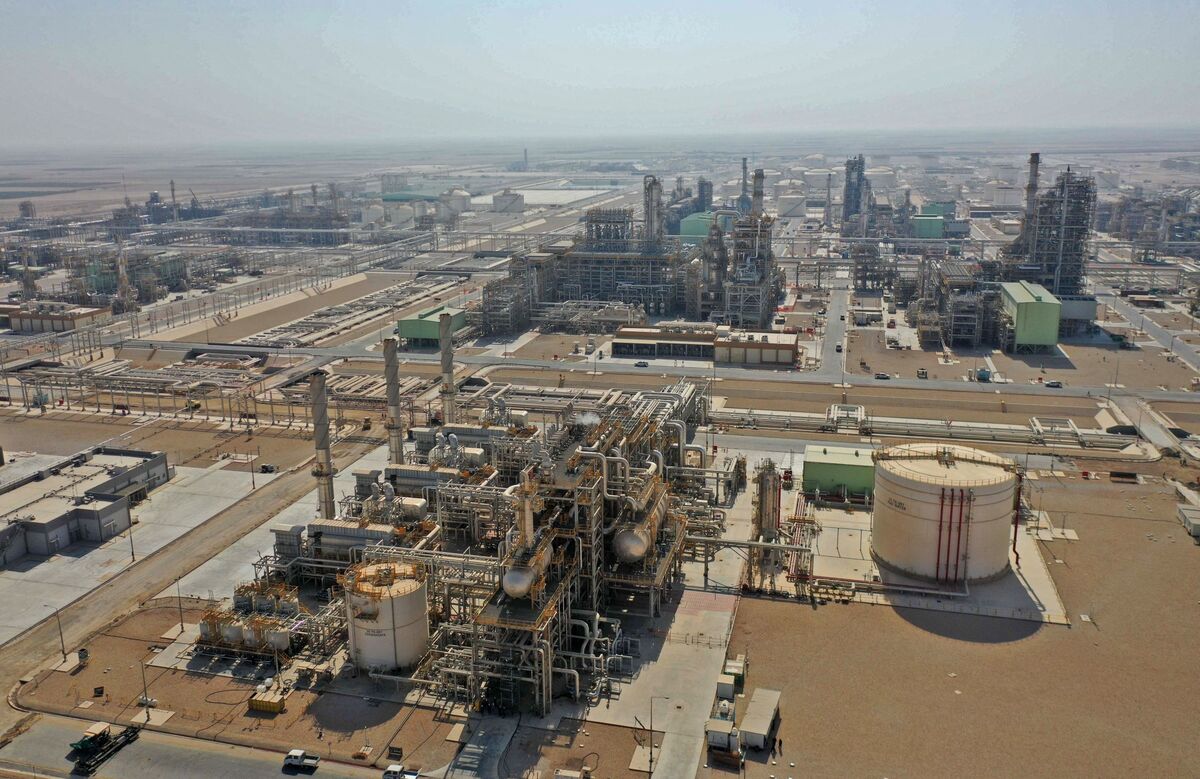
Iraq is on the brink of enhancing its oil export capabilities from southern ports, marking a significant shift in its oil trade strategy. A formal agreement to open the Strait of Hormuz is anticipated to be signed soon, paving the way for increased production and revenue.
Impending Deal for Enhanced Oil Export
The upcoming deal is crucial, particularly given that the Strait of Hormuz is a vital shipping route for oil exports. Iraq aims to establish a more pronounced presence in the global oil market. The significance of this agreement cannot be understated, as it not only promises to bolster Iraq’s economy but also contributes to the stability of global oil supply chains.
With renewed access to the Strait of Hormuz, Iraq can leverage its vast oil reserves more effectively. The country hopes to increase its export volume, which has been impacted by various geopolitical concerns in the region. By solidifying this agreement, Iraq positions itself as a key player in the energy sector, which could lead to greater foreign investment and economic growth.
Impact on Global Oil Prices
Improved oil exports from Iraq may also influence global oil prices. An increase in oil supply is likely to create downward pressure on price levels, benefiting consumers worldwide. Analysts are closely monitoring developments in this sector, as fluctuations in supply can have immediate effects on market dynamics. Investors and stakeholders are keen on understanding how Iraq’s enhanced export capacity will shape the future of the oil market.
Moreover, with the ongoing shifts in production from various oil-producing nations, Iraq’s expanded presence could lead to new partnerships and collaborations within the industry. Establishing strong ties with global energy leaders could provide Iraq with advanced technology and expertise, further enhancing its oil production capabilities.
Long-term Economic Benefits
Beyond immediate effects on oil prices, Iraq’s planned increase in oil exports has the potential to yield long-term economic benefits. The influx of revenue from oil sales can fund essential infrastructure projects, healthcare, and educational programs. As the country strives to diversify its economy, an improved oil export strategy could provide the necessary financial resources to foster growth in various sectors.
Additionally, a successful oil trade strategy can significantly reduce Iraq’s dependency on foreign support and aid. By enhancing local industries and creating jobs, the nation can work towards self-sufficiency. This would not only contribute to national stability but also improve the overall quality of life for its citizens.
In conclusion, Iraq’s ambition to increase oil exports through the planned deal to open the Strait of Hormuz is a critical step toward strengthening its position in the global oil market. The potential impacts on global oil prices, paired with long-term socioeconomic benefits, make this development crucial for the country’s future. The world will be watching closely as Iraq embarks on this new chapter in its oil export journey.