
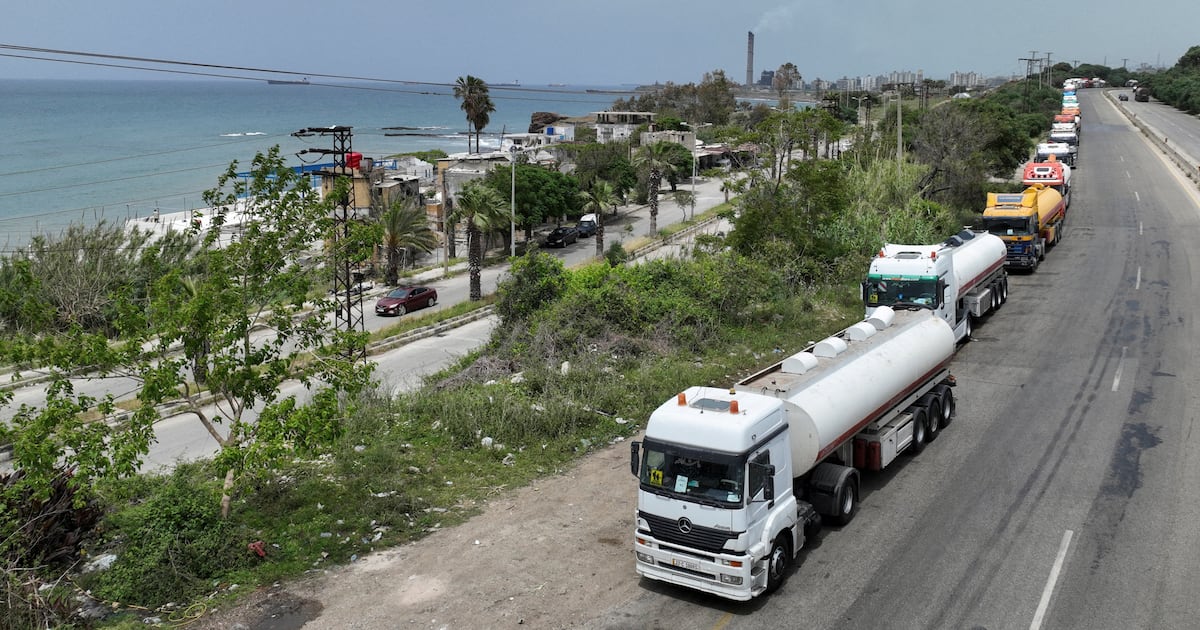
Iraq is set to initiate the transportation of crude oil through a newly established route involving Syria, with operations expected to kick off around mid-October. This strategic maneuver aims to enhance Iraq’s energy exports, which have been obstructed due to escalating conflicts in the Strait of Hormuz, particularly following the outbreak of war in Iran.
Oil Transportation Logistics
The crude oil will be transported to a Mediterranean port, utilizing trucks for the journey. Iraq has sought and received cooperation from Syrian authorities, as reported by Yousef Qiblawy, head of Syrian Petroleum. The agreement between Baghdad and Damascus is nearing finalization, and Qiblawy indicated that oil exports from Iraq could commence imminently, potentially starting with the first batch of trucks arriving in Syria by mid-October.
This pending oil transportation initiative follows a related energy trade agreement between Iraq and Syria that occurred in late September, during which Iraq began importing petrol through Syrian routes. The collaboration signifies a pivotal step for Iraq, given its reliance on oil for economic stability amid challenging geopolitical circumstances.
The Impact of Regional Conflicts
Since the commencement of the Iran war in February, Iraq has faced severe economic and security challenges. As Opec’s second-largest oil producer, Iraq depends heavily on oil for at least 90% of its national revenue. Before the conflict, the country exported approximately 3.3 million barrels of oil daily, primarily through the Strait of Hormuz. The steep escalation of tensions in this vital shipping lane has necessitated the exploration of alternative routes, prompting the deepening of Iraq’s ties with Syria.
Iraq’s agreements with Syria can also be viewed as a strategic response to the disruptions caused by the Iran conflict. The Strait of Hormuz once served as a critical passage for about 20% of global energy exports. The ongoing instability has thus made the pursuit of alternative oil transit routes increasingly important for Iraq.
Fuel Movement and Future Prospects
In recent months, Syria has emerged as a key channel for Iraqi fuel oil exports, with shipments reaching around 2.1 million tonnes sent by truck to Syria’s Baniyas port since April. An Iraqi Oil Ministry official disclosed that the first shipment of imported petrol is being unloaded at the Baniyas refinery, designed for transport back to Iraq. This reciprocal trade signals a solidification of relations between Iraq and Syria in the face of ongoing adversity.
Despite being a significant crude oil producer, Iraq faces severe challenges, including fuel shortages attributed to inefficiencies in its refineries and energy management. Notably, the Iraqi Oil Tankers Company recently managed to transport two million barrels of crude oil beyond the Strait of Hormuz for the first time in decades. This move signifies a strategic shift for Iraq, enabling it to exploit more favorable pricing opportunities and enhance its market competitiveness. Plans are underway to procure specialized crude tankers to bolster this initiative further.
In conclusion, Iraq’s strategic pivot to transport crude oil through Syria marks a significant development in its efforts to stabilize its energy exports amidst ongoing regional conflicts. The deepening ties with Syria not only address immediate economic concerns but also signal a long-term strategy aimed at securing Iraq’s energy infrastructure against future disruptions.