
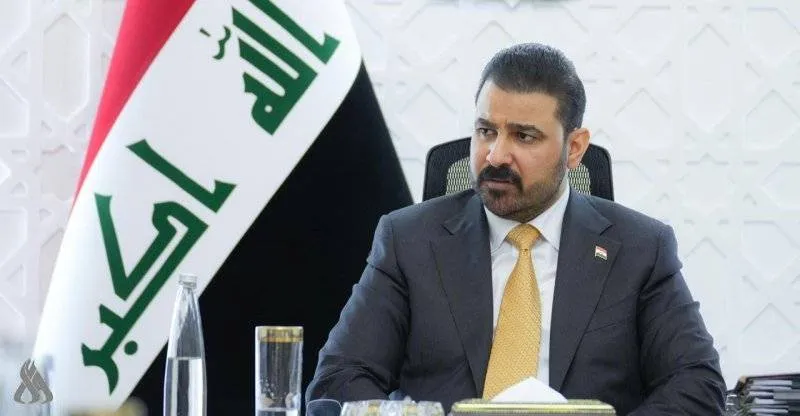
Hadi al-Ameri, the leader of Iraq’s Badr Organization, which has close ties with Iran, has established stringent conditions for armed factions in the country to disarm. This marks a significant shift in his previously more moderate stance, which was aimed at avoiding conflict with the U.S. By adopting a tougher position, Ameri now makes it clear he is not in favor of an easy resolution over the disarmament of these factions.
Strained Dialogue Over Disarmament
In a recent televised address, Ameri expressed skepticism about Prime Minister Ali al-Zaidi’s ability to make any “radical” decisions concerning the weapons held by these “resistance” factions. His remarks align with official commentary about celebrating the withdrawal of anti-ISIS coalition forces by September 30. However, Ameri also stressed that Iraq can only achieve true sovereignty—over its land, air, and sea—once all foreign military personnel, including Americans and Turks, have departed and committed not to breach Iraqi sovereignty.
This September 30 deadline has dual significance: it marks the pullout of anti-ISIS coalition forces and the date by which armed factions are expected to lay down their arms. During his address, Ameri specifically mentioned Iranian and Turkish armed units on Iraqi soil, labeling their presence as a threat to regional stability. He claimed their deployment contravenes the Iraqi constitution, calling for all such groups to disarm.
Political Maneuvering and Legal Frameworks
In addition, Ameri urged the Iraqi parliament to adopt legislation regarding the Popular Mobilization Forces (PMF), a move that the U.S. has opposed and which previously halted any legislative progress. This law would offer the factions under the PMF a framework of legal protections, further complicating the already tense relationship with the U.S. Ameri lauded the contributions of these “resistance” groups, positing that they have been crucial in defending Iraq, especially during the tumultuous October 2019 protests—while also indirectly acknowledging that many of these factions were implicated in violence against protesters.
Political activist Nizar Haidar remarked on the delays engineered by armed groups and political entities regarding the disarmament process, asserting that these conditions are merely stalling tactics as the deadline looms. He emphasized that September 30 will serve as a litmus test of Iraq’s governance capabilities and adherence to its laws. The question remains whether militias will prioritize their interests over the government’s directives.
The Future of Armed Groups in Iraq
Political science expert Firas Elias from the University of Mosul noted that Iraq is currently enmeshed in a debate concerning the limitations on weapon possession and the state’s authority. He inferred that Ameri is intentionally setting a high bar for negotiation, complicating the prospect of reaching a consensus on the dissolution of armed factions.
Additional conditions under discussion in Iraq include the cessation of business dealings with American firms, proposals to export oil in various currencies, addressing the presence of the Kurdistan Workers’ Party, and extending the reach of Iraqi federal forces into the Kurdistan Region. As the deadline approaches, these contentious issues underscore the complexities facing Iraq in its quest for sovereignty and security.