
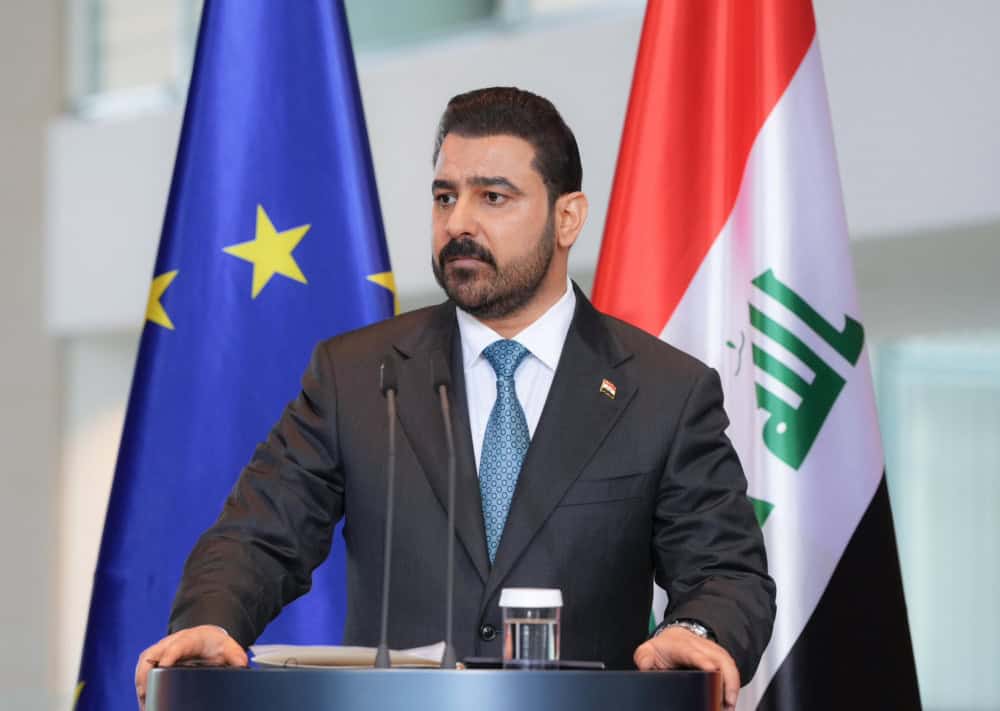
In recent developments, tensions in the Middle East have escalated following a series of drone strikes on Saudi Arabia’s East-West Crude Oil Pipeline. An official statement from the Iraqi government has confirmed that these attacks originated from within its borders. This incident raises significant concerns about regional stability and security.
The Impact of Drone Strikes on Regional Stability
Drone strikes, particularly those targeting critical infrastructure such as oil pipelines, can have far-reaching implications. The East-West Crude Oil Pipeline is vital for Saudi Arabia, not only for its economy but also for global oil markets. Disruptions in this area can lead to fluctuations in oil prices and affect supply chains worldwide. The Iraqi government’s acknowledgment of its involvement adds a layer of complexity, potentially fostering deeper divisions within the region.
Furthermore, these attacks can exacerbate existing geopolitical tensions. With various factions vying for power, this incident may lead to increased hostilities between Iraq and Saudi Arabia. The ramifications could extend beyond just these two nations, affecting relationships with other regional players and global powers.
The Role of Militias and Proxy Warfare
The involvement of militias in Iraq presents another layer of complexity. These groups often operate independently and can initiate actions that aren’t aligned with the government’s official stance. The recent drone strikes could be seen as a demonstration of military capabilities by non-state actors, possibly backed by foreign powers. Such proxy warfare complicates diplomatic relations and poses challenges for establishing a unified response against terrorism and violence.
The ramifications of these militias’ actions can also ripple out, influencing international alliances. Countries that may support or fund these groups contribute to the ongoing instability, making conflict resolution increasingly difficult. The cycle of violence can perpetuate as retaliatory strikes from Saudi Arabia may lead to further escalation from Iraqi factions.
Global Response and Future Considerations
In light of these events, global leaders must consider the broader implications of such strikes. Diplomatic dialogue is crucial to de-escalate tensions and promote stability in the Middle East. International stakeholders, including the United Nations, may play a key role in facilitating negotiations aimed at preventing future conflicts.
Additionally, oil-importing nations must monitor the situation closely. Fluctuations in oil supply due to these drone strikes can reverberate throughout the global economy, impacting everything from fuel prices to inflation rates. As regional dynamics continue to evolve, a more comprehensive understanding of these relationships will be essential for ensuring peace and stability.
In conclusion, the drone strikes on Saudi Arabia’s East-West Pipeline highlight the fragile state of Middle Eastern geopolitics and the intricate web of relationships among various state and non-state actors. With tensions high and stakes even higher, it is imperative for regional and global leaders to engage in dialogue aimed at fostering lasting peace. Without such efforts, the risk of prolonged conflict remains a serious concern.