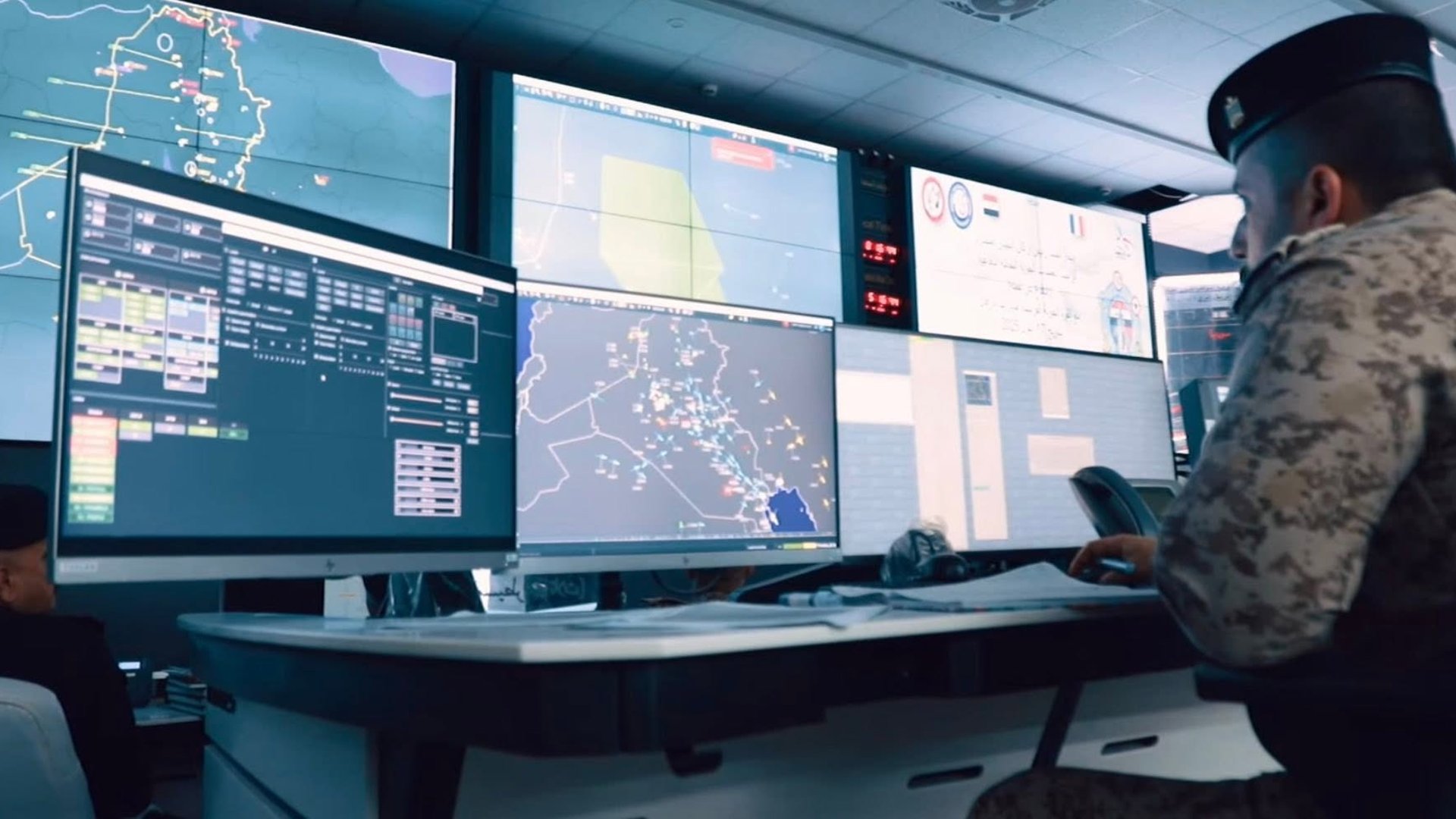
Baghdad is currently examining unidentified aerial activities that have been observed over western and southern Iraq. These investigations come in the wake of the U.S.-led coalition’s departure on September 30. Reports indicating that Israeli fighter jets have traversed Iraqi airspace en route to Iran have raised concerns about Iraq’s ability to manage its own airspace.
Monitoring Activities and Coordination
From October 1 to 12, Iraqi authorities have been monitoring aerial movements, but they have yet to determine the identity or purpose of these flying objects, according to a security source. The Iraqi government remains in communication with coalition commanders, specifically those stationed in Jordan, to coordinate military operations and airspace management. This dialogue is crucial for ensuring that Iraq’s sovereignty is respected while navigating its complex security environment.
Lawmakers, particularly those on the Security and Defense Committee, are scrutinizing reports about American aircraft operating within Iraqi borders. Mazen Gharib, a committee member, emphasized the need for thorough monitoring to ascertain the nature and objectives of these movements. It’s vital to ensure they align with existing agreements between Iraq and other nations.
Claims of Israeli Air Operations
According to the Turkish defense outlet Times of Defence, Israeli F-35I Adir stealth fighters reportedly utilized Iraqi air corridors on October 7, aided by refueling tankers. The publication cited preliminary operational intelligence as the basis for this claim. Additionally, U.S. Air Force F-35As were suggested to have conducted long-distance training missions near the Iraq-Iran border. However, neither the United States nor Israel has confirmed these reported activities, and Iraqi authorities have yet to connect them to the recent aerial movements they’ve detected.
In response to these potential threats, the militia group Kataib Hezbollah has announced its intention to target “hostile” aircraft within Iraqi airspace. A recent statement from their secretary-general emphasized that while military operations would be paused, any incursions into Iraqi airspace would still be met with hostility until the country’s air defense systems are fully operational.
Development of Air Defense Capabilities
With the end of the coalition’s mission, its anti-ISIS task force has relocated to Jordan, prompting a shift to bilateral security cooperation between Baghdad and Washington. Iraq’s forces reportedly track approximately 200 military flights daily but face challenges in managing them effectively. Although the Iraqi military employs French GM403 and U.S. TPS-77 radar systems, concerns persist about their ability to respond to various aerial threats.
Experts have noted that current radar and surveillance technologies do not encompass all necessary altitudes and areas. According to military analyst Imad Allo, enhancing aerial defense isn’t merely about acquiring new weapons or radars; it requires an integrated command-and-control system alongside effective coordination among military branches.
Although Iraq transitioned significant parts of its western airspace back to civilian control on September 18, managing civilian corridors is fundamentally different from intercepting unauthorized military aircraft. Iraqi defense officials revealed that Prime Minister Ali al-Zaidi has expedited air defense modernization efforts, reducing the timeline from six years to three. They are actively seeking acquisitions from South Korea, Turkey, and the U.S., with the first delivery of surveillance equipment and interceptors expected within six months. This strategic enhancement is essential for solidifying Iraq’s airspace sovereignty and security.