
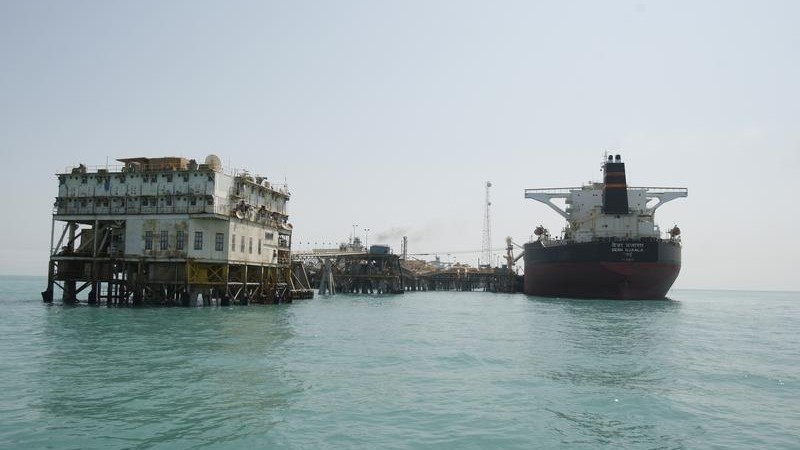
Iraq, the second-largest oil producer within OPEC, is currently offering significant discounts on its crude oil, with prices dropping by up to $33.40 per barrel off the official selling prices for shipments through the notoriously strategic Strait of Hormuz. Given the ongoing geopolitical tensions in the Middle East, these aggressive discounts highlight the challenges facing Iraqi oil exports.
Challenges in Oil Production and Export
The recent hostilities in the region have severely impacted Iraq’s oil production and exports. The Strait of Hormuz, the crucial transit route for the nation’s Basrah crude grades, faces de facto closure and substantial movement challenges. Although Iraq was among the first Gulf nations to reduce its production in response to these circumstances, it currently manages to export a limited amount of crude through a pipeline to the Mediterranean coast of Turkey. The key export port at Basrah, which previously handled the majority of Iraq’s exports, has been constrained due to the impassable Strait. As a result, tankers are now compelled to navigate empty westward out of the Strait and venture deep into the Persian Gulf to load crude from Basrah.
Current Discounts Offered for Iraqi Crude
To incentivize buyers amid these challenges, Iraq has set significant discounts on its Basrah Medium crude. According to a notice from the Iraqi state oil marketing company, SOMO, the crude loading between May 1 and 10 will see a discount of $33.40 per barrel below the official selling price (OSP). For shipments scheduled between May 11 and 31, the discount is set at $26 per barrel. Additionally, Basrah Heavy crude is being offered at a discount of $30 per barrel off the OSP for May loading. These discounts aim to attract buyers who are willing to navigate the ongoing risks associated with shipping through the Strait of Hormuz.
Implications of Force Majeure Clauses
The recent SOMO notice also states that agreements with buyers will not invoke force majeure provisions due to the extraordinary circumstances that all parties are familiar with. This declaration means that buyers can proceed without worrying about traditional contractual escape clauses that might arise in cases of geopolitical instability. This is particularly critical in a time when shipping logistics are complicated by tensions, blockades, and the intricate U.S. Project Freedom initiatives intended to enhance maritime security.
Geopolitical Tensions Complicating Tanker Movements
The interplay of geopolitical tensions further complicates tanker movements in and around the Strait of Hormuz. With renewed anxiety stemming from blockades and Iranian threats toward U.S. naval efforts, the movement of oil tankers has become increasingly precarious. This unsettling atmosphere has generated additional friction, resulting in an already sluggish inbound traffic flow at the Strait, creating further challenges for Iraqi oil exports.
As Iraq grapples with a series of challenges, the country’s willingness to offer significant discounts on crude oil underscores the pressures it faces in a complex geopolitical landscape. While discounts may attract short-term buyers, long-term stability in the region will be vital for the sustainability of Iraq’s oil sector.