
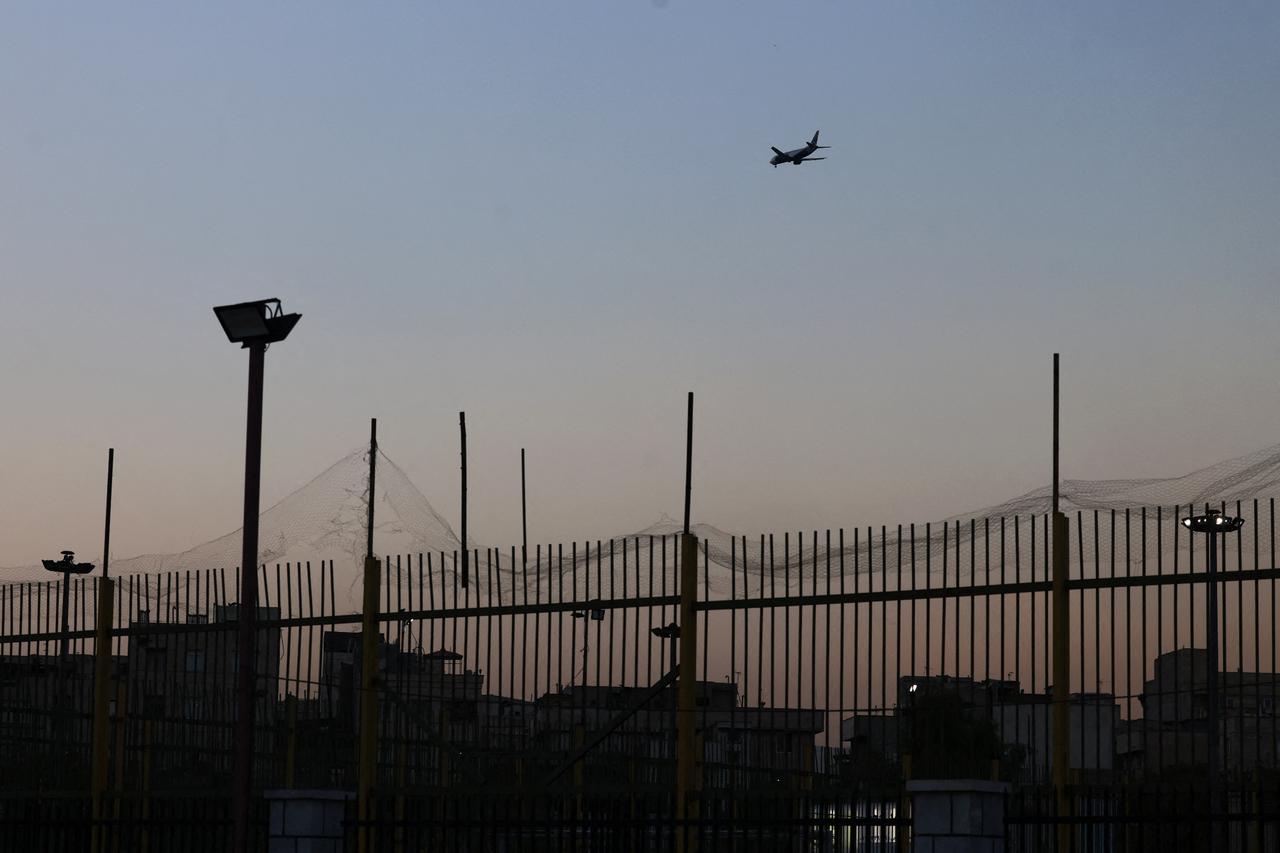
Iraq is currently engaged in direct discussions with the United States, seeking exemptions from sanctions that have restricted Iranian flights to its airports. According to Prime Minister Ali al-Zaidi’s office, these negotiations aim to allow flights for humanitarian purposes, particularly for patients, students, and religious pilgrimages. The restrictions imposed have had a significant impact, especially in Najaf, a key destination for Iranian flights that serve the Iraqi population.
Need for Humanitarian Exemptions in Iraq
The Iraqi government’s efforts are focused on resuming flights that have been suspended due to sanctions. These flights are crucial for transporting individuals seeking medical treatment in Iran, students pursuing education, and Shiite pilgrims traveling to religious sites. The recent ban, which was enacted across all Iraqi airports, had immediate consequences, including the disruption of travel for many Iraqis who rely on these connections. As a result, there is growing concern about the implications for healthcare access and educational opportunities.
Prime Minister al-Zaidi’s administration emphasizes the importance of dialogue and has articulated the need for flexibility in addressing these humanitarian challenges. The government has expressed hope that by resolving the current situation, it can not only facilitate essential travel but also contribute to regional stability amidst escalating tensions.
Impact of U.S. Sanctions on Aviation
The U.S. sanctions that led to the suspension of Iranian flights were announced by Treasury Secretary Scott Bessent on September 21, 2026. These restrictions encompassed a comprehensive approach, affecting not just the airlines but also the entire operational framework necessary for air travel. Sanctions stifling fuel supply, landing services, and ticket sales have put immense pressure on airlines, forcing many to cease international operations.
This hardline stance is part of a broader U.S. strategy aimed at constraining Iran’s economic activities, dubbed “Operation Economic Outcast.” Neighboring countries, including Iraq, the United Arab Emirates, and Oman, have complied with the sanctions, further isolating Iranian air traffic and exacerbating the travel hardships faced by numerous civilians.
The Human Dimension of Travel Restrictions
For many individuals in Iraq, the cessation of Iranian flights symbolizes more than mere travel plans; it represents access to essential services and the ability to maintain cultural and religious practices. Several Iraqi citizens have voiced concerns over their inability to reach critically needed medical care. For those who were already in Iran, long overland journeys back home are now the only option, often taking over 12 hours.
The historical ties between Iraq and Iran, grounded in religious shared values and socio-economic interests, make these travel disruptions even more poignant. The Iraqi government’s intervention reflects a commitment to safeguarding its citizens’ rights to access healthcare and education while fostering a climate of dialogue within the region.
As discussions progress, the outcome will be closely monitored, as it could set a precedent for future negotiations involving humanitarian exceptions in the face of stringent sanctions and geopolitical complexities. The situation encapsulates the challenges faced by nations seeking to navigate diplomatic relations while prioritizing the well-being of their citizens.