
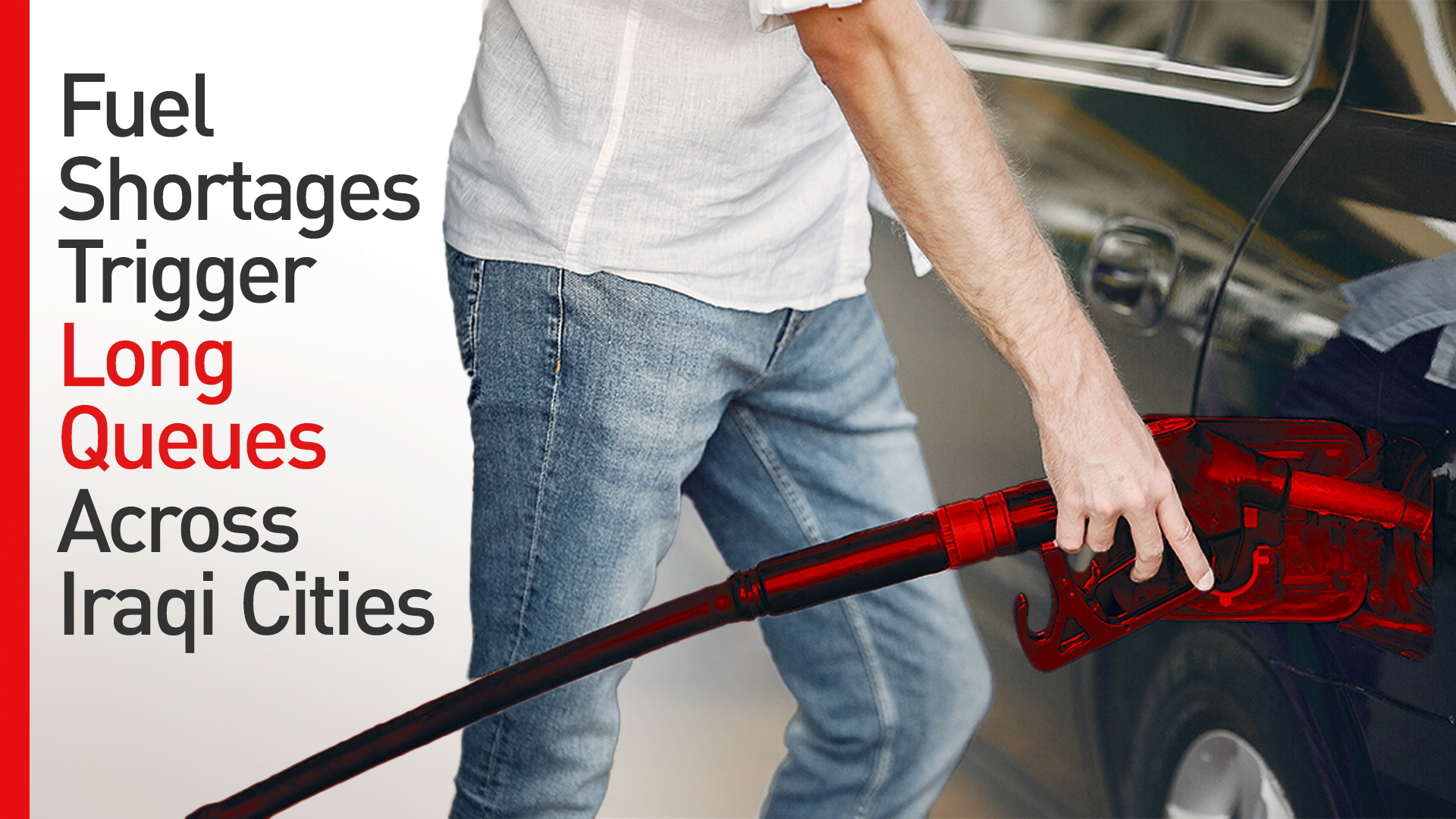
Gasoline shortages in Iraq have led to extensive queues in major cities like Baghdad and Kirkuk. This predicament arises from issues at refineries, delays in imports, and regional conflicts impacting supply lines. As one of the leading oil-producing nations in the world, Iraq faces an alarming inconsistency between production capabilities and domestic fuel demands.
Current Situation of Gasoline Supply
In recent days, motorists in Kirkuk have experienced significant wait times at filling stations due to a drastic reduction in available gasoline. Reports indicate that many government-subsidized outlets struggle to meet the demand for the allocated 50 liters every five days. The situation has worsened, particularly with improved-grade gasoline, which has been largely unattainable for nearly a week across various provinces. The Kirkuk Oil Products Company has attributed this shortage primarily to technical malfunctions at refineries, halting essential production processes.
As concerns about the gasoline supply loom large, citizens have resorted to panic buying, which exacerbates the already strained resources. In Baghdad, some stations completely run out of subsidized fuel by midday, forcing drivers to either leave and come back or search elsewhere. Affected motorists have voiced their frustrations, highlighting the irony of living in a nation that exports millions of barrels of crude oil yet struggles to supply its population with basic gasoline needs.
Factors Behind the Shortage
The current shortage is driven not only by domestic refinery issues but also by wider regional conflicts impacting imports. Agence France-Presse reported disruptions in tanker movement due to the ongoing U.S.-Iran tensions, complicating Iraq’s access to necessary fuel supplies. Although Iraq ranks as OPEC’s second-largest crude oil producer, its domestic refineries do not generate enough gasoline to meet the demands of its citizens. This reliance on imported fuels has become increasingly precarious as geopolitical tensions interfere with logistical processes.
The Iraqi Oil Ministry has underscored the challenges posed by regional conflicts, expressing concern over how these circumstances affect the logistical flow of petroleum products. For instance, Baghdad residents report spending hours in line without successfully obtaining gasoline, only to return early the following day for another attempt. Such frustrations illustrate the absurdity of Iraq’s reliance on imports despite its vast oil reserves.
Government Response and Future Outlook
In response to the crisis, the Oil Ministry has urged citizens to purchase only what they genuinely need to minimize chaos at gas stations. Iraqi Oil Minister Bassem Mohammed Khudair al-Abadi announced that operational teams are working diligently to stabilize supplies. He has assured the public that additional shipments are forthcoming to alleviate the congestion seen at filling stations.
Furthermore, during a recent crisis-cell meeting, Abadi stated that the ministry is keeping close tabs on distribution and implementing measures to secure petroleum products. While it is crucial that these steps are taken to remedy the situation, it remains to be seen how effective they will be amid ongoing regional tensions and the unpredictability affecting shipping routes.
In the long run, the Iraqi government aims to reduce its dependency on foreign refined products and expand its refining capabilities. Although these are commendable goals, the immediate priority continues to be managing the current shortages and enhancing the flow of gasoline across the nation. Regardless of future plans, the current reality underscores a fundamental issue: Iraq’s domestic refinery capacity has not kept pace with consumption needs, and until significant progress is made, motorists will continue to face long waits at the pump.