
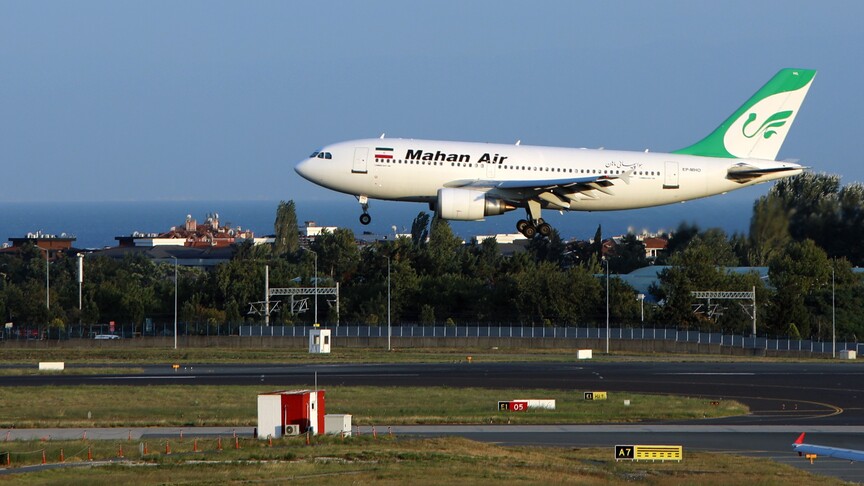
Iraq is currently in negotiations with the United States to exempt certain airports from sanctions imposed on Iranian airlines. This dialogue aims to facilitate humanitarian flights for purposes such as medical care, education, and religious visits. Iraqi Prime Minister Ali al-Zaidi’s office communicated this initiative, highlighting the importance of dialogue in alleviating regional tensions.
Seeking Humanitarian Exemptions
The ongoing discussions revolve around allowing specific flights to resume on humanitarian grounds. Prime Minister al-Zaidi’s office emphasized that humanitarian endeavors are crucial for public welfare. The prohibition on certain flights has raised concerns, particularly for individuals needing medical treatment or education, who rely on these connections. The Iraqi government stresses its commitment to facilitating humanitarian relief while navigating the complex international landscape regarding sanctions.
A Call for Dialogue
The Iraqi administration has called on all parties involved to engage in constructive discussions to resolve the ongoing crisis. They believe that continued conflicts only exacerbate the situation, hindering progress and stability in the region. By emphasizing the need for open dialogue, Iraq aims to foster a collaborative approach to de-escalate tensions and promote peace among neighboring countries.
Impact of U.S. Sanctions
Recently, U.S. Treasury Secretary Scott Bessent announced an impending halt to Iranian airline operations worldwide, which took effect on September 23. This measure restricts Iranian flights from operating in several regional countries, including Iraq, Oman, and the UAE. Such stringent sanctions not only affect the operations of airlines but also disrupt essential humanitarian services, making the negotiations between Iraq and the U.S. more pressing.
Ongoing Regional Tensions
The backdrop of these talks is significantly shaped by the ongoing conflict that erupted on February 28, when the U.S. and Israel initiated military operations against Iran. These actions have led to widespread violence, with thousands reported dead. In retaliation, Iran has conducted attacks on U.S. and Israeli targets throughout the region, further escalating hostilities. The June interim agreement designed to ease tensions has since faltered, as further discussions stalled over critical navigation issues in the Strait of Hormuz, which is vital for global energy and trade.
In conclusion, the situation remains fluid as Iraq seeks to protect its interests while also addressing the humanitarian needs of its citizens. The delicate balance between sanctions and the right to humanitarian access requires careful negotiation and collaboration among nations.