
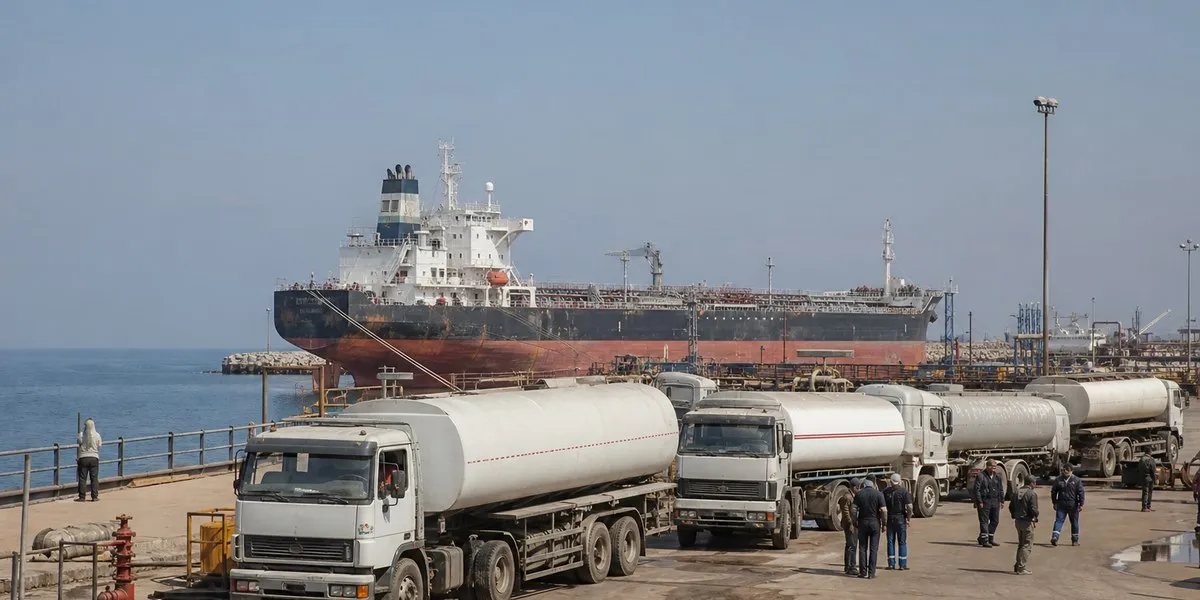
Iraq has initiated the importation of gasoline through Syria, marking a significant step in its energy trade routes. The inaugural shipment, consisting of 32,000 tonnes of gasoline, is currently being unloaded at the Baniyas oil refinery in Syria. From there, the fuel will be transported to Iraq using tanker trucks, according to official sources from Iraq’s Ministry of Oil.
Fuel Supply Operations from Baniyas
Reports indicate that 77 fuel trucks have left Baniyas en route to the Iraqi border, further emphasizing the rapid establishment of this supply line. In addition, another vessel carrying additional gasoline is on its way to the Baniyas facility, indicating a growing commitment to this trade route. Since April, Syria has emerged as a primary channel for the transit of Iraqi fuel oil. This development is particularly vital as shipments through the Strait of Hormuz face multiple disruptions due to geopolitical tensions.
Iraq has managed to transport at least 2.1 million tonnes of fuel oil to Baniyas since the inception of this overland supply route. Despite its stature as a major crude oil producer, Iraq experiences gasoline shortages, largely attributed to ongoing inefficiencies in refinery operations and the broader management of energy infrastructure.
Details of the Transit Agreement
A representative from the Iraqi Ministry of Oil has confirmed the formation of a gasoline transit agreement between Iraq’s oil marketing division, known as Somo, and Qatar’s UCC Holding. This company is backed by Syrian-Qatari business figures, the Al-Hayat brothers. Recent discussions between Syrian President Ahmad al-Sharaa and Iraqi Prime Minister Ali al-Zaidi in New York revealed a mutual interest in increasing the volumes of Iraqi fuel oil flowing through Syria.
Moreover, the Syrian side has expressed a need for Iraq to ensure that tanker trucks are inspected for security risks before they cross the border. A previous agreement mediated by the United States in July also focuses on modernizing the pipeline connecting Iraq’s Kirkuk oil hub to the port at Baniyas, with UCC Holding playing a pivotal role in the project.
Strategic Implications for the Region
This cooperation between Iraq and Syria on fuel supply routes signifies a strategic shift in energy logistics, particularly in light of ongoing regional conflicts and supply chain disruptions. The increasing reliance on Syrian infrastructure for Iraqi fuel supplies could reshape energy dynamics in the Middle East, while also highlighting the interplay between geopolitics and energy security.
As Iraq continues to navigate its fuel shortage crisis, bolstering ties with neighboring Syria may offer a short-term solution, but the long-term sustainability of this partnership will ultimately depend on resolving underlying challenges in Iraq’s own energy sector and the broader geopolitical environment in which both countries operate.
This development opens new avenues for trade and collaboration within the region, especially as concerns over energy security become increasingly pronounced. The integration of Syrian routes into Iraq’s fuel supply strategy may serve as a model for future energy partnerships in the Middle East.