
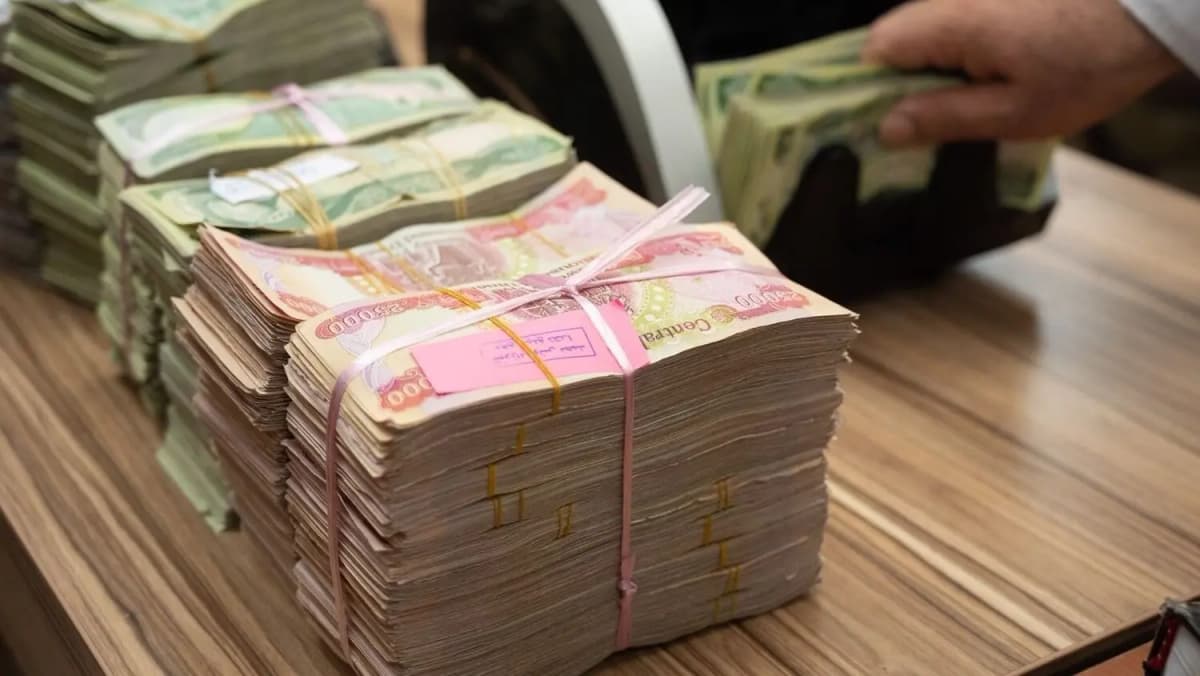
The Iraqi Kurdistan Region is advancing its fiscal strategies as discussions on the 2027 federal budget gain momentum. Recently, the region’s Ministerial Council for the Economy endorsed a proposal to forward the draft budget law to the Council of Ministers. This marks a significant milestone as the government prepares for parliamentary scrutiny of the upcoming financial plan, essential for shaping the regional economy.
Review and Recommendations from the Ministerial Council
During its 12th session held on Sunday, the Ministerial Council discussed the draft budget law in detail, as recorded in an official document signed by Finance Minister Falih al-Sari. The document, described as “very urgent,” emphasized the necessity of submitting the draft to the Council of Ministers while incorporating feedback from council members. This approach demonstrates the government’s commitment to accountability and transparency during the budget formulation process.
The endorsement of the budget draft follows the comprehensive work conducted by the Finance Ministry, culminating in a series of meetings led by the Supreme Budget Committee. Minister Sari, who chairs the committee, stated the draft had been completed within the established timeframe. He highlighted that it not only aligns with the government’s strategic priorities but also adapts to recent economic shifts, ensuring a thorough consideration of societal needs.
Context and Economic Implications
The preparation of the 2027 budget occurs amidst ongoing fiscal uncertainties that have beset Iraq. The country functioned under a one-twelfth spending mechanism in the absence of a newly enacted 2026 budget, relying on past allocations. Minister Sari emphasized the critical nature of the upcoming budget, which aims to enhance non-oil revenues while enforcing stricter fiscal discipline.
Recent negotiations between the Iraqi federal government and the Kurdistan Regional Government (KRG) also play a crucial role in determining the financial landscape. The discussions revolve around Erbil’s share of the federal budget and are expected to address pressing financial requirements as well as responsibilities for the Kurdistan Region. According to a source from the KRG Finance Ministry, Erbil is seeking approximately 14.1 percent of the national budget, based on the 2025 population census.
As uncertain fiscal relationships continue to disrupt regional stability, the new draft reflects responses to both governmental priorities and the changing economic climate. This underscores the necessity for a robust financial strategy that accommodates diverse societal segments while addressing regional economic disparities.
Next Steps in the Budget Process
Once the draft emerges from the Council of Ministers, it will be submitted to parliament for approval. Such procedural adherence is critical to ensuring that the budget receives the necessary scrutiny and legitimacy. While the Finance Ministry has not yet publicly released key figures regarding overall expenditures, revenues, or deficit projections, the forthcoming months are set to involve extensive discussions, focusing on the financial needs and responsibilities of various government entities.
The challenges surrounding the Kurdistan Regional Government’s budget allocation persist, fueled by long-standing disputes over oil revenues and revenue-sharing agreements. As Erbil and Baghdad continue negotiations, the implications for both regions could reshape regional fiscal strategies significantly. The trajectory of these discussions will undoubtedly influence the future stability and economic growth of the Kurdistan Region, ultimately determining its ability to meet the financial needs of its citizens.