
The ambitious plan to transport Iraqi crude oil to the Syrian Mediterranean coast, aiming to circumvent the critical Strait of Hormuz, remains several years and billions in investment away from reality. According to sources privy to the ongoing developments, the project is anticipated to take at least four years and require around $15 billion in funding before it can become operational.
Project Overview and U.S. Involvement
This pipeline initiative is being actively promoted by the U.S. government as a strategic effort to diminish the significance of the Strait of Hormuz in the global oil supply chain. The feasibility of the project is currently under review by a consortium comprised of major players in the industry, including the U.S. oil giant Chevron. While U.S. officials suggest that this venture could render Hormuz “irrelevant” within a two-year timeframe, actual construction is forecasted to span a minimum of four years.
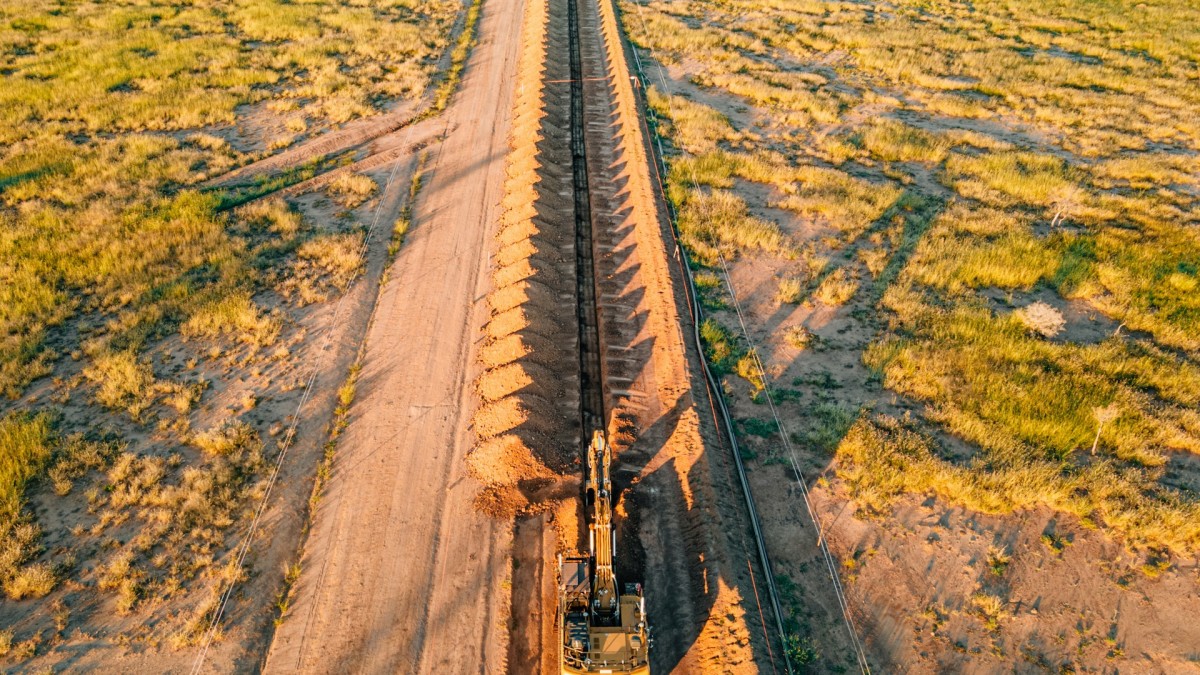
Currently, the existing oil pipeline has remained inactive for over two decades and cannot accommodate the new plans. This means that entirely new infrastructure will have to be developed, which not only complicates the project but also inflates the overall costs and extends the anticipated timeline substantially.
Impact of Ongoing Crises
The recent crisis that severely restricted Iraqi crude oil exports has intensified efforts by Iraq and Syria to rehabilitate the damaged pipeline meant to transport oil from the Kirkuk fields to the Syrian coastal city of Baniyas. According to Youssef Qablawi, the CEO of the state-controlled Syrian Petroleum Company, the renovation of this pipeline could potentially be completed in “three years at most.”
Negotiations are already underway between Syria and Iraq to finalize contractual agreements, alongside discussions with potential investors interested in supporting this critical infrastructure project. The pipeline is expected to consist of two lines, aimed at achieving a combined capacity of between 1.5 million and 2 million barrels per day (bpd).
Future Prospects and Strategic Importance
The U.S. government anticipates that American companies will be instrumental in reconstructing the oil route from Kirkuk to Baniyas. This pipeline is deemed crucial for revitalizing Iraq’s oil exports independent of the Strait of Hormuz, bolstering Syria’s post-war economy, and lessening Iranian influence over the strategic waterway.
Overall, as the situation continues to evolve, the cooperation between Iraq and Syria signals a significant shift in regional energy dynamics. The completion of this project could reshape oil supply routes and stabilize both nations’ economies, providing a strategic alternative to traditional oil transport methods heavily reliant on the Strait of Hormuz.
In conclusion, while the ambitious pipeline project faces numerous challenges and delays, the underlying geopolitical changes and urgent need for energy independence in the region may serve as catalysts for its eventual realization. An effective partnership among the involved countries, along with U.S. support, could pave the way for a significant transformation in the oil landscape of the Middle East.