
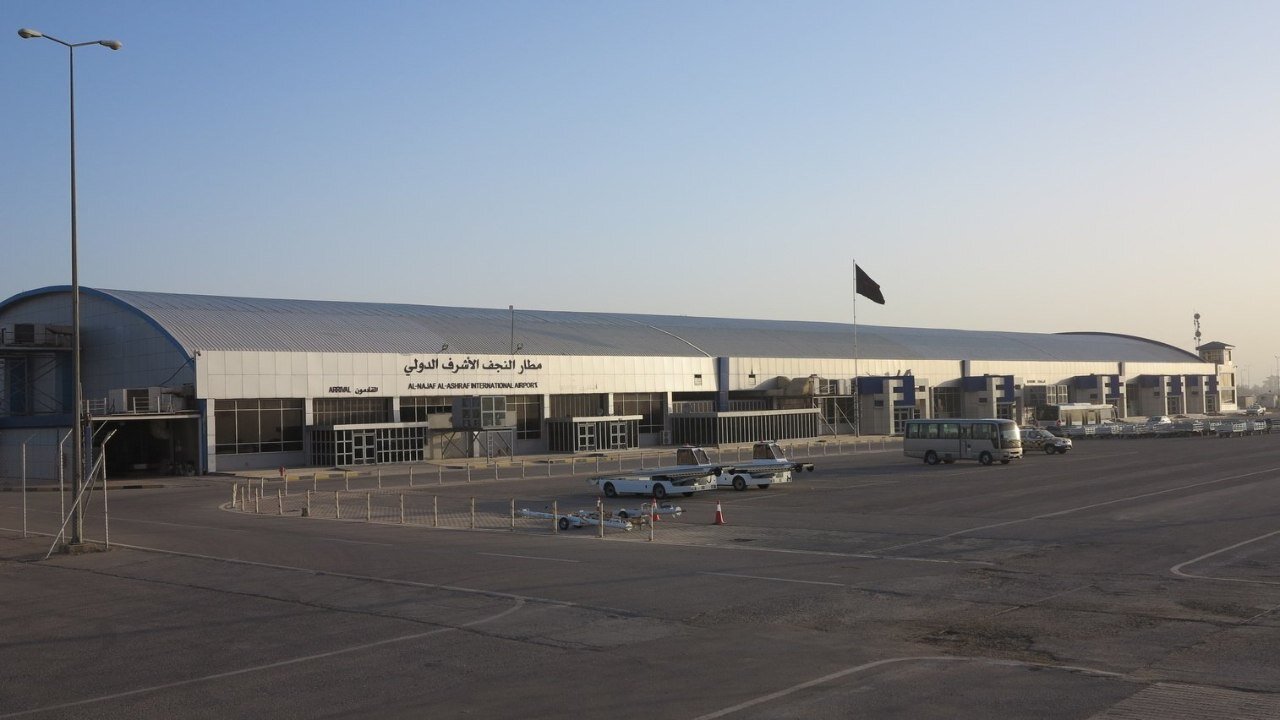
The recent development in air travel between Iraq and Iran marks a significant moment for both countries. Following persistent calls from key political and religious figures, Iraq has successfully negotiated a limited exemption from US sanctions, allowing for a regulated number of flights to and from Najaf International Airport. This move demonstrates the growing pressure from local stakeholders who seek to restore vital travel connections disrupted by international restrictions.
Iraq’s Call for Air Link Restoration
On October 2, the Iraqi government announced an agreement that permits Iranian airlines to operate up to 40 flights daily to and from Najaf, although Mahan Air remains excluded from this arrangement. The announcement comes after extensive talks between Iraqi officials and Washington, which aimed at adjusting US restrictions that have severely impacted airline operations. The restoration of these flights is crucial, as it serves a population that relies heavily on air travel for religious pilgrimage, healthcare, education, and business. Najaf is especially important due to its religious significance to Shia Muslims, making it a pivotal gateway for pilgrims traveling from Iran to Iraq.
Political Reactions and Implications
Iraqi Prime Minister Ali al-Zaidi welcomed the decision, viewing it as a positive outcome of diplomatic efforts aimed at facilitating easier travel for citizens, particularly pilgrims and tourists. In his statements, he emphasized the broader implications of air travel as a form of communication between two culturally intertwined nations. Foreign Minister Fuad Hussein echoed these sentiments, stressing that the resumption of flights aligns with efforts to deepen the Iranian-Iraqi partnership, which is founded on mutual respect and a shared cultural heritage.
However, the exemption is viewed as only a partial success. Prominent Iraqi political figures, including Ammar al-Hakim, have vocally expressed the need for a more comprehensive restoration of air links beyond Najaf. They argue that a limited exemption fails to address the broader concerns affecting Iraq’s international aviation landscape. Al-Hakim’s calls for reopening all airports to Iranian flights reflect ongoing apprehensions regarding the potential for lingering travel restrictions.
Public Backlash and Growing Demand for Sovereignty
In light of the situation, public demonstrations advocating for unrestricted air travel have erupted across Iraq. Citizens from various backgrounds have united to voice their discontent over the sanctions imposed, which have hampered their connections with Iran. Former Prime Minister Adel Abdul Mahdi has criticized these restrictions, emphasizing that Iran should be regarded as an ally and encouraging authorities to support the restoration of travel links.
Resistance groups in Iraq have also joined the chorus, warning that protests will escalate if air travel between the two nations does not resume normal operations soon. The some members of these groups have framed the struggle as one that is not only about travel but also about national sovereignty, seeking to ensure that Iraq’s decisions are free from foreign influence.
A Path Forward: Najaf and Beyond
While the agreement to allow limited flights from Iranian airlines is a step in the right direction, it does not constitute a holistic solution to the challenges at hand. The exclusion of Mahan Air and other restrictions indicates that the broader demand for consistent, comprehensive air connections remains unmet. There exists a palpable concern among Iraqi citizens and officials alike about the future stability and accessibility of travel between the two nations.
As Iraq navigates the complexities of its relationship with the US while trying to maintain cultural and logistical ties with Iran, the necessity for a more robust and inclusive approach to air travel becomes increasingly apparent. The immediate future will require careful diplomacy to ensure both citizens’ needs are met and to uphold Iraq’s sovereignty. Ultimately, the call for reinstating full air links signifies a wider yearning for normalcy and connection in a region that has often faced disruptions.