
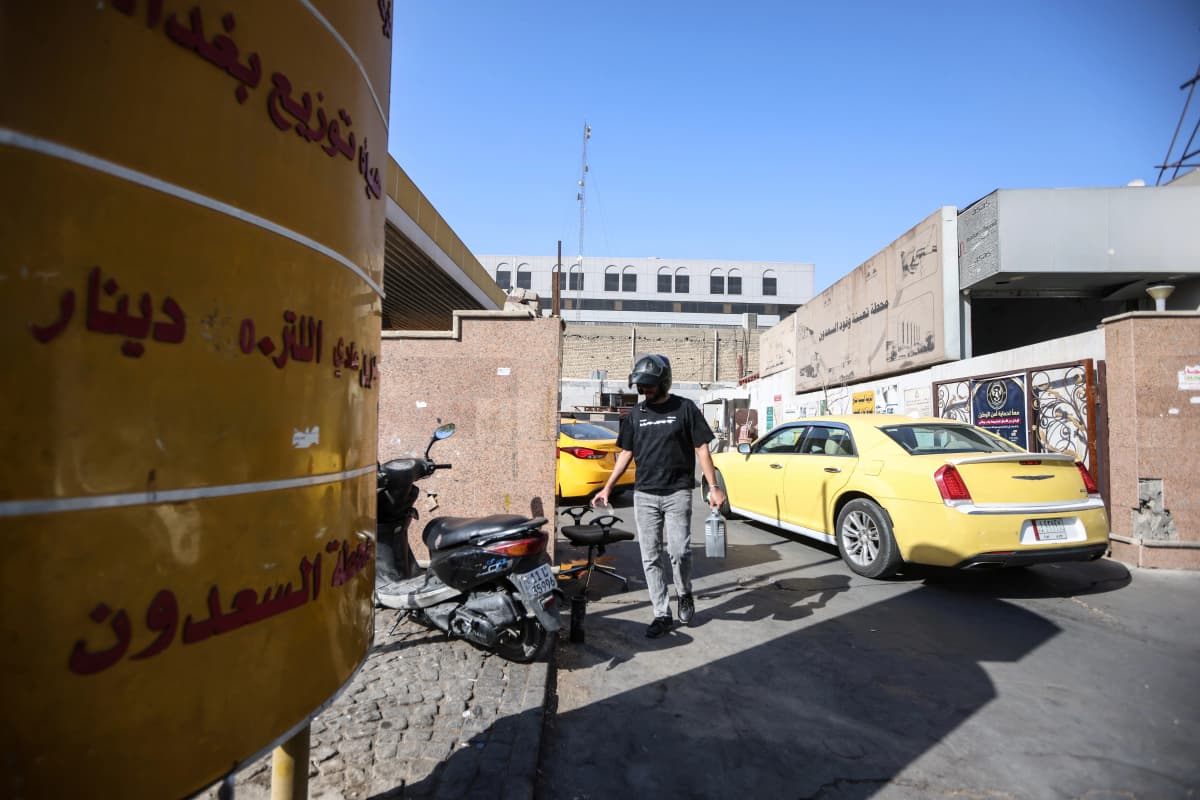
In response to a growing fuel shortage, the Kurdistan Region of Iraq has announced plans to import gasoline from the United Arab Emirates and other neighboring nations. This decision comes as domestic demand for fuel significantly surpasses supply, highlighting the urgent need for alternative solutions.
The Fuel Crisis in Iraq
According to Ali al-Zarkani, a member of the Baghdad Provincial Council, the fuel crisis is primarily caused by a mismatch between refining capacity and the rapidly escalating consumption rates. Baghdad alone reportedly requires between 9 to 12 million liters of fuel each day, while other governorates demand a combined total of 30 million liters daily. This discrepancy has created a stark gap that officials are now striving to address.
Planned Fuel Imports from the UAE
In efforts to mitigate this supply issue, Iraq’s Ministry of Oil is making arrangements to receive shipments of gasoline from neighboring countries, with the UAE being a key supplier. While Zarkani refrained from disclosing the specific volume of imports or the anticipated arrival dates of these shipments, the urgency of the situation indicates a need for immediate action.
Provincial Concerns and Demand Analysis
The provincial authorities have requested comprehensive data regarding supply and demand from the Ministry of Oil, along with an explanation for the shortfalls in domestic fuel production. Recent shortages have led to long queues at gas stations, particularly in Baghdad and Najaf, where some stations have had to limit sales to 40 liters per vehicle.
Impact of the Fuel Shortage
The ongoing crisis has not only disrupted daily life but has also driven motorists to endure hours-long waits to refuel, leading to traffic congestion, especially in Baghdad. As citizens navigate through these disturbances, there is a sense of urgency among officials to stabilize supply and ease public anxiety over fuel availability.
Though the Iraqi government has acknowledged the fuel shortfall, the Ministry of Oil continues to present a narrative of stability, sharing videos of active fueling stations to assuage public fears. However, challenges such as unexpected maintenance at key refineries, compounded by regional conflicts that complicate shipping logistics, cast doubt on the immediate future of fuel availability in the country.
As Iraq grapples with these challenges, fuel imports are seen as a crucial step towards restoring stability and meeting the rising demand for gasoline across the nation.