
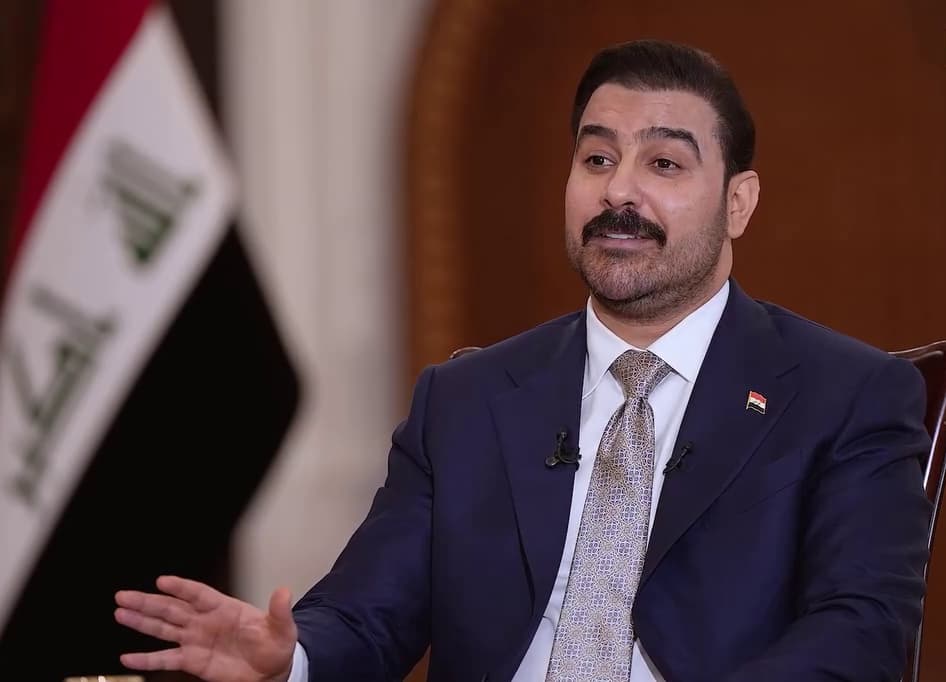
Iraqi Prime Minister Ali al-Zaidi has recently assured that Iraq will soon be free from armed groups operating outside state authority. In a statement made during a conversation with the state-run Iraqi Media Network, Zaidi emphasized his government’s commitment to ensuring that all weapons are regulated and solely held by state security forces by June 30, 2027.
Promising a Centralized Control Over Arms
Zaidi declared that by the specified date, Iraq would resemble other nations that effectively manage weapon distribution and prevent armed factionalism. He stated, “Iraq will soon, God willing, be a state free of factions,” reinforcing his position that the government is on track to regulate arms and combat illicit weapons circulation. His statements come amidst ongoing tensions between the Iraqi government and various powerful, pro-Iran armed factions opposing efforts to bring all arms under governmental control.
The Iraqi government initially set to resolve these issues by September 30, 2026, coinciding with the end of the US-led coalition’s military operations in Iraq. However, this deadline was extended to 2027 due to pushback from various armed factions, many of whom have raised concerns regarding the proposed timeline. They argue that discussions regarding the dismantling of these units and compliance with government regulations have not reached a conclusive agreement.
The Effects of Political Stances on International Relations
As the geopolitical landscape shifts, with the US military formally concluding its Operation Inherent Resolve mission in Iraq, Zaidi has highlighted the importance of national sovereignty. He explained that the absence of foreign military presence negates the justification for carrying weapons outside the sanction of the state. Moreover, he reassured that there are currently no American forces operating within Iraq, further emphasizing the perception of sovereignty.
This promise of disarmament comes at a time when Iraqi factions remain divided over compliance with state directives. While some factions have extended conditional support for arms control frameworks, others categorically refuse to comply, presenting significant challenges to the government’s agenda.
Zaidi has acknowledged the complex dynamics these factions create, stressing the necessity to engage in intense dialogue to address differing viewpoints and foster a unified approach toward arms control. This delicate balance is crucial to restoring trust among various stakeholders, particularly when armed groups, like Kataib Hezbollah, publicly resist governmental authority.
Economic Measures and Future Strategies
Besides security, Zaidi’s administration is also grappling with economic issues, defending recent fiscal decisions amidst growing economic pressures. The government’s adjustment of the national currency exchange rate aims to stabilize public finances impacted by various disruptions, including oil export challenges.
The prime minister pointed out that the government is committed to diversifying state revenues beyond oil dependency, which currently accounts for over 88% of total income. He plans to enhance non-oil revenue streams drastically over the remainder of the administration. Keeping these economic activities robust is critical for Iraq’s overall stability.
In conclusion, Zaidi’s government is in the midst of an ambitious effort to unify and secure Iraq, focusing on both arms control and economic diversification. As discussions continue and challenges persist, the path forward will depend on the government’s ability to engage differing factions and implement effective policies that strengthen national stability.