
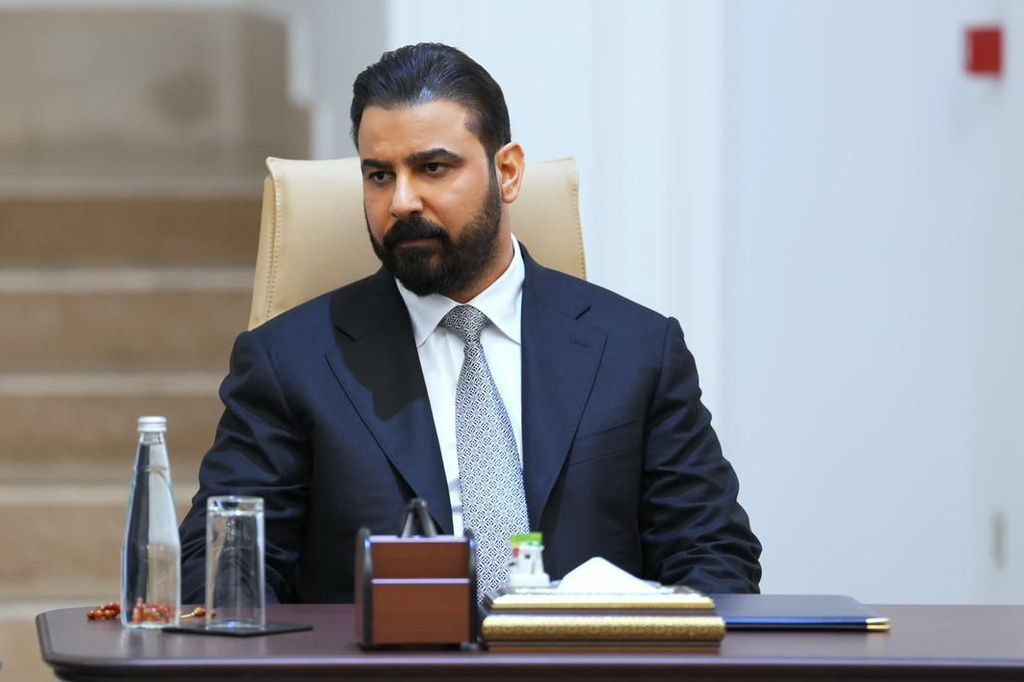
Iraq is navigating a complex diplomatic landscape as it seeks to strengthen its relationships with both Iran and the United States amid escalating military tensions between the two nations. A significant focus is on finalizing oil and gas agreements, which will play a crucial role in enhancing economic, trade, and investment partnerships.
Strengthening US-Iraq Relations Amid Regional Tensions
In a recent opinion piece for The Washington Post, Iraqi Prime Minister al-Zaidi indicated that his administration has made noteworthy strides in disarming armed groups and incorporating some of their members into government institutions. His remarks highlight a commitment to ensuring that the state maintains its exclusive authority over the use of force. With the conclusion of the US-led Coalition mission to eradicate ISIS by September 30, al-Zaidi views this moment as an opportunity to initiate a “new phase of ambitious partnership” between Baghdad and Washington, aiming to fortify bilateral relations.
During an upcoming visit, al-Zaidi is expected to engage with US President Donald Trump to discuss various areas of cooperation, including infrastructure development, energy solutions, manufacturing, technology, and advancements in the digital economy. Central to these discussions will be the enhancement of the US-Iraq Strategic Framework Agreement, which aims to bolster Iraq’s security capabilities and overall stability.
Preparatory Meetings Strengthening Iraq’s Position
In anticipation of this pivotal visit, members of Iraq’s State Administration Coalition convened in Baghdad. Discussions centered on maximizing the strategic potential of the upcoming meetings in Washington to safeguard Iraq’s national interests. The coalition members expressed unanimous support for the government’s ongoing anti-corruption initiatives, emphasizing the necessity for investigations to remain lawful, while also promoting transparency and accountability in governance.
Prime Minister al-Zaidi also provided a briefing to the Shiite Coordination Framework, which is the predominant bloc in Iraq’s parliament. According to Amer al-Fayez, a member of the bloc, al-Zaidi is set to advocate for Iraq’s national interests and is committed to adhering to established principles that govern Iraq’s policy direction. This commitment underscores Iraq’s intent to present a unified front during the international engagement.
Implications for the Future of Iraq
The upcoming meetings represent more than just a diplomatic endeavor; they signal a transformative period for Iraq as it asserts its sovereignty in a geopolitically challenging environment. By actively engaging with both the US and Iran, Iraq aims to cultivate a balanced approach that serves its own national interests while also addressing the broader dynamics affecting the region.
The outcome of these discussions could have lasting implications, not just for Iraq, but for the entire Middle Eastern geopolitical landscape. As Iraq strives to integrate its economic ambitions with security and political stability, it remains essential for all involved to navigate these complex relationships carefully. Ultimately, the goal is to foster a collaborative environment where Iraq can thrive independently, respected by both its neighbors and global partners.
In summary, al-Zaidi’s visit to the United States signifies a pivotal moment for Iraq as it seeks to forge meaningful partnerships while maintaining careful diplomatic balance amid regional rivalries. This engagement with the US could pave the way for crucial economic advancements and greater regional stability.