
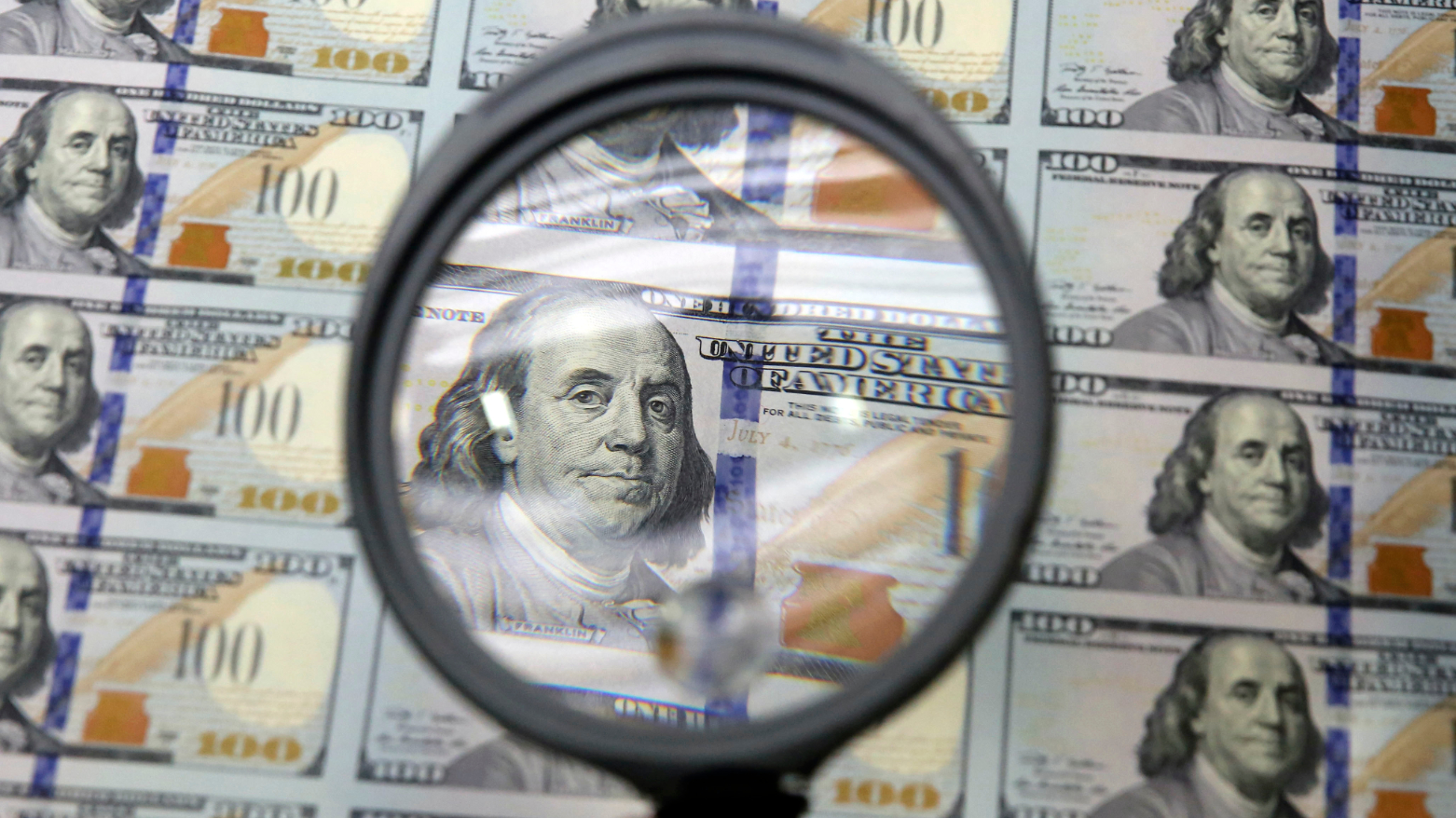
Iraq’s financial landscape continues to be a focal point of tension, particularly in relation to the United States and Iran-aligned armed groups. Recent discussions have centered around claims that Washington might suspend dollar shipments to Iraq if these groups fail to disarm by September 30. However, a senior adviser to the Iraqi Prime Minister has refuted these reports, igniting debate over U.S.-Iraq financial relations.
Denying the Threat of Dollar Suspension
Mazhar Mohammed Saleh, who advises Iraqi Prime Minister Ali al-Zaidi, has dismissed claims that the U.S. plans to halt dollar shipments unless armed groups surrender their weapons. He characterized these assertions as “rumors” without any factual grounding. Saleh emphasized that the U.S. government had not formally communicated any such measures to Iraq. He expressed uncertainty regarding the origins of these reports, which have caused considerable speculation about the future of U.S.-Iraq financial dealings.
Saleh’s statements mark a significant official denial of narratives suggesting that the U.S. has linked Iraq’s access to dollar liquidity directly to the disarmament of armed factions. This declaration stands in stark contrast to assertions made by two Iraqi government sources. They informed Kurdistan24 that the Trump administration had delivered a warning during al-Zaidi’s visit to Washington, suggesting that a suspension of dollar transfers could occur should these armed groups fail to comply with disarmament by the stated deadline.
The Framework of U.S.-Iraq Relations
The financial adviser pointed out that U.S.-Iraq relations remain governed by the 2008 Strategic Framework Agreement, which establishes a foundation for multiple areas of cooperation. The assertion that armed groups’ disarmament could directly affect dollar transfers adds complexity to this relationship, which has been characterized by both cooperation and tension.
While Jamal Kochar, a member of Iraq’s Finance Committee, suggested that sanctions could be imposed on Iraq’s banking sector if armed factions persist with destabilizing actions, he clarified that this was not an announcement of an existing order. Instead, it was a potential outcome contingent on future developments. It is essential to recognize this distinction, as U.S. influence over Iraq’s financial system is significant but does not necessarily imply a current ultimatum regarding dollar shipments.
The Broader Implications of U.S. Oversight
U.S. authorities have sustained considerable control over dollar flows into Iraq, primarily due to the structure of the Iraqi financial system and the longstanding oversight implemented by American institutions. Although this oversight has led to periodic tightening of dollar transfers, particularly in response to concerns over the diversion of U.S. currency to sanctioned entities, it has yet to manifest in an official cutoff of dollar shipments as reported by some sources.
The stakes surrounding the availability of U.S. dollars in Iraq cannot be understated. A cutoff could significantly impact the nation’s import financing, currency stability, and exchange rates, underscoring the sensitivity of such discussions. Despite the contentious nature of these claims, no official statements from the U.S. confirm a specific ultimatum for disarmament linked to dollar shipments.
In conclusion, the conflicting narratives surrounding the alleged U.S. ultimatum illustrate the intricate and often volatile dynamics of U.S.-Iraq relations. While reports have emerged suggesting a linkage between dollar transfers and the disarmament of armed groups, the official denial by Saleh raises questions about the veracity of such claims. As discussions continue, it remains crucial to monitor how these financial and political factors evolve and influence Iraq’s stability and international relations.