
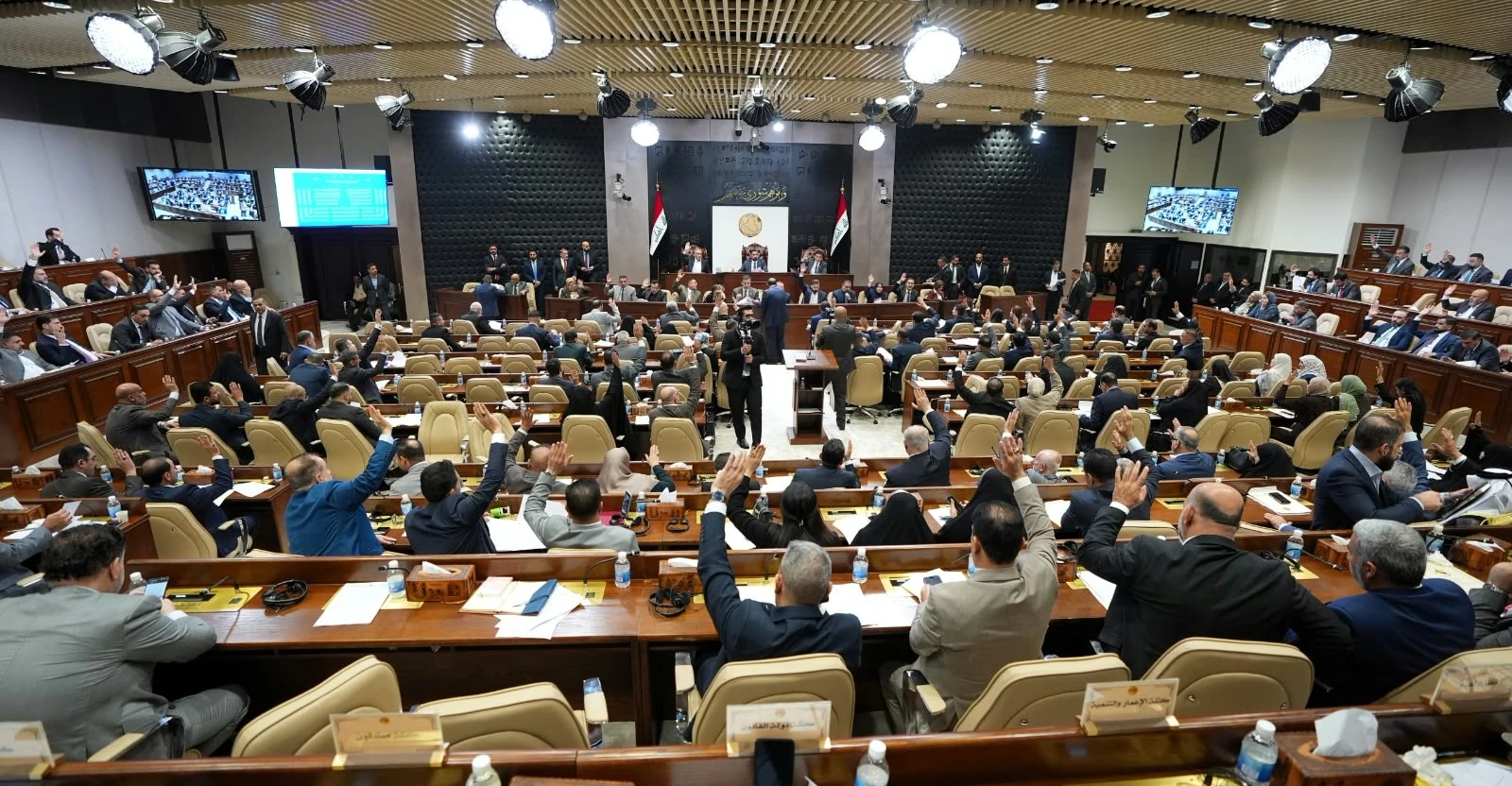
Prime Minister Ali Al-Zaidi’s government is in the midst of a significant reshuffle, with several candidates being considered for vacant ministerial positions. Parliament is scheduled to vote on these nominations soon, following a session proposed by the Prime Minister. This political maneuvering comes at a crucial time for the government as it seeks to stabilize its leadership and respond to pressing issues.
The Rising Candidates for Ministerial Roles
Among the contenders, Safaa Al-Kinani, who enjoys support from the National Wisdom Movement (Al-Hikma), has been nominated for the role of Minister of Youth and Sports. In a notable development, Mohammed Sahib Al-Darraji, affiliated with the Services (Khadamat) Alliance, is under consideration for an innovative portfolio related to artificial intelligence. Moreover, Ali Al-Dakhili has emerged as a consensus pick for the Tourism Ministry, reflecting ongoing political negotiations within the government.
Other political blocs are also putting forth their candidates. The Sadiqoon bloc has proposed Mohammed Al-Moussawi as Minister of Labor and Social Affairs, while the State of Law Coalition has nominated Yasser Al-Maliki for the Interior Ministry and Haider Bahaa for the Ministry of Higher Education and Scientific Research. These nominations highlight a collective effort to address various sectors crucial for national development.
Political Dynamics Among Ethnic Groups
The Kurdistan Democratic Party (KDP) has nominated Rebaz Hamlan for the Ministry of Construction and Housing. This suggests an engagement of diverse political forces in shaping the cabinet. Among Sunni political factions, discussions are underway regarding several key positions, including Mohammed Tamim for Deputy Prime Minister. This particular nomination has ignited political debates due to its implications on Sunni representation in governance.
Additionally, candidates such as Nayef Al-Shammari for Defense Minister, Mohammed Ali Al-Nuaimi for Planning Minister, and Zaid Ali for Culture Minister are also being considered by Sunni representatives. This broad array of nominations signals the importance of inclusive governance in Iraq’s political landscape.
Potential Changes Before the Parliamentary Vote
As the scheduled parliamentary vote approaches, it is important to note that the candidate list may still evolve. Ongoing negotiations regarding various ministries and senior positions could influence the final outcomes. Stakeholders are diligently working toward consensus, as achieving political stability is paramount for the Al-Zaidi government.
This reshuffling of government roles is particularly critical amidst ongoing economic challenges and public dissatisfaction, necessitating a responsive and functional administration. The outcome of these nominations could potentially pave the way for more robust governance, enabling the Iraqi government to address both current issues and future aspirations.
In conclusion, the current political scene is dynamic, with numerous candidates vying for critical ministerial roles, reflecting a blend of ambitions and demands that characterize Iraq’s multifaceted political environment. As the parliamentary vote nears, all eyes are on how the final list will take shape and what it means for the nation moving forward.